
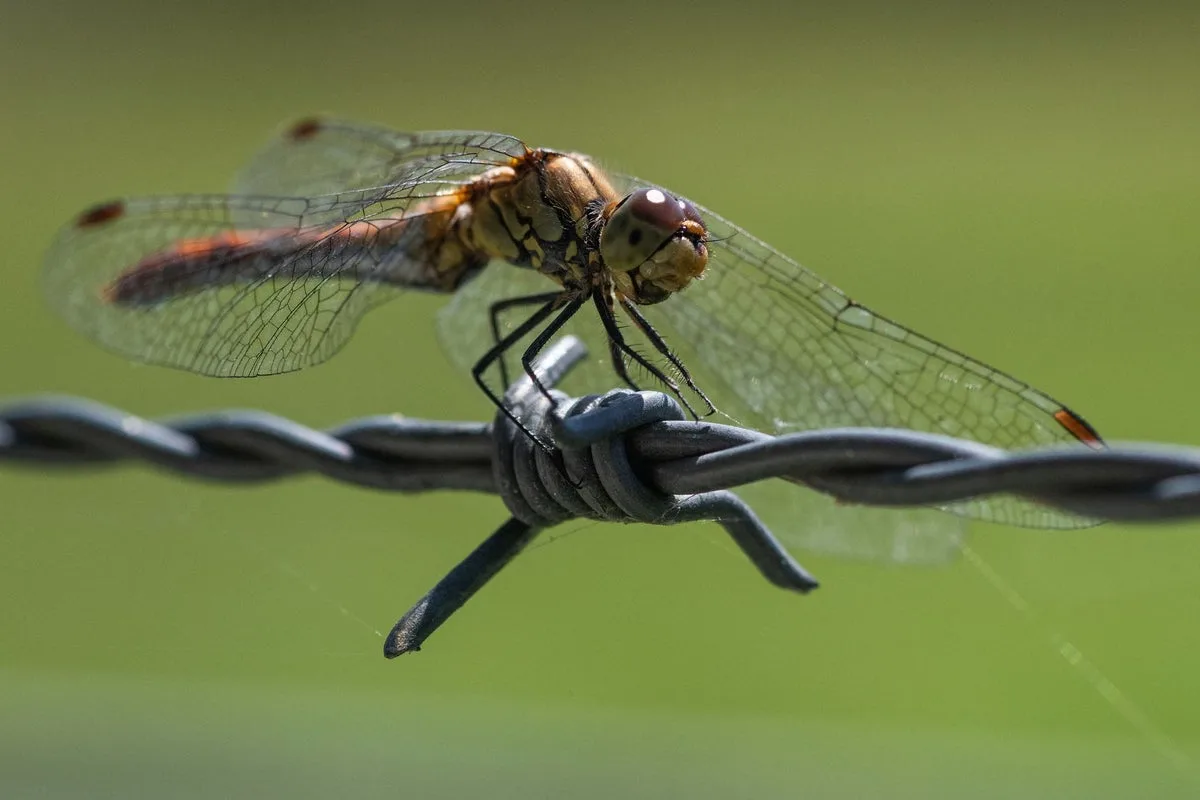
About one-third of India's known dragonfly and damselfly species may have gone extinct due to rapid urbanisation, a first-of-its-kind survey has revealed. The two-year study in the Western Ghats, a biodiversity hotspot, found that only 65 per cent of historically recorded species were detected.
Researchers from the Maharashtra Institute of Technology-World Peace University surveyed odonates across freshwater habitats between February 2021 and March 2023. They recorded 143 species, including 40 endemic to the region, but this represents a potential 35 per cent loss of species.
Dragonflies and damselflies are considered 'indicator taxa' due to their sensitivity to environmental changes. Their absence reflects the ecological health of water bodies, scientists say. The likely extinctions point to deeper ecological stress in the Western Ghats.
Threats include infrastructure development, hydropower projects, pollution, land-use changes, unregulated tourism, forest fires, and climate change. Invasive species are also exacerbating declines in freshwater animals.
The findings come amid a global trend of insect population decline of 1–2 per cent annually, with 40 per cent or more of species threatened with extinction. Ecologist Pankaj Koparde, an author of the report, said the survey indicates 'a plausible loss of species and habitats'.




