







Entertainment
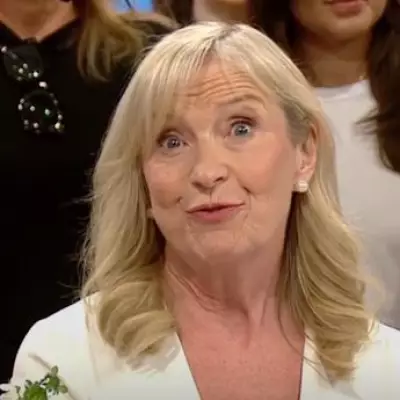
Carol Kirkwood's Emotional Farewell on BBC Breakfast, Welcomes Matt Taylor
Carol Kirkwood fought back tears during her final BBC Breakfast appearance, receiving tributes and addressing her replacement Matt Taylor as she closed a 28-year chapter.





Politics

BBC Removes Scott Mills Shows After Dismissal Over Conduct Allegations
BBC iPlayer and Spotify have removed Scott Mills' programmes following his dismissal over personal conduct allegations, including police questioning in 2018 for serious sexual offences.


Sports

Spain Manager De La Fuente Condemns Anti-Muslim Chants by Fans
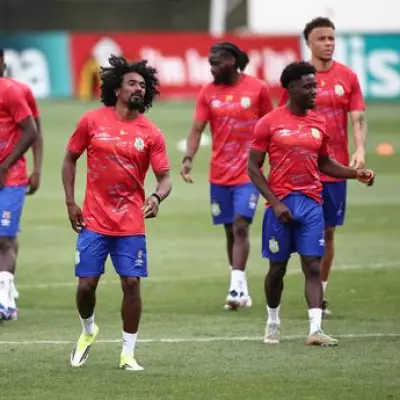
Spain's football coach Luis de la Fuente has denounced xenophobic chants from fans during a friendly against Egypt, calling them intolerable ahead of the World Cup.



Crime

Teen Shot Twice by Police During Welfare Check After Allegedly Pulling Knife
A 19-year-old man is in critical condition after being shot twice by police during a welfare check in Brisbane, with the incident witnessed by his mother and now under investigation.







Health





Weather
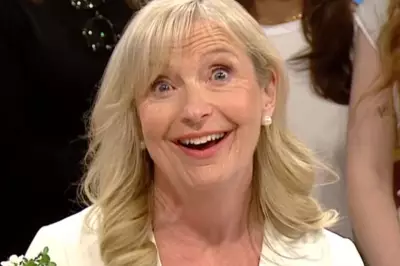
Carol Kirkwood Retires from BBC After 28-Year Weather Career
BBC Breakfast weather presenter Carol Kirkwood delivered an emotional final broadcast after nearly three decades, receiving tributes from celebrities including Bryan Adams and Keir Starmer.

Easter Bank Holiday Weather: Yellow Wind Warnings Issued
The Met Office has issued yellow weather warnings for wind across the UK this Easter bank holiday weekend, potentially disrupting outdoor plans and travel.
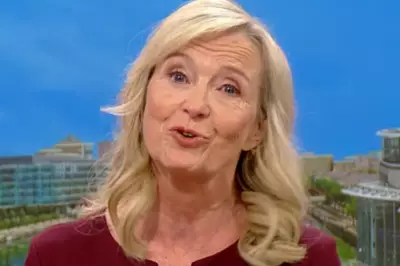
Carol Kirkwood Delivers Final BBC Forecast After 30 Years
Carol Kirkwood, the beloved BBC Breakfast weather presenter, has given her last forecast after nearly 30 years with the BBC. The 63-year-old announced her departure earlier this year, describing it as 'the right moment to step away'.
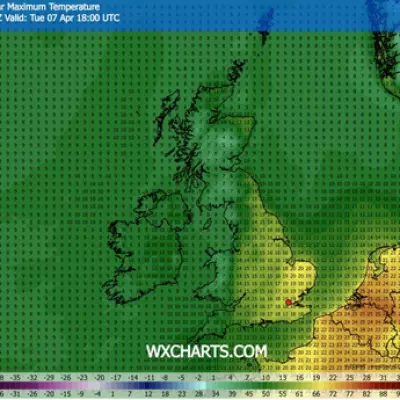
UK 20C Heatwave to Surpass Greece and Turkey Temperatures
Weather maps indicate a significant warm spell across the UK next week, with 11 regions forecast to exceed temperatures in Greece and Turkey, peaking at 20C.

Japan Warns of Ongoing Large Earthquake Risk After Tokyo Tremor
Japan's meteorological agency warns of potential aftershocks following a magnitude-5 earthquake near Tokyo, urging residents to remain vigilant for about a week.
Tuesday Test: Can You Answer These UK Sports Questions?
Test your knowledge of British sports with our Tuesday quiz featuring 100 questions about football, cricket, and rugby. Perfect for sports enthusiasts and trivia lovers.
