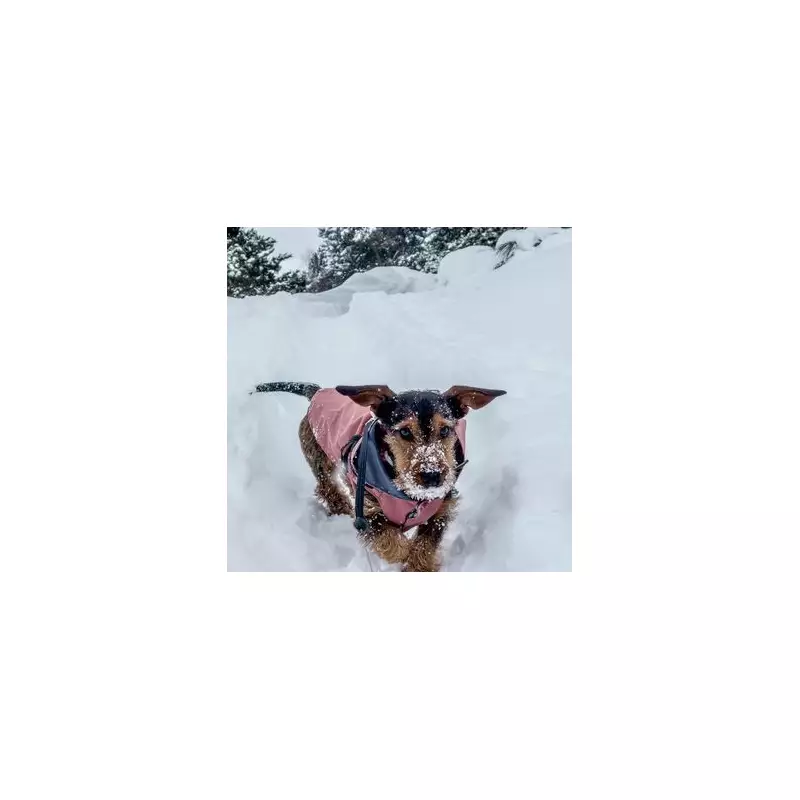
As Storm Goretti batters the UK, bringing temperatures as low as -12C and widespread snow and ice alerts, dog owners are being urged to prioritise their pet's safety. The extreme conditions pose a significant risk to our canine companions, making it crucial to recognise when a walk is doing more harm than good.
How Cold Is Too Cold For Your Dog?
According to canine expert Lorna Winter, co-founder of the Zigzag dog training app, a dog's tolerance for the cold varies dramatically. "Most healthy adult dogs are fine to walk normally until around 0C," she explains. However, she highlights that owners of smaller breeds, puppies, senior dogs, or leaner animals need to be extra vigilant, as their pets will feel the chill much sooner.
Winter offers a simple rule of thumb for owners: "If you feel cold quickly, your dog most likely will too." She strongly advises keeping walks brief once the mercury dips below freezing, recommending several short outings throughout the day instead of one prolonged walk, particularly after sunset.

The Eight Critical Warning Signs
So, how can you tell if your dog is becoming dangerously cold during your winter walk? Lorna Winter outlines eight clear behavioural and physical indicators that signal it's time to head home immediately.
Firstly, feel your dog's ears. If they are cold to the touch, your pet is already feeling the chill. Visible shivering or a stiff, hunched posture are also major red flags. Owners should watch for dogs who curl their body up tightly, tuck their tail, or start lifting their paws off the ground, hopping from foot to foot.
Behavioural changes are equally telling. A dog that suddenly slows its pace, begins to whine, or persistently tries to turn back towards home is communicating discomfort. "It's a good sign that you should cut your walk short," Winter states.
Protecting Paws and Planning Safe Walks
A dog's paws are especially vulnerable in freezing weather, with risks ranging from extreme cold to numbness. Winter advises owners to look for persistent paw lifting, excessive licking, or a refusal to walk on surfaces that normally wouldn't cause an issue.
For dogs known to be sensitive, she suggests considering protective measures like paw balm or boots. The core advice remains consistent: if your dog shows any sign of paw irritation or chill, end the walk.
The overarching guidance from experts during this severe cold snap is to stay observant and err on the side of caution. "Always watch your dog's body language and cut the walk short if they seem uncomfortable," Winter concludes. She also warns against long periods standing still outdoors, advising owners to keep their pets moving gently if they must be outside in the harsh conditions brought by Storm Goretti.