Colombia's Minister Urges Middle East Crisis to Accelerate Global Energy Transition
Colombia Minister: Middle East Crisis Must Speed Energy Transition

Colombia's Environment Minister Calls for Accelerated Energy Transition Amid Global Crises

Colombia's environment minister has declared that global crises, including the ongoing conflict in the Middle East, should serve as a catalyst to accelerate the world's transition away from fossil fuels. This statement comes despite the complex geopolitical tensions that currently complicate international energy policies.

Summit Aims to Advance Fossil Fuel Phaseout Debate

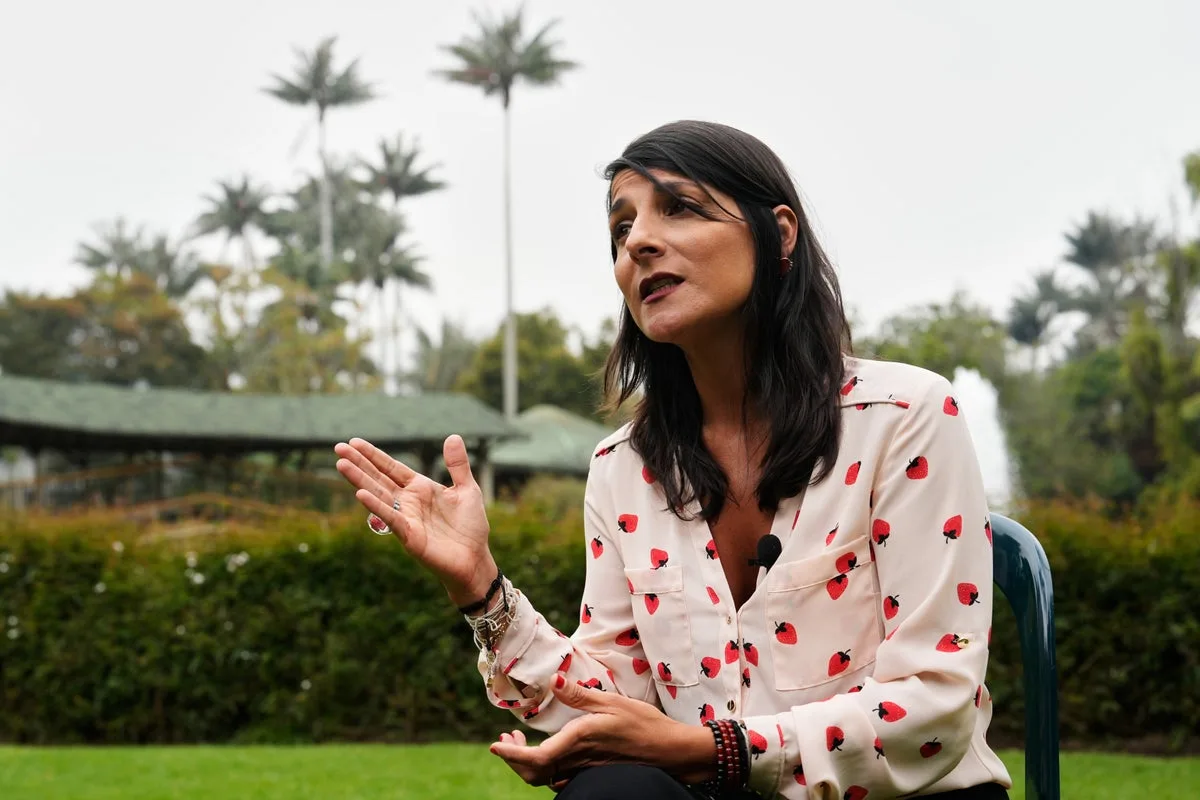
Ahead of crucial talks involving approximately fifty nations regarding the move away from polluting fuels such as oil and gas, Colombia's Environment Minister Irene Vélez Torres emphasized that the war in Iran highlights the urgent necessity for a rapid shift toward clean energy alternatives. In an exclusive interview with The Associated Press on Thursday, Vélez Torres pointed to the instability in global energy markets as a compelling reason to expedite the transition from traditional energy sources.

"The war in the Middle East has triggered a global crisis," she stated, adding that such turmoil should accelerate rather than delay efforts to adopt cleaner energy solutions. "In this case, I believe the movement should be toward radicalizing the green agenda and the transitions."

Wide Pickt banner — collaborative shopping lists app for Telegram, phone mockup with grocery list

These remarks precede a major international summit on fossil fuels, co-hosted by Colombia and the Netherlands, scheduled for April 24–29 in the Caribbean city of Santa Marta. The summit will focus on strategies to move beyond fossil fuels, a topic that has historically faced significant challenges in formal international negotiations.

Colombia's Dual Role: Oil Producer and Climate Advocate

Colombia occupies a unique position as one of Latin America's leading oil producers, with crude exports constituting a substantial portion of government revenue and foreign income. Simultaneously, the nation is home to approximately 6% of the Amazon rainforest, a critical ecosystem for global climate regulation. This creates inherent tension between economic dependence on fossil fuels and ambitious climate goals.

Under President Gustavo Petro's administration, Colombia has committed to halting new oil exploration and advocating for a global phaseout of fossil fuels, positioning itself at the forefront of climate diplomacy. Vélez highlighted that Colombia has increased its share of renewable energy sources, excluding large hydropower, from about 1% to 16% of the electricity mix during the current government's tenure.

Geopolitical Instability Shapes Energy Transition Dynamics

The Santa Marta summit occurs against a backdrop of heightened geopolitical instability, particularly conflicts involving Iran that have disrupted global energy markets and raised concerns over oil supply through the Strait of Hormuz. Such tensions have driven oil prices higher and pressured governments to secure energy supplies, with some nations considering expanded fossil fuel production in the short term despite long-term climate commitments.

Notably, the United States, under President Donald Trump, has retreated from international climate efforts, focusing instead on expanding oil production. Trump has frequently dismissed climate change as a hoax and criticized the energy transition, contrasting sharply with Colombia's stance under President Petro.

Key points of divergence include:

  • Colombia's pledge to halt new oil exploration contracts.
  • The U.S. emphasis on increased drilling under the slogan "drill, baby, drill."
  • Recent public clashes between Petro and Trump over trade and counternarcotics policy, reflecting broader differences in climate and energy priorities.

Additionally, Saudi Arabia, a major oil exporter, will not attend the summit. Vélez noted that while Colombia has engaged with Saudi officials in past U.N. climate talks, the country maintains "very clear oil interests" and shows little current interest in phasing out fossil fuels.

Pickt after-article banner — collaborative shopping lists app with family illustration

Looking Ahead: Implications for Global Climate Negotiations

The Santa Marta meeting, though outside the formal U.N. climate talks, is expected to inform upcoming negotiations, including COP31 in Turkey later this year. Vélez clarified that the summit aims to create a "political space" for open debate on fossil fuel phaseout rather than securing binding commitments from participating countries.

This approach acknowledges the challenges of three decades of U.N. climate negotiations, which have struggled to achieve widespread agreement on moving away from oil, gas, and coal. The lack of consensus has partly motivated Colombia's initiative to host this independent forum.

As the world grapples with the dual pressures of geopolitical conflicts and climate change, Colombia's call for an accelerated energy transition underscores the growing urgency to address fossil fuel dependency in an increasingly unstable global landscape.




