
Australians are enduring one of the most brutal summers on record, with a punishing heatwave and raging wildfires drawing comparisons to the devastating ‘black summer’ of 2019-20. In the first week of January, south-eastern Australia experienced its worst heatwave since that catastrophic season, with temperatures reaching 41°C in Melbourne and 43°C in Adelaide. In the opal-mining town of Andamooka, the mercury hit 50°C – only the eighth time such a temperature has been recorded anywhere in the country.
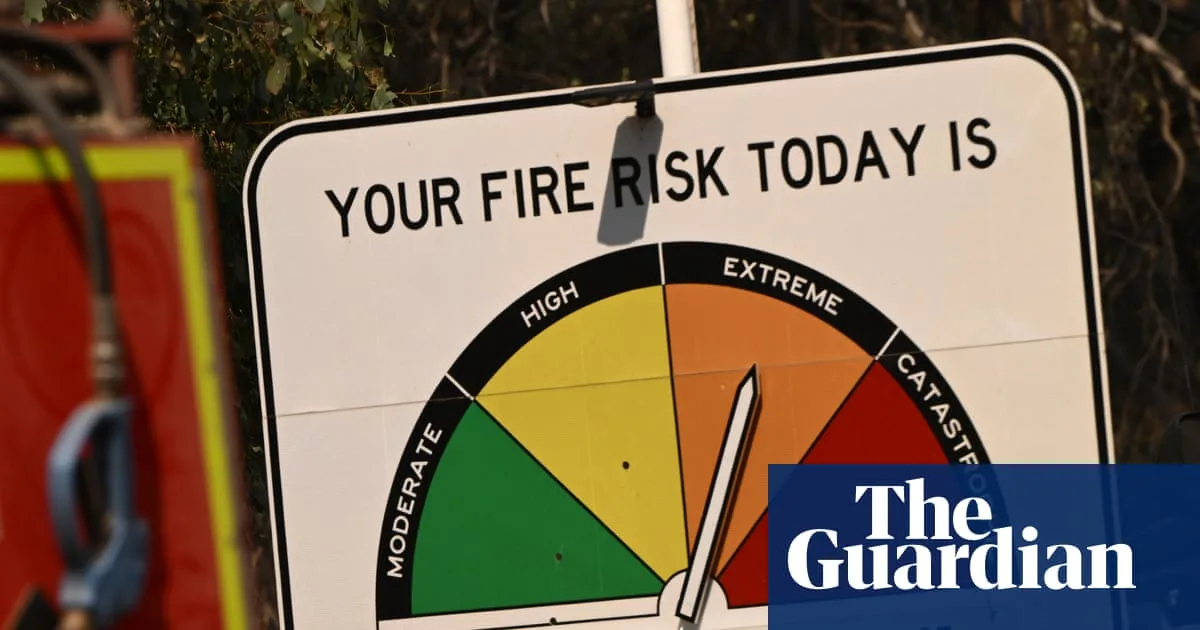
The hot, dry conditions fueled nearly 200 fires in Victoria on 9 January, in what officials rated as ‘catastrophic’ fire danger. Some blazes burned for more than a month before being contained, destroying over 900 structures and scorching 435,000 hectares of land. Volunteer firefighters in the towns of Longwood and Harcourt lost their own homes while battling the flames.
Climate scientists have determined that the extreme heatwave was made five times more likely by greenhouse gas emissions, with temperatures breaking all-time state records in Victoria at 48.9°C. The oppressive conditions have been described as ‘apocalyptic’ by residents, with extreme heat now the leading cause of weather-related hospitalisations in Australia, killing more people than all other natural hazards combined.
Wildlife has also suffered, with thousands of flying foxes dropping dead in the heat and koalas seeking water from humans as their usual moisture sources dried up. Some plant species are feared extinct. The insurance industry has estimated that fires, floods, heatwaves and storms have resulted in about £833 million in insured losses this summer so far.
Despite the escalating extremes, the Australian government continues to back fossil fuel projects. While the electricity grid has coped better thanks to progress in transitioning away from coal, experts warn that such summers will become more frequent and severe as global heating intensifies.




