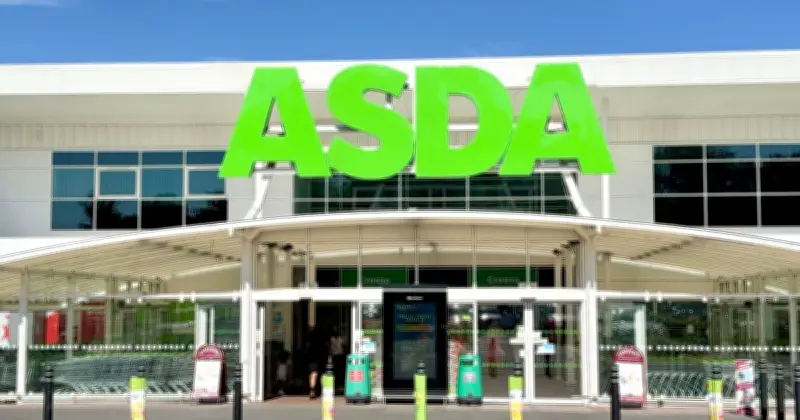
Asda has introduced electronic shelf-edge labels displaying allergen and ingredient information across 142 Asda Express stores, a move aimed at making shopping safer for customers. The change, which began this week, applies to the chain's loose bakery range, comprising 20 products that previously lacked packaged ingredient lists.
Details of the Rollout
The new labels are part of Asda's compliance with Natasha's Law, which came into effect in October 2021. The law requires all foods made and packaged on-site—such as salads, cakes, and sandwiches—to display full ingredient lists, with the top 14 allergens highlighted. The Natasha's Foundation has praised the move as 'closing a dangerous loophole in food safety.'
Tom Clark, Asda's retail operations manager, announced the launch on LinkedIn, stating: 'I have a proud moment to share. Today marks the successful launch of Natasha’s Law allergen and calorie information for bakery products on Vusion electronic shelf-edge labels across over 140 Asda Express stores. This is a significant step forward in making food information clearer, more accessible, and compliant for our customers; helping them make informed and safe choices every day.'
Background and Impact
Natasha Ednan-Laperouse died aged 15 in 2016 after eating a Pret a Manger baguette containing sesame seeds, which were not listed on the product. Her death led to the creation of Natasha's Law, which came into effect in October 2021. The law mandates that all pre-packed for direct sale (PPDS) foods must have a full ingredients list and allergen labelling.
Asda's electronic labels do not require scanning a QR code; information is displayed directly. An Asda spokesperson said: 'Our electronic shelf-edge labels help us to quickly and easily display important product information for our customers. Customers can quickly view ingredient and allergen information for bakery items. This will help them make informed choices and improve the shopping experience while also supporting our compliance with the requirements of Natasha’s Law.'
Future Implications
The rollout is currently limited to Asda Express stores with loose bakery sections, but it could set a precedent for other supermarkets. By digitising allergen information, Asda aims to reduce the risk of allergic reactions and improve transparency for shoppers. The move also aligns with broader trends in retail technology, where electronic labels are increasingly used for dynamic pricing and product information.