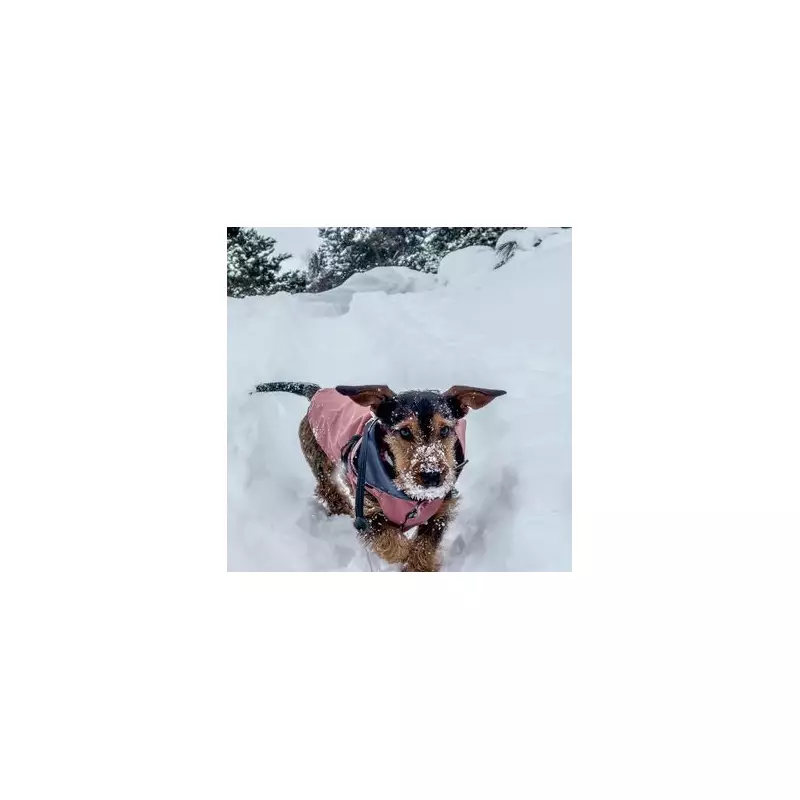
As the UK endures a severe cold snap with temperatures plummeting to a bitter -12C, dog owners are being urged to stay vigilant for signs their pets are suffering during walks. The warnings come as Storm Goretti continues to batter the nation, with active snow and ice alerts across the country.
How Cold Is Too Cold For Your Dog?
Canine expert Lorna Winter, co-founder of the popular Zigzag dog training app, has issued crucial advice for keeping pets safe. She emphasises that a dog's tolerance to freezing conditions heavily depends on its breed and physical condition.
"Most healthy adult dogs are fine to walk normally until around 0C," Winter explains. However, she highlights that owners of smaller breeds, puppies, senior dogs, or leaner animals must be extra cautious, as their pets will feel the cold much sooner.

A simple rule of thumb, according to Winter, is: "if you feel cold quickly, your dog most likely will too." She recommends keeping walks brief once the mercury dips below freezing, suggesting several short outings throughout the day are safer than one prolonged walk, especially after sunset.
The 8 Critical Warning Signs Your Dog Is Too Cold
Winter details several clear behavioural and physical indicators that signal a dog is becoming dangerously chilled and the walk should be cut short immediately.
- Cold Ears: If your dog's ears feel cold to the touch, it's a strong sign they are already feeling the chill.
- Shivering or Stiffness: Visible shivering or holding their body stiffly is a classic sign of being too cold.
- Curling Up or Tucking Tail: Dogs will often curl their body tightly or tuck their tail in an attempt to conserve heat.
- Lifting Paws or Hopping: Lifting paws off the ground or hopping from foot to foot indicates discomfort from the cold surface.
- Slowing Down or Whining: A noticeable reduction in pace, whining, or attempting to turn back towards home are clear pleas to end the walk.
- Paw Licking: Excessive licking of paws during or after a walk can signal they are numb or irritated by the cold.
- Refusing to Walk on Certain Surfaces: Hesitation or refusal to walk on surfaces they normally wouldn't mind suggests paw sensitivity.
- Seeking Shelter: Continuously trying to find shelter or hide behind you demonstrates a desire to escape the conditions.
Protecting Paws and Prioritising Safety
Winter stresses that a dog's paws are particularly vulnerable, much like human feet, and can become numb in extreme cold. "It's always best to avoid long periods of standing still outdoors," she advises, recommending owners keep their dogs moving gently.
For dogs known to be sensitive, she suggests considering protective measures like paw balm or boots. The overriding message is to constantly monitor your pet's body language. "Always watch your dog's body language and cut the walk short if they seem uncomfortable," Winter concludes. The priority is ensuring man's best friend stays safe and healthy as Storm Goretti's icy grip holds the UK.