
The summer of 2026 has been marked by successive heatwaves, with schools closed, transport disrupted, and health warnings issued. However, fifty years ago, the UK faced an even more severe challenge: the long hot summer of 1976, which still holds British heatwave records.
Record-Breaking Heat and Drought
In 1976, children rode bikes on dry river beds, forests and mountains burned, reservoirs dried up, and water supplies were cut off amid genuine fears of running out. The River Thames was so low that people could walk across it in London. It was the second driest summer since records began, but the searing heat is what it's most remembered for.
Cheltenham experienced temperatures exceeding 32°C for seven consecutive days, while Bedfordshire and Heathrow saw 16 consecutive days above 30°C from June 23 to July 8.
2026 Heatwave Comparisons
The summer of 2026 has already broken its own records, including eight days with temperatures exceeding 34°C (beating 1976's record) and the first year in the UK to see 35°C or higher in May, June, and July. This has led to multiple health alerts, including a severe "red" level from the UK Health Security Agency (UKHSA), prompting school closures.
While some criticise school closures today, schools did close in 1976 due to water shortages. In July 1976, the Welsh National Water Development Authority announced that 400,000 people would have their water supply cut off at night. Bans were imposed on washing cars, watering flower beds, tennis courts, bowling greens, and golf courses. Rain eventually returned, but water rationing continued in some areas until November.
Impact of the 1976 Drought
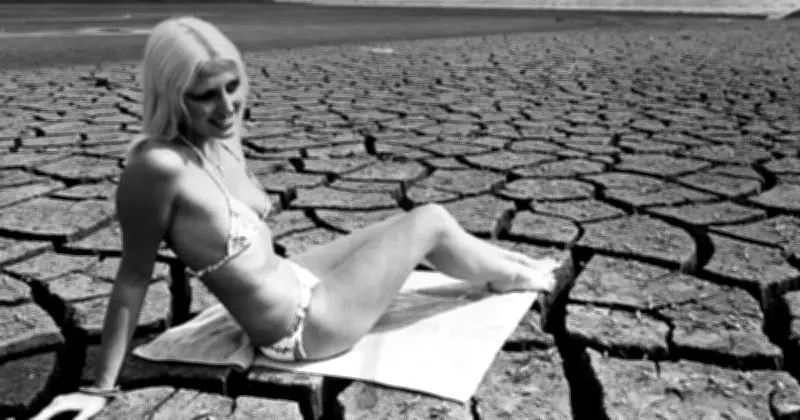
The heat and drought were so severe that entire reservoirs dried up. Nineteen-year-old Cerica was photographed sitting in the dried-up basin of Pitsford Reservoir in Northamptonshire. Water levels in the River Thames were incredibly low, with a boat stranded at low tide at Strand-on-the-Green in Chiswick, west London. It was reported as the worst drought for 250 years, with a view of the dry bed of Pontsticill Reservoir in south Wales capturing the crisis.
Despite the hardships, beaches were packed. Coney Beach at Porthcawl saw crowds enjoying donkey rides and days spent by the sea. Public fountains became swimming pools as people sought relief from the heat.




