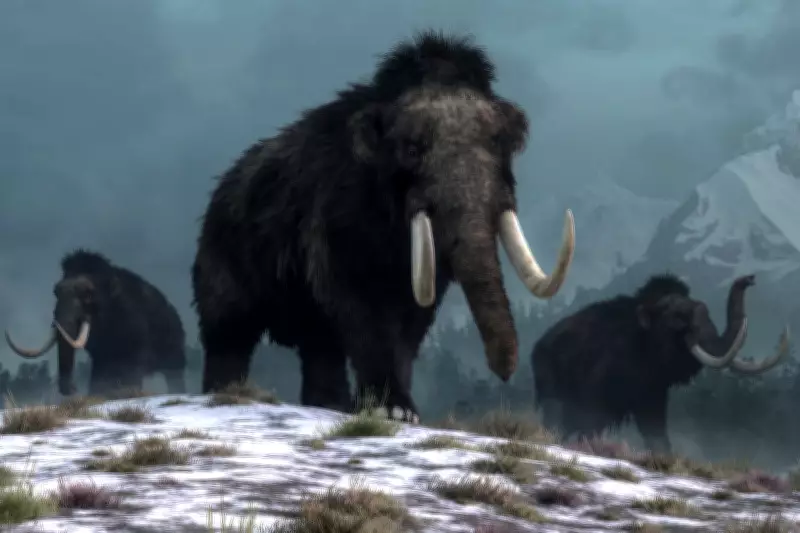
New research suggests that the severity of ancient megafauna extinctions continues to influence food webs in some parts of the world today. The study, published in PNAS, analysed predator-prey relationships across 389 sites in the Americas, Africa, and Asia, involving 440 mammal species.
Lasting Impact of Ice Age Extinctions
Researchers found that food webs in the Americas currently have fewer, smaller prey and narrower predator-prey trait ranges compared to Africa and Asia. This difference is attributed to the Americas experiencing a more severe loss of megafauna, with over three-quarters of mammals weighing over 100 pounds disappearing in the last 50,000 years.
Understanding these long-term impacts of past extinctions can help scientists predict the future consequences of current biodiversity loss, as nearly half of all mammals over 20 pounds are now vulnerable or endangered.

What This Means for Modern Conservation
The study highlights that extinction events can have cascading effects that last tens of thousands of years. The loss of large herbivores like the woolly mammoth and giant sloths altered vegetation patterns, which in turn affected predator populations and the entire ecosystem structure.
Today, with many large mammals facing similar threats, researchers warn that current biodiversity loss could trigger comparable long-term disruptions to food webs worldwide.