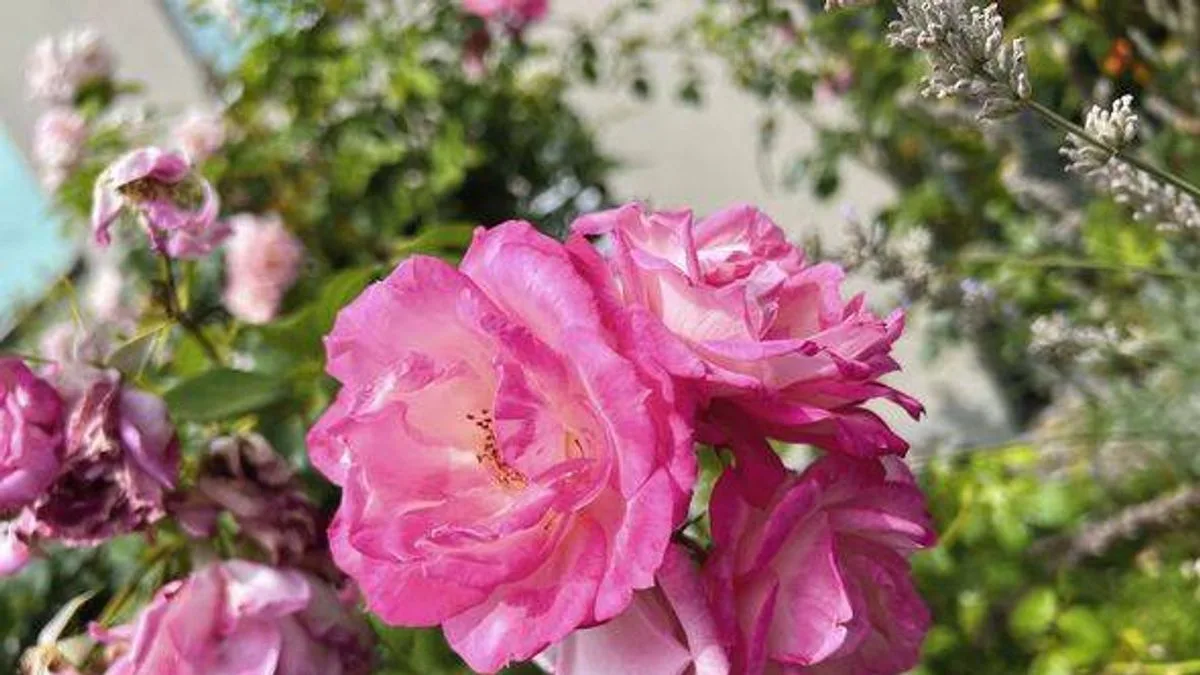
Gardeners are being urged to inspect their rose bushes this winter for signs of black spot disease, a fungal infection that can severely weaken plants and prevent flowering. Louis Hooft, a horticultural specialist and founder of Moowy, warned that the condition is the "most common and troublesome" affliction for roses.
Black spot appears as circular black marks on leaves, which can merge and cause foliage to yellow and drop. While not directly fatal, the disease leaves roses vulnerable to other pests and winter cold. Hooft emphasised early detection and swift action to curb its rapid spread.
The fungus thrives in damp conditions, making winter a high-risk period. The most effective prevention is applying mulch, which acts as a barrier against spores in the soil. Hooft recommended using well-rotted compost, shredded bark, wood chips, pine needles, straw or hay, but warned against using fallen rose leaves or rotting wood, which can harbour the disease.
Gardeners should also avoid adding infected plant matter to compost heaps, instead disposing of it in the bin. With proper mulching, roses can remain healthy and produce blooms come spring and summer.