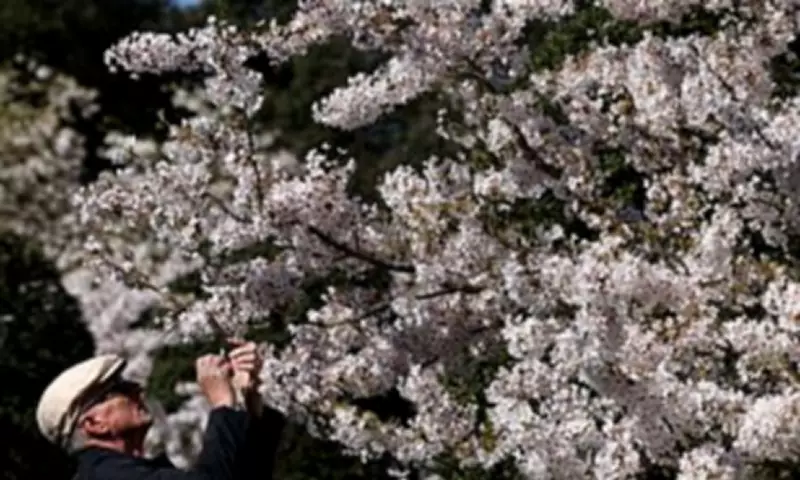
Unusual UK Weather Creates Perfect Conditions for Extended Cherry Blossom Displays
The recent erratic weather patterns across the United Kingdom have left many Britons feeling disoriented, but horticultural experts reveal that these fluctuations have serendipitously created the 'ideal' environment for cherry blossoms. February marked one of the wettest months on record, with rainfall exceeding the norm by 23 per cent. This was swiftly followed by a dramatic temperature surge, peaking at 20.9°C in parts of the UK last Wednesday, which accelerated flower budding.
Cooler Days Prolong Blooming Period
While this week has seen a return to cooler, cloudier conditions, this shift is now expected to help extend the blossom displays rather than hinder them. Dave Bouch, Head Gardener at Cotehele in Cornwall, commented, 'Last week's warmer days were a short, welcome change! But now temperatures have dropped back to 10-12 degrees here, with chilly nights. This will slow the progress of blossom, meaning we can enjoy it for a bit longer.'
As the spring equinox passes, blossom has begun sweeping across the nation, from the south-west to the northernmost regions of Scotland. Sheila Das, the National Trust's Head of Gardens and Parks, noted, 'Spring can be fickle. What we need now are stable days – no high winds or sharp frosts that could damage tender seedlings and blossom – and steady spring temperatures to help the plants get growing for the season ahead.'

Weather Crucial for Blossom Survival
The appearance of blossom is just the beginning; subsequent weather conditions will be critical for its longevity. Adam Carveth, Head Gardener for the Heart of Cornwall Portfolio, explained, 'Cherry blossom is susceptible to wind, and magnolia blossom can be scorched, so what's needed now is a period of calm weather. Sometimes we do get an April storm, but I hope we're going into a more settled period now when the blossom can really shine.'
Beyond cherry blossoms, the warm, wet weather has also prompted early tulip blooms, typically not expected until after Easter. Piers Horry, Garden & Outdoors Manager, observed, 'Wild cherries are bringing flashes of pink and white to the landscape now and full flowering is imminent, a few weeks early.' Looking ahead, he anticipates apple espaliers and perry orchards flowering in May, though a second flush of blossom is unlikely due to stress from last year's extended dry spells. 'Our Easter will be very colourful,' he added.
UK's Most Endangered Plants Highlighted
Amidst the blossom news, attention turns to the UK's most endangered plants, underscoring the fragility of native flora. Key species at risk include:
- Ghost Orchid: Critically endangered, last seen in 2009 in Herefordshire, it grows underground and rarely surfaces.
- Red Helleborine: Critically endangered, found in southern England with deep pink flowers, threatened by pollinator decline.
- Spreading Bellflower: Endangered, limited to 37 locations in the UK, affected by changes in woodland management.
- Crested Cow-wheat: Endangered, grows in East Anglia, competing with other plants for insects.
- Cotswold Pennycress: Vulnerable and near-threatened, found in the Cotswolds, declining due to agricultural practices.
- Lady Orchid: Critical status, with stunning pink flowers in Kent and Oxfordshire, growing on woodland edges.
- Meadow Clary: Vulnerable and near-threatened, declining since the 1950s due to reduced grazing.
- One-flowered Wintergreen: Vulnerable and near-threatened, grows in damp pine forests in north-east Scotland.
- Twinflower: Status unknown, a relic from the ice age found in Scotland, affected by woodland changes.
- Lesser Butterfly-orchid: Vulnerable and near-threatened, lost from 75 per cent of English countryside, sensitive to fertilisers.
- Yellow Birds-nest: Status unknown, declining since 1930 due to habitat changes and overgrazing.
These species, as documented by Plantlife UK, highlight the ongoing challenges in plant conservation amidst changing environmental conditions.