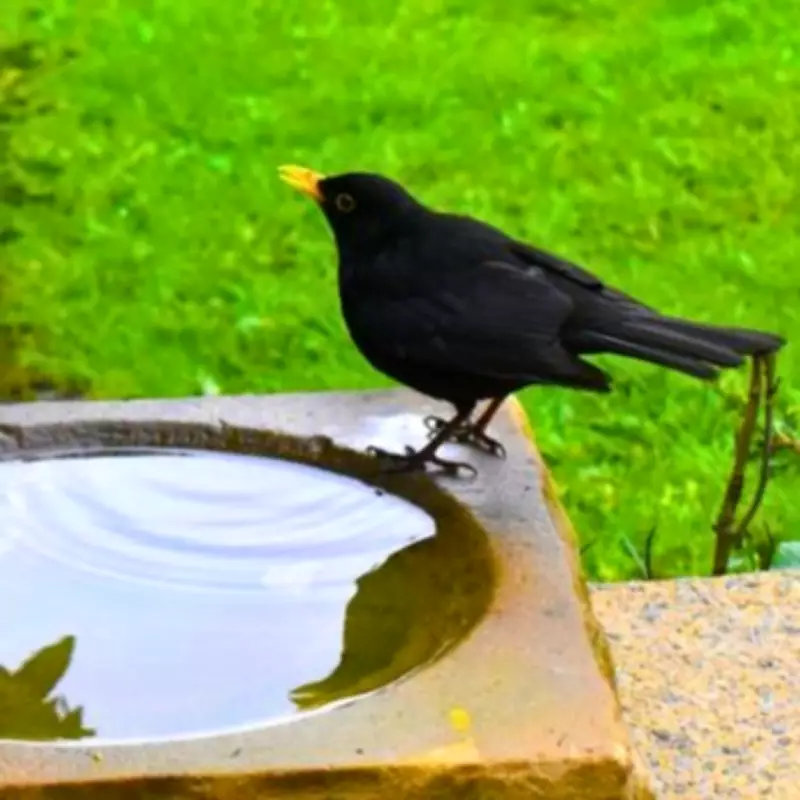
Birdbaths Pose Hidden Danger to Bees During Spring and Summer
Installing a birdbath in your garden is widely regarded as a thoughtful act to support local bird populations by providing essential hydration. However, many gardeners remain unaware that these same birdbaths can inadvertently become death traps for other vital wildlife, particularly bees. As temperatures climb in spring and summer, bees are naturally drawn to water sources, and birdbaths often prove perilous due to their design.
The Risk of Drowning for Bees in Standard Birdbaths
Birdbaths are typically designed with birds in mind, featuring smooth, slippery surfaces and relatively deep water. While birds can paddle safely, bees struggle to perch securely on these surfaces. It is extremely common for bees to lose their footing and drown in the water, leading to tragic losses for local bee colonies. Beyond the immediate fatality, deceased bees can contaminate the water, posing health risks to birds that drink from the same source, potentially causing illness or even death.
A Simple Solution: Using Wine Corks as Bee Lifesavers
Gena Murray, a seasoned gardener and founder of Gigi's Garden Tips, has highlighted a straightforward and effective method to mitigate this risk. She advises gardeners to simply place wine corks in their birdbaths. These corks float on the water's surface and provide a stable, textured landing spot for bees, allowing them to drink safely without the danger of drowning. Murray explains, "Simply put corks in your bird bath to give bees a safe place to land and drink without drowning. It's a great way to reuse those wine corks!"

The texture of wine corks offers excellent grip, preventing bees from slipping into the water. Essentially, each cork acts as a miniature raft, making it easier for bees to access water and encouraging them to visit gardens for pollination during the critical spring season.
Enhancing Safety with Multiple Landing Spots
During peak seasons, gardens can host hundreds of bees, meaning a single cork may not be sufficient. To ensure adequate access, it is far more effective to scatter several corks throughout the birdbath. Murray emphasises, "Adding more than one cork is important and necessary because they naturally float together, forming a small raft. This creates a larger, more stable surface for bees to land on, making it safer."
Alternative Methods for Bee Protection
For those who do not have wine corks available, other materials can serve the same purpose. Small twigs and pebbles placed in the birdbath can provide secure perches, as long as they remain above the waterline and are stable. Additionally, opting for a shallow birdbath or installing a dedicated bee bath in the garden are excellent alternatives to safeguard bees throughout the warmer months.
By adopting these simple practices, gardeners can enjoy the benefits of a bird-friendly garden while also protecting essential pollinators, ensuring a healthier ecosystem for all local wildlife.