Claudia Ignacio Álvarez grew up in San Andrés Tziróndaro, a Purépecha community on the shores of Lake Pátzcuaro in Michoacán, Mexico. Her childhood was shaped by water, forests and traditional music. But that way of life is now under threat as land is extracted for profit.
Michoacán is a leading export state for avocados and berries, mostly sent to the US and some to Europe, including the UK. Álvarez says behind the healthy image lies land dispossession, environmental destruction and violence. Agribusiness companies rent communal land, install pipes to extract water from Lake Pátzcuaro for plantations, and set forest fires to clear land for avocado orchards.
During last year's severe drought, the lake nearly dried up. Fish disappeared, and the fishing community could no longer eat its traditional food. Communities defending their land face threats, killings and disappearances. In San Juan Huitzontla, Eustacio Alcalá Díaz was murdered and José Gabriel Pelayo forcibly disappeared while opposing mining and steel projects. Both cases remain unresolved.
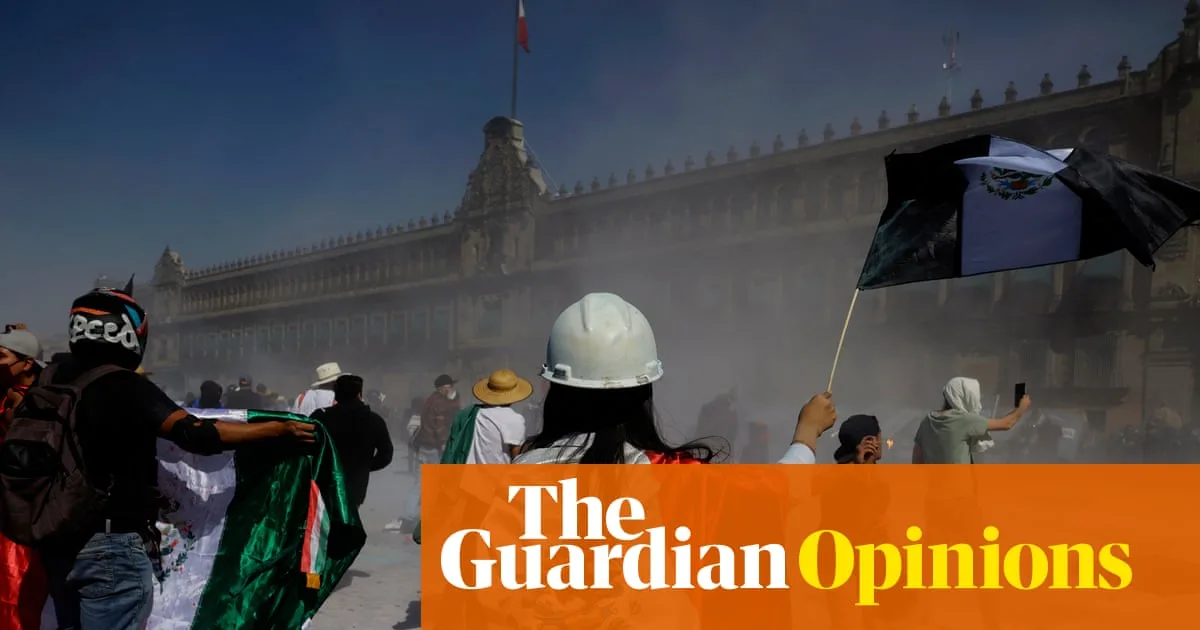
Álvarez describes an incident where a police officer blocked her during a peaceful demonstration. She says the context has grown more tense after the killing of Carlos Manzo, mayor of Uruapan, in November. At least three mayors have been murdered this year, creating widespread fear. According to Global Witness, at least 36 defenders were attacked in Mexico between 2023 and 2024, most of them Indigenous.
Álvarez now lives in forced displacement, returning to her community only briefly. She says protection comes not from the state but from community networks and international accompaniment. The emotional toll is collective, with perpetrators trying to fragment resistance and corrode hope. She argues that responsibility lies not only with Mexico but also with the US and European markets that sustain this model.