UK Food Security in Crisis: Expert Calls for Urgent Stockpiling
A prominent food policy expert has issued a stark warning that the United Kingdom must begin stockpiling food immediately to prepare for potential climate shocks or wars, highlighting the nation's alarming vulnerability due to low self-sufficiency.
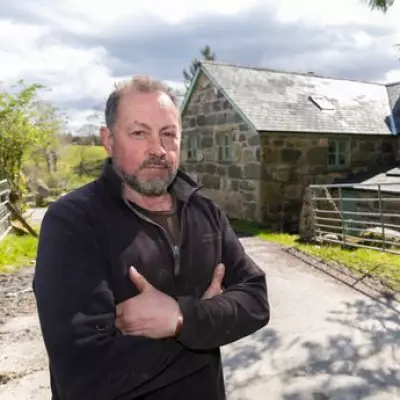
Professor Tim Lang of City, University of London, emphasised that the UK produces far less food than required to feed its population. As a small island reliant on a handful of large corporations, the country is exceptionally susceptible to disruptions.
Alarming Self-Sufficiency Statistics
The first UK Food Security Report in December 2021 revealed that the country is only 54% food self-sufficient. In contrast, other wealthy nations like the United States, France, and Australia achieve full self-sufficiency, meaning they can sustain their populations without imports if necessary.

Within Europe, the UK ranks among the least self-sufficient countries. For instance, the densely populated Netherlands maintains an 80% self-sufficiency rate, while Spain stands at 75%.
Systemic Vulnerabilities and Lack of Preparedness
Professor Lang criticised the British state for its ingrained reliance on external food sources, stating that this mindset is deeply embedded in both government systems and agrifood capitalism. He noted that other nations are wiser, with countries like Switzerland maintaining emergency stockpiles sufficient to feed their entire population for three months and planning to extend this to a year. In stark contrast, the UK government merely advises households to keep three days' worth of food.
The government has explicitly refused to set targets for improving food production. Environment Secretary Emma Reynolds declined to specify a percentage goal, instead vaguely advocating for increased domestic production in areas like horticulture and poultry.
Concentration Risks and Potential for Social Unrest
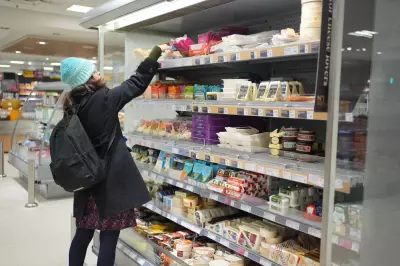
Lang's report for the National Preparedness Commission, published last year, uncovered extreme vulnerabilities in the UK's food system due to its concentration among a few large companies. With just 131 distribution centres supplying 12,284 supermarkets, and nine major retailers accounting for 94.5% of all retail food, the infrastructure is a prime target for drone or cyber-attacks by hostile states.
Experts have warned that even a minor supply gap could trigger social unrest or food riots, as chronic issues have left the system a tinderbox. For example, Tesco, which provides nearly a third of UK retail food, operates through only 20 distribution centres, making disruptions potentially catastrophic.
Impact of Brexit and Climate Change
Brexit has exacerbated these vulnerabilities by reducing subsidies for farmers and complicating imports from the EU, the UK's largest trading partner. Analysis from the University of Sussex shows that agrifood imports from the EU fell by an average of 8.71% annually over three years post-Brexit compared to the pre-Brexit period.
Climate breakdown further threatens food security, as extreme weather in southern Europe and north Africa hampers fruit and vegetable production. The UK Health Security Agency projects that by 2050, over half of legumes and nearly half of fruit could be imported from climate-vulnerable countries, potentially falling short of dietary needs. This was already evident in 2023 when bad weather caused salad and vegetable shortages across the UK.
Calls for Legislative Action and Domestic Production
Professor Lang advocates for a Food Security and Resilience Act to mandate a more secure and flexible food system, shifting away from a profit-driven, just-in-time model. He argues that the primary purpose of food systems should be to feed people reliably, especially during shocks.
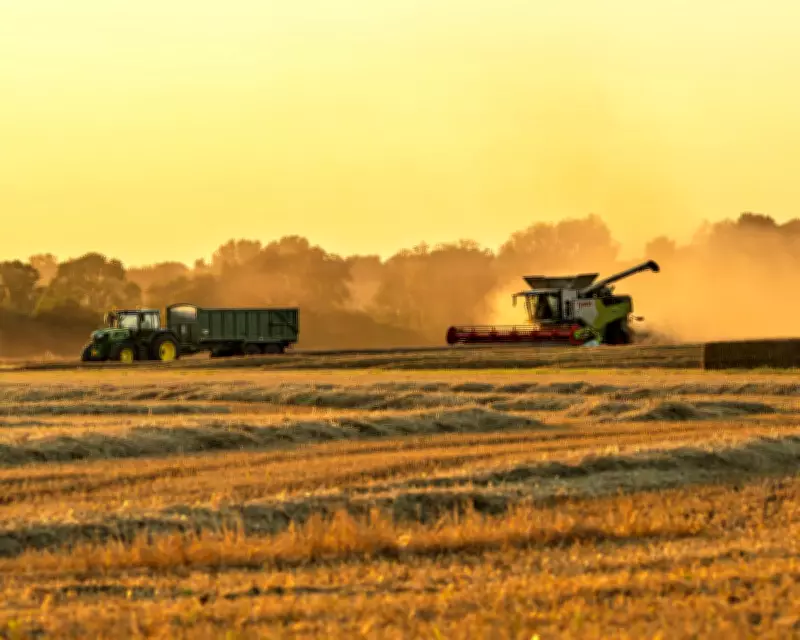
He also urges boosting domestic food production, not out of nationalism, but to utilise the UK's good land, people, and resources effectively. Lang lamented the lack of leadership from central government, calling the current land use a crazy misuse.

In summary, the UK faces a critical food security crisis, with low self-sufficiency, concentrated supply chains, and inadequate preparedness posing severe risks. Immediate action, including stockpiling and systemic reforms, is essential to safeguard against future shocks.