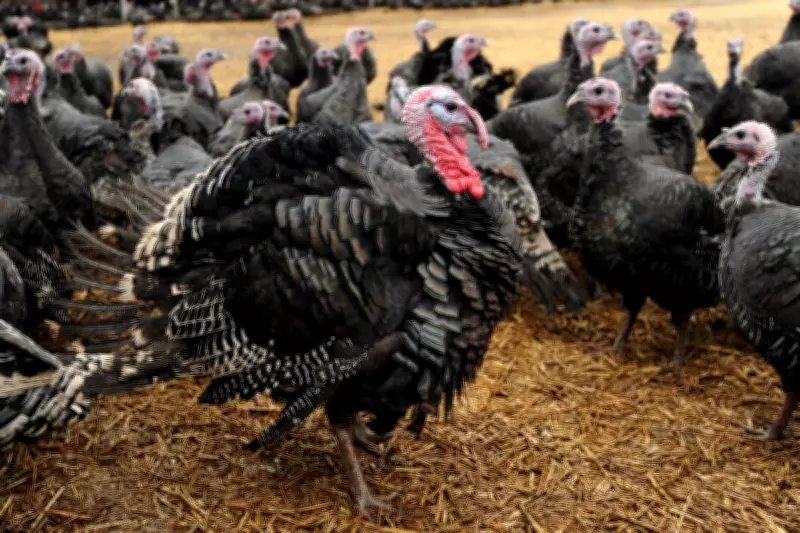
Britain has initiated a landmark targeted trial for vaccinating turkeys against bird flu, representing a significant policy shift in combating a disease that has devastated flocks and prompted international action to mitigate losses.
Major Financial Impact of Avian Influenza
The Department for Environment, Food and Rural Affairs (DEFRA) estimates that bird flu outbreaks have imposed annual costs of up to £174 million on both the British government and the poultry industry. This substantial financial burden has accelerated the search for effective control measures beyond traditional culling protocols.
Why Turkeys Are the Focus
Turkeys were specifically selected for these pioneering trials due to their exceptional vulnerability to the virus. Outbreaks frequently result in severe mortality rates within turkey flocks, making them a critical priority for intervention. The 24-week trial will rigorously evaluate the efficacy of authorised vaccines under real-world farming conditions.

Global Context and Export Concerns
Historically, major poultry-producing nations have been hesitant to adopt vaccination strategies. Primary concerns include the potential for vaccines to mask viral circulation and the risk of trade restrictions from importing countries wary of vaccinated poultry. However, this landscape is evolving.
France has been vaccinating farm ducks nationwide since 2023, becoming the first major poultry exporter to implement such a programme and reporting success in disease control. The Netherlands and the United States are also conducting their own vaccine trials, with the US specifically examining potential impacts on poultry export markets.
Surveillance and Trade Protection
A key component of the UK trial involves assessing how enhanced surveillance mechanisms can operate alongside vaccination to ensure continued disease monitoring and protect vital trade relationships. DEFRA emphasised that maintaining export market access remains a paramount consideration.
Escalating European Outbreak Situation
The trial commences against a backdrop of severe avian influenza pressure across Europe. Late last year, the continent experienced an unprecedented and early surge in cases, largely driven by extensive outbreaks in wild bird populations.
The European Food Safety Authority (EFSA) reports that this highly pathogenic strain has already necessitated the culling of hundreds of millions of farmed birds globally. This has disrupted food supply chains and contributed to rising prices, notably affecting turkey costs this year. Human infections, however, remain rare.
Changing Seasonal Patterns
While outbreaks traditionally peak during autumn migration, the most recent season witnessed an alarmingly early onset, causing significant mortality among wild birds. Poultry outbreak numbers in Europe were comparable to previous high years but were five times higher than in 2023 and nearly double those recorded in 2021, with turkeys being the most severely impacted species.
The pervasive spread of highly pathogenic avian influenza continues to be a major concern for governments and the industry alike, given its capacity to decimate flocks, inflate consumer food prices, and pose a latent pandemic risk. The UK's vaccine trial marks a proactive step toward a more sustainable long-term management strategy for this persistent threat.