UK Launches Major Bird Flu Vaccination Programme for Turkeys
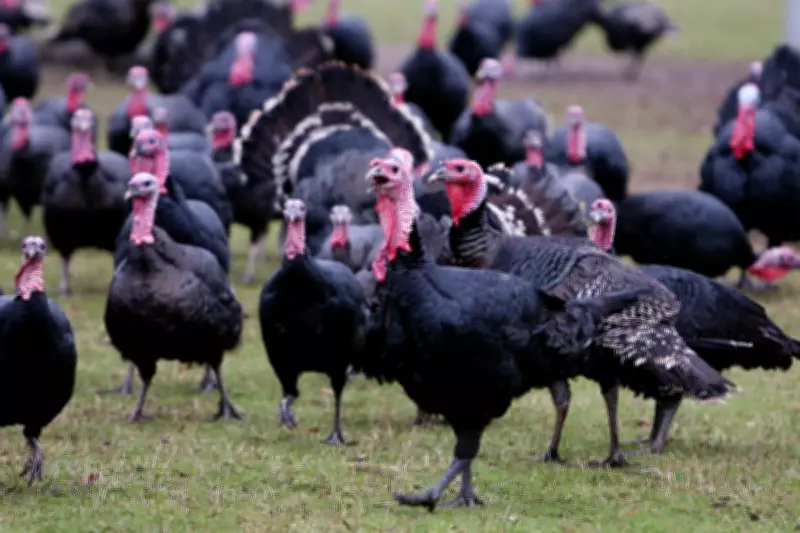
Britain has commenced targeted trials for a bird flu vaccine in turkeys, marking a significant shift in its approach to controlling a disease that has devastated flocks and prompted other nations to adopt similar measures to mitigate losses. The pervasive spread of highly pathogenic avian influenza, commonly known as bird flu, poses a serious threat to governments and the poultry sector worldwide.
Economic Impact and Industry Concerns
The Department for Environment, Food and Rural Affairs (DEFRA) estimates that bird flu outbreaks have cost the British government and the poultry industry up to £174 million annually. This financial burden stems from flock losses, increased food prices, and the potential risk of a new pandemic, all of which are pressing issues demanding immediate attention.
Globally, major poultry producers have largely resisted vaccination strategies due to fears that such measures could mask the virus's spread and jeopardise export markets. However, the UK trials, expected to run for 24 weeks, aim to assess the effectiveness of authorised vaccines in real-world conditions. DEFRA has stated that they will also evaluate how surveillance mechanisms can protect trade, addressing these international concerns head-on.

Why Turkeys Were Chosen for the Trials
Turkeys were selected for the trials due to their high susceptibility to the virus, with outbreaks often causing significant mortality rates. This vulnerability has made them a focal point in efforts to combat avian influenza, especially as turkey prices have risen this year partly due to shrinking flock sizes caused by the virus.
International Context and European Outbreaks
France has been vaccinating farm ducks against bird flu since 2023, making it the first major poultry exporter to implement such a policy nationwide. It credits this approach with curbing the disease effectively. Meanwhile, the Netherlands and the United States are also conducting vaccine trials, with the US specifically assessing how vaccination could impact poultry exports.
Late last year, Europe grappled with an unprecedented and early surge in bird flu, driven by widespread outbreaks in wild birds. The European Food Safety Authority (EFSA) reported that this highly pathogenic avian influenza has necessitated the culling of hundreds of millions of farmed birds, disrupting food supplies and driving up prices, though human infections remain rare.
Seasonal Patterns and Current Trends
While outbreaks typically peak in autumn with migratory patterns, this season has witnessed an earlier onset, causing significant mortality among wild bird populations. Poultry outbreak numbers were similar to previous years but five times higher than in 2023, and almost double those of 2021, with turkeys being the most affected species.
This strategic move by the UK represents a proactive step towards safeguarding the poultry industry and ensuring food security in the face of ongoing avian influenza challenges.