Nearly nine in 10 Brits (89%) believe the UK could benefit from more kindness, according to a new study commissioned by protein shake brand For Goodness Shakes. The research, which surveyed 2,000 adults, identified the top 10 random acts of kindness that boost mental health and wellbeing, with benefits extending to both giver and receiver.
Top Acts of Kindness Revealed
Cooking a meal for someone was considered the ultimate gesture of goodwill by more than half of Brits. Helping an elderly neighbour, carrying heavy bags, and fixing something were also regarded as particularly meaningful acts. The full top 10 list includes: helping an elderly neighbour, helping someone carry heavy bags, fixing or helping with something, giving up your seat on public transport, donating money, food or clothes, volunteering your time, helping a friend move or with errands, holding the door open for someone, returning a lost item, and making a meal for someone.
Generational Differences in Kindness
The research revealed notable generational divides. Gen Z favoured less traditional good deeds, such as leaving a positive comment online, sending a voice note to check in, or letting someone go first on gym equipment. In contrast, Boomers considered giving up your seat on public transport, holding the door open for someone, and helping a friend move house or run errands as far more significant gestures.
Event Promotes Kindness
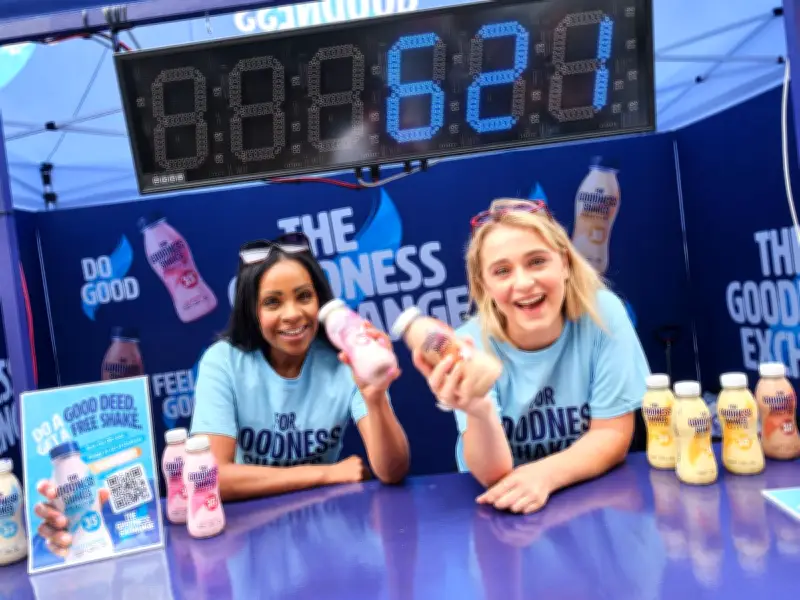
At The Goodness Exchange event at Battersea Power Station in London, attendees signed a pledge to do good in a bid to spread kindness nationwide and were rewarded with protein shakes. TV psychologist Anjula Mutanda, who championed acts of kindness alongside the brand, said it was "fascinating to see how acts of kindness continue to evolve with each generation" but stressed that they still come back to "the same hard-wired desire to connect, express support and look out for one another."
Mental and Physical Health Benefits
Mutanda explained that carrying out acts of kindness prompts the brain to produce "feel good" chemicals such as dopamine and oxytocin, which are associated with pleasure and reward and "play an integral part in helping to boost mood, reduce stress and create a sense of satisfaction." She added: "So, in doing good, we feel good too!"
According to the OnePoll data, 83% of respondents reported that spontaneous acts of kindness lift their spirits for the remainder of the day. Additionally, 85% are confident there are mental and physical health advantages to spreading kindness. The same percentage (85%) maintain that feeling positive internally leads to more constructive interactions with others, with 53% asserting it makes you more approachable.
Kindness Begets Kindness
More than half (57%) of respondents stated they are more inclined to perform an act of kindness if someone else does likewise. Acts of kindness are most frequently encountered while out walking, at home, or using public transport.
Philippa Milburn, brand manager at For Goodness Shakes, said: "We recognise that doing good starts with feeling good, it can be as simple as making sure we get enough sleep, surrounding ourselves with the right people or ensuring our diet fuels us. When we're fuelled by nutritious ingredients and take care of our bodies, we set ourselves up positively for the day and are in a better position to show up for others too."
Milburn added: "The Goodness Exchange is about proving that doing good can feel good too and reminding people that everyday moments of kindness - whether at home, on a walk or on public transport – are more important than ever."