Alan Titchmarsh's Expert Guide to Drought-Resistant Gardening
Gardening authority Alan Titchmarsh has unveiled his selection of seven exceptional drought-tolerant plants that flourish in sunny, arid environments while significantly reducing water usage in domestic gardens. These resilient botanical specimens have evolved over millennia in regions with limited water availability, developing natural adaptations to survive in parched soil once properly established.
The Importance of Proper Plant Establishment
As Titchmarsh emphasizes in his popular YouTube series Gardening With Alan Titchmarsh, "Like all gardeners I'm always looking for ways to preserve water or use less water in my garden and one way to do it is by including plants that can survive in drier conditions." The gardening guru stresses that regardless of plant selection, successful cultivation depends on thorough initial establishment. New plants require consistent, generous watering throughout their first growing season to develop robust root systems before becoming truly drought-resistant.
Titchmarsh offers this crucial advice: "Remember, with all these plants, as well as enjoying sunshine, the soil is well-drained." This fundamental principle ensures these water-wise plants can thrive in the challenging conditions for which they're naturally adapted.

The Seven Drought-Resistant Champions
Catmint 'Purrsian Blue'
This beautiful perennial produces hazy blue flowers from summer through autumn, specifically adapted for dry, well-drained borders. Beyond its visual appeal, the plant attracts essential pollinators with its elegant blooms and releases a pleasant fragrance. True to its name, catmint particularly delights feline companions. While taller varieties may require staking to prevent flopping, Titchmarsh recommends shearing after the initial flowering to maintain compact growth and encourage continued blooming. With proper care, this low-maintenance plant provides sustained seasonal colour where thirstier perennials would struggle.
Stipa tenuifolia (Ponytail Grass)
This wispy, movement-creating ornamental grass reaches approximately 75 centimetres and develops excellent drought resistance once established. Perfect for border fronts or middles, its fine, hair-like blades soften intense colour schemes. Titchmarsh suggests, "Use these as little buffers in between brighter coloured plants," and notes the plant multiplies easily through division. "Plant it and water it well initially, and you'll end up with a little forest," he explains, adding that it self-seeds gently while maintaining elegant appearance. Position in full sun with free-draining soil, providing thorough watering during establishment before reducing irrigation.
Cistus pulverulentus 'Sunset'
This compact, semi-evergreen rose relative forms neat mounds reaching about 50 centimetres tall, making it ideal for smaller gardens and drought-affected borders. While relatively nondescript during winter months, the plant erupts with bright pink blooms throughout late spring and summer. The downy foliage indicates strong drought tolerance, with Titchmarsh noting: "Hairy leaf plants are generally a fairly good bet for dry, drought-ridden conditions." For continuous summer colour in challenging areas, he recommends: "If you have a long, narrow drought-ridden border, plant it entirely with cystases and from the beginning to the end of summer, you'll really enjoy these flowers." Provide full sun, excellent drainage, and light post-flowering trimming.
Eryngium 'Magical White Lagoon'
Commonly known as sea holly, this striking plant features spiky, holly-like leaves and luminous white-to-blue thistle-style flower heads reaching around 50 centimetres. It excels in hot, dry, sunny borders thanks to thick roots that seek deep moisture reserves. Titchmarsh describes them as "firework plants" for their starburst buds appearing mid-to-late summer. Beyond garden display, the flowers make excellent cut and dried arrangements—simply hang stems upside down in an airy room for distinctive winter bouquets.
Sedum 'Sunsparkler Plum Dazzled'

This hardy evergreen succulent, often called ice plant for its cool-feeling leaves even on hot days, features plum-tinged foliage with grey undersides and produces lovely clusters of starry pink flowers from late summer through first frosts. Titchmarsh notes it thrives in sunny locations with sharp drainage, whether in borders or containers, providing valuable late-season nectar for pollinators. The fleshy, sap-rich leaves buffer temperature fluctuations, allowing the plant to shrug off heat while adding structural interest as earlier borders fade.
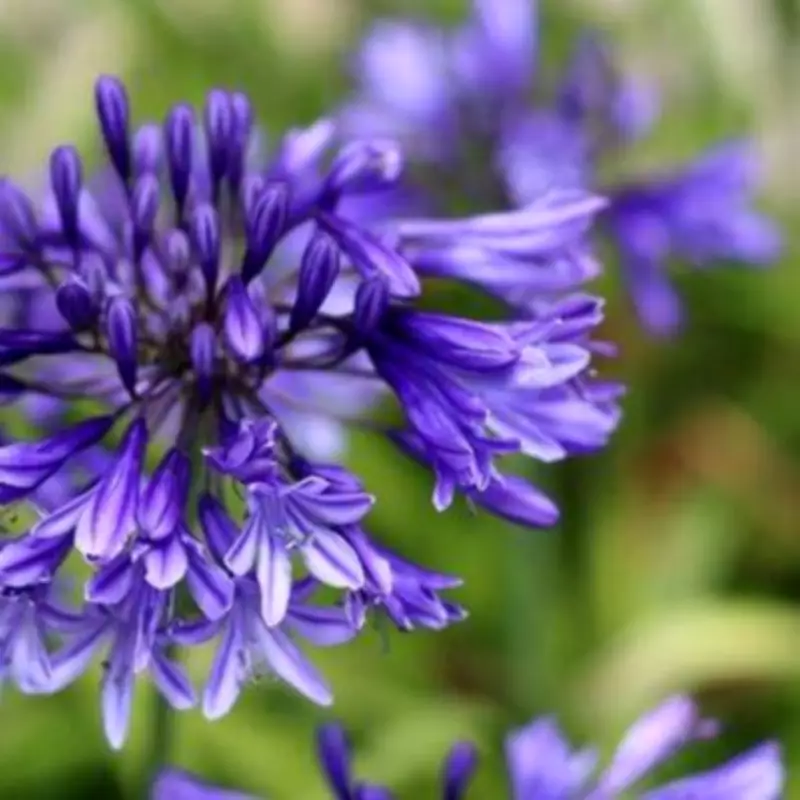
Agapanthus 'Ever Sapphire'
Bred for exceptional stamina, this variety flowers repeatedly throughout summer rather than producing a single flush. With good drainage, it serves as a reliable choice for containers or borders, even in colder regions. The strappy foliage frames bold flower heads, with Titchmarsh expressing particular appreciation: "For me, true blue is the colour of agapanthus." He finds these plants look especially "handsome" in large terracotta pots where roots can bake slightly. During establishment, provide full sun, gritty compost, and regular watering, with modest feeding encouraging slightly root-bound conditions that boost flowering in heat and drought.
Helianthemum 'The Bride'
Commonly known as rock rose, this evergreen low-grower sprawls gracefully across rocks or edges the very front of beds, rarely exceeding nine to twelve inches in height while spreading two to three feet wide for excellent ground cover. It flowers continuously from late spring through summer, with 'The Bride' producing simple white blossoms (though varieties also come in yellow, pink, and orange). Titchmarsh recommends tucking this drought garden essential into the hottest, most free-draining spots, shearing lightly after initial flowering to encourage more buds, and pairing with gravel, silver foliage, and low succulents for bright Mediterranean-style edges.
Creating Sustainable, Water-Wise Gardens
These seven drought-tolerant plants represent practical solutions for gardeners facing increasingly dry conditions or seeking to reduce water consumption. By selecting appropriate species and ensuring proper establishment, gardeners can create vibrant, colourful outdoor spaces that thrive with minimal irrigation. Titchmarsh's recommendations combine aesthetic appeal with environmental responsibility, offering pathways to beautiful gardens that align with sustainable water management practices. As climate patterns shift and water conservation becomes increasingly important, such drought-resistant planting strategies offer both practical and ecological benefits for modern gardeners.