Mastering Seed Germination: The Key to a Bountiful Vegetable Harvest
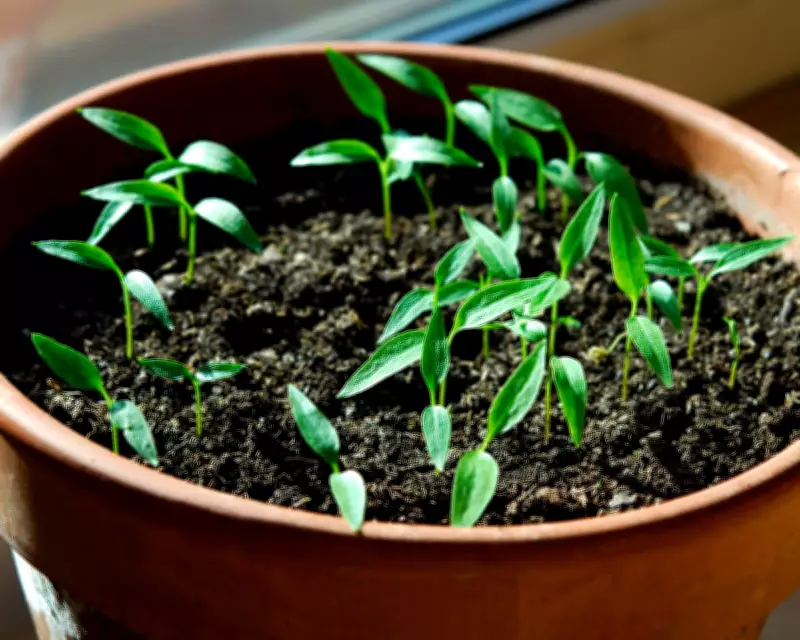
When preparing seeds for your garden, the adage holds true: you will reap what you sow. Understanding the specific water and warmth requirements for different seeds can significantly enhance your chances of achieving a robust and productive vegetable crop. As many gardeners shift their focus to sowing seeds, it's crucial to recognize that while germination may seem random in nature, it actually depends on a precise set of environmental factors. Each seed type has unique needs, and tailoring your approach accordingly can lead to higher germination rates and less waste.
The Vital Role of Water in Seed Germination
To the untrained eye, a seed might appear dormant and inert. However, these tiny packages are brimming with genetic information and biological processes, just waiting for the right signals to spring into action. The most fundamental requirement for most seeds to germinate is water. Proper watering causes the seed coat to swell and rupture, activating internal enzymes. Yet, this balance is delicate: excessive water can lead to rot before germination occurs, while insufficient moisture leaves the seed in a dormant state.
For seeds with particularly hard coats, such as okra and peas, a technique called scarification can be employed. This involves carefully nicking the seed coat with a sharp knife or rubbing it with sandpaper to create small openings, allowing water to penetrate more effectively. Alternatively, soaking seeds in warm water for about 24 hours before planting can achieve a similar effect, ensuring they are primed for growth.

Temperature: A Critical Factor for Successful Sprouting
Another key consideration in seed germination is temperature, an aspect often underestimated by novice gardeners. Most seeds have an optimal temperature range for sprouting, and deviations from this can hinder their development. For instance, aubergines and chillies typically require a warm environment, around 21°C, which is why many growers use propagators or heat mats to maintain consistent heat. While it's possible to germinate these seeds at lower temperatures, the results tend to be less reliable.
Conversely, some seeds, like lettuce, may germinate erratically if temperatures are too high, particularly as they approach 30°C. This highlights the importance of researching and adhering to the specific thermal needs of each seed variety to maximize germination success.
Cold Stratification: Mimicking Winter for Better Germination
Seeds from plants that naturally flower, drop their seeds to overwinter, and sprout in spring have evolved to require a period of cold weather before germination. For herbs such as chamomile, parsley, and coriander, cold stratification—simulating winter conditions—can significantly improve germination rates. This process can be as straightforward as placing seeds in the refrigerator, either in their original packets or wrapped in moist kitchen paper inside a plastic bag, for a duration ranging from a few weeks to several months, depending on the species.
While these techniques might recall basic science lessons, applying them to your gardening practices can transform your results. By getting acquainted with what your seeds need to awaken, you may cultivate the most impressive vegetables your garden has ever produced.