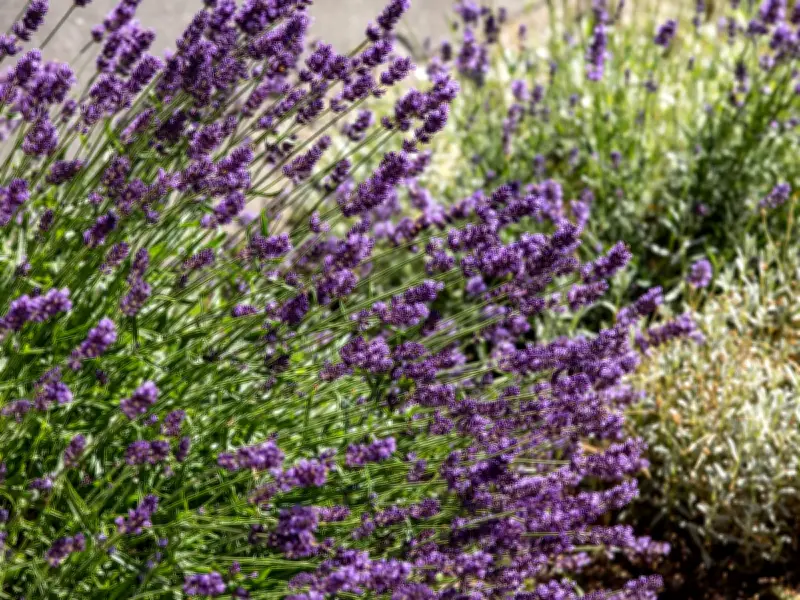
A gardener who owns 15 lavender plants has shared a simple summer pruning trick that encourages a second flush of blooms, taking just a few minutes to complete. Lindsey, known on TikTok as @mamanowwhat, insists that July is the perfect time to trim English lavender for an additional round of flowers later in the season.
Why Pruning Matters for Lavender
Lavender is a garden favorite, but it does not always bloom as abundantly as gardeners hope. Incorrect pruning or a complete lack of it often leads to sparse growth and limited flowers. Proper pruning prevents the plant from becoming excessively woody at the base and developing only elongated shoots with little foliage or blooms. Consistent trimming maintains lavender's shape and overall vitality.
The July Pruning Technique
Lindsey recommends securing a length of string around the entire plant before trimming to ensure only the flowerheads are removed. This method prevents cutting into the woody stems and promotes fresh growth. She stated, "If you're growing English lavender, giving it a trim can give you a whole second round of blooms later in summer. Trimming a few lavender plants now encourages fresh growth and another round of blooms later in the season."
When to Prune Lavender
Ideally, lavender should be pruned twice a year: once in spring and once in summer. The initial trim is best carried out before bud break, typically between late March and early April. The second pruning should take place in summer, just ahead of flowering—around July—to promote a second flush of blooms.
How to Prune Lavender Properly
When pruning lavender, it is crucial to avoid cutting too far back. The degree of pruning should be guided by the plant's growth stage and condition. In spring, cut back the lavender by roughly one to two-thirds just before buds start to open. After summer flowering, reduce it by half.
Younger lavender plants need more aggressive pruning than mature specimens. You can cut the shoots back by up to half to promote denser, more compact growth. With older lavender bushes, greater care is required. Begin by removing all spent flower heads, then trim cautiously and resist cutting too deeply—approximately 10 centimeters—to encourage a fuller shape. Lavender finds it difficult to regenerate from woody stems close to ground level, so careful trimming is essential.