Ploughmen Opt for Field Work Over Competitions in 1951
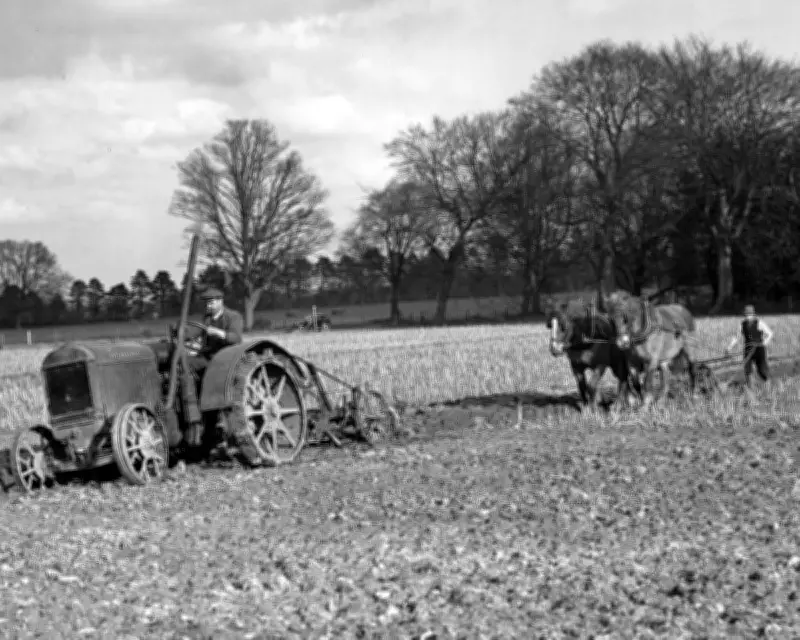
In a notable shift from tradition, ploughmen in the United Kingdom during 1951 chose to forgo their usual competitive events to concentrate on the cultivation of their own fields. This decision, documented in a country diary from the era, reflects the changing dynamics in post-war British agriculture, where practical farm management took precedence over communal festivities.
Post-War Agricultural Priorities
The aftermath of World War II saw a heightened emphasis on food production and self-sufficiency across the nation. Ploughmen, who were traditionally celebrated for their skills in annual ploughing matches and competitions, found themselves redirecting their efforts towards ensuring the productivity and health of their personal land holdings. This move was driven by the need to support the country's recovery and meet the growing demands for agricultural output.
Historical records indicate that many of these ploughmen were small-scale farmers or agricultural labourers who relied heavily on their fields for livelihood. By prioritising field maintenance over competitions, they aimed to maximise crop yields and improve soil quality, which were critical factors in the economic stability of rural communities at the time.

Impact on Rural Communities
The absence of ploughmen from competitions had a ripple effect on local rural societies. These events were not merely showcases of skill but also served as social gatherings that fostered community bonds and shared knowledge among farmers. With ploughmen focusing on their fields, these competitions saw reduced participation, leading to a temporary decline in such communal activities.
However, this shift also underscored a broader trend towards individual farm management and efficiency. It highlighted how agricultural workers were adapting to new challenges, such as labour shortages and technological changes, by dedicating more time to hands-on work rather than ceremonial displays.
In the long term, this period marked a gradual transition in British farming practices, paving the way for modern agricultural methods that balance tradition with innovation. The 1951 country diary entry serves as a poignant reminder of how global events can reshape local customs and priorities in the farming sector.