
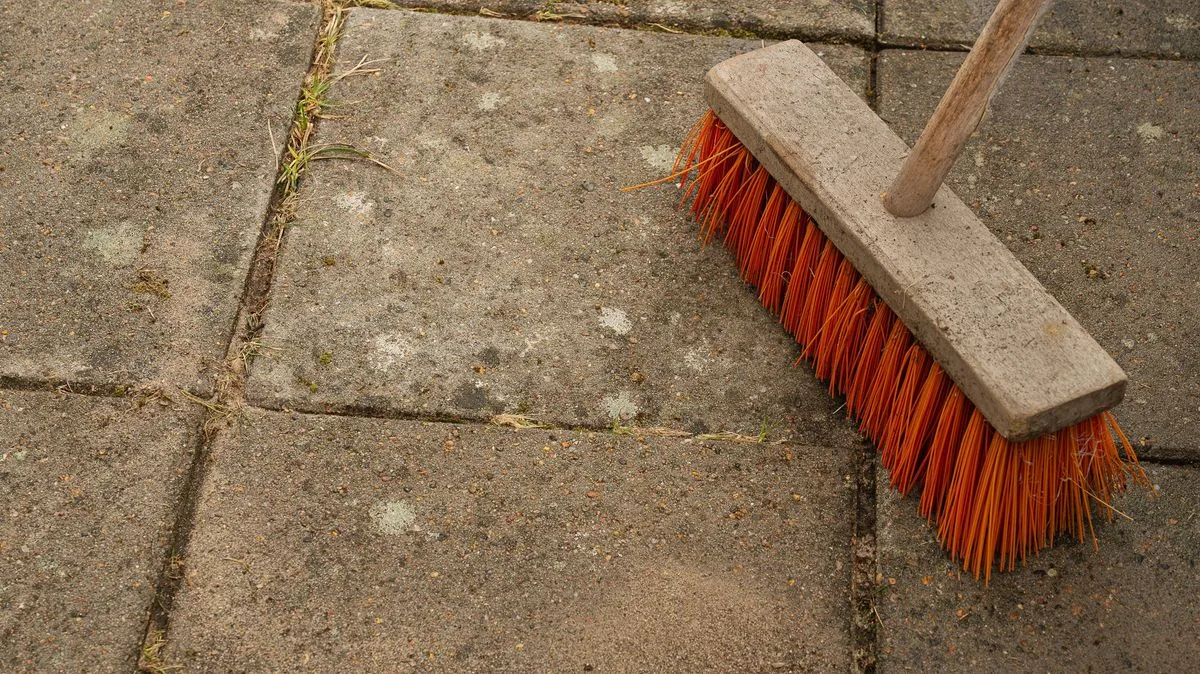
As spring arrives, many homeowners look to tidy their outdoor spaces, and one of the most common tasks is cleaning patios. Over winter, moss, algae and grime can accumulate, not only making surfaces unsightly but also creating slippery hazards. While pressure washers and specialist products are available, a simple household item—white vinegar—can do the job for as little as 30p a bottle.
The method is straightforward: first, sweep away loose debris with a stiff-bristle broom. Then, mix white vinegar and water in a 1:1 ratio in a bucket—ensure the water is not too hot. Apply the solution across the entire patio, focusing on stubborn stains, and leave it to work for about an hour. After that, scrub gently with the broom; the marks should lift immediately.
This technique has been endorsed by specialists and proves particularly effective on persistent winter grime. White vinegar is widely available from supermarkets such as Tesco for around 30p per bottle, and a typical patio requires only half a bottle, making it a very budget-friendly option. Minimal scrubbing is needed, and the results can leave the patio looking practically like new.
However, it is essential to check the patio material first, as vinegar is acidic and could damage certain surfaces. Always test the solution on a small, inconspicuous area before proceeding. Additionally, this mixture can also help remove weeds if they are a problem.




