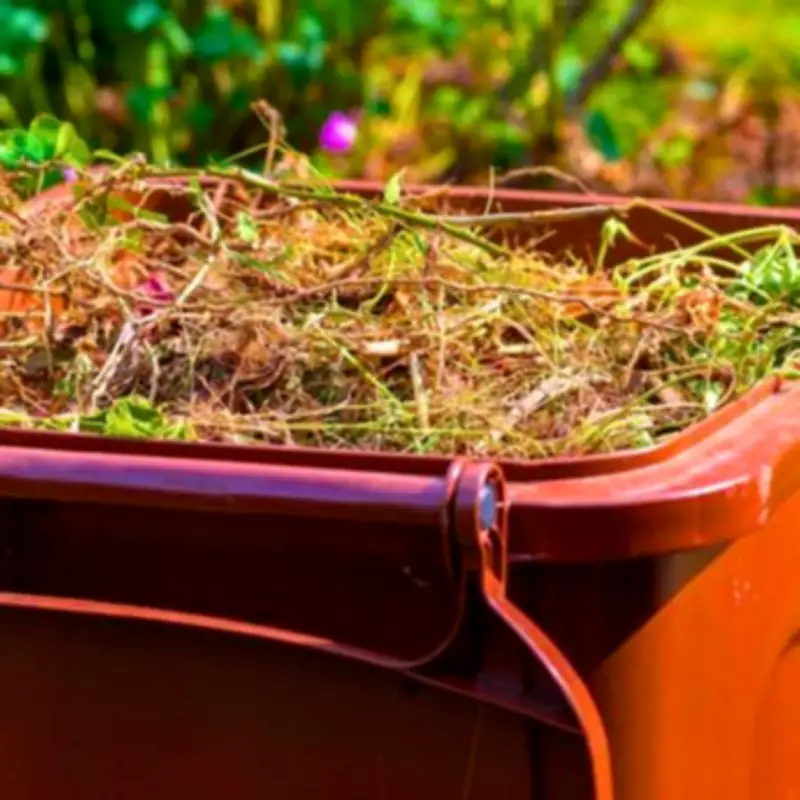
Compost Bin Hack: Use Paper Shopping Bags to Prevent Spring Pests
As the United Kingdom begins to enjoy warmer weather, gardening enthusiasts who love spending time outdoors should inspect their compost bins before temperatures significantly increase. Food scraps and plant debris can take a long time to decompose in cold conditions, often leading to moisture accumulating at the bottom of the compost bin and making the waste excessively damp.
This becomes a major issue in spring when gardens attract pests searching for food, as the heat can cause compost to release a particularly strong smell. Rats are skilled at detecting moist compost, and from late March onward, maggots can become a nuisance as flies start laying eggs once daytime temperatures exceed 10 degrees Celsius.
Sustainable Living Expert Reveals Simple Solution
However, Jen Panaro, a sustainable living expert and founder of Honestly Modern, has shared a straightforward trick to maintain a clean compost bin – simply line it with shopping bags. She advised: "Brown paper bags (like repurposed grocery bags) are the best. They absorb a good amount of moisture and break the least. Even when they do break, they keep the inside of the bucket the cleanest."

Paper shopping bags, made from thick, absorbent material, are excellent at soaking up moisture from compost, thereby helping to keep the bin dry, according to reports. Successful composting requires a balance of nitrogen-rich waste, such as food scraps, and carbon-rich materials, like paper, to decompose effectively.
How Paper Bags Improve Composting
The crumpled paper creates tiny air pockets within the waste, which facilitate a process known as aerobic decomposition, where microorganisms break down the compost using oxygen. Using shopping bags also helps mask the odour of decomposing food and reduces the likelihood of attracting pests like rats or flies.
It is an affordable and environmentally conscious method to maintain a much cleaner compost bin, preventing unpleasant smells throughout the spring months. This approach not only supports sustainable living but also enhances garden hygiene as the season progresses.
Step-by-Step Guide to Using Paper Bags
It is crucial to note that this technique only works with paper shopping bags – plastic must never be placed in your compost as it does not decompose. Most paper shopping bags sold in the UK should indicate whether they are compostable, with the majority manufactured using water, soy, or plant-based inks.
That said, the ideal bags for composting are plain brown or white varieties, as these contain no heavy dyes and are naturally rich in carbon. Once you have the appropriate bag, simply scrunch it up or tear it into smaller pieces. Next, create a layer at the base of your compost bin before adding any kitchen scraps.
Turn the compost over regularly to mix the paper throughout the food waste, and it should keep your compost bin free of pests for the remainder of the warmer months. This simple practice can make a significant difference in managing compost effectively and sustainably.