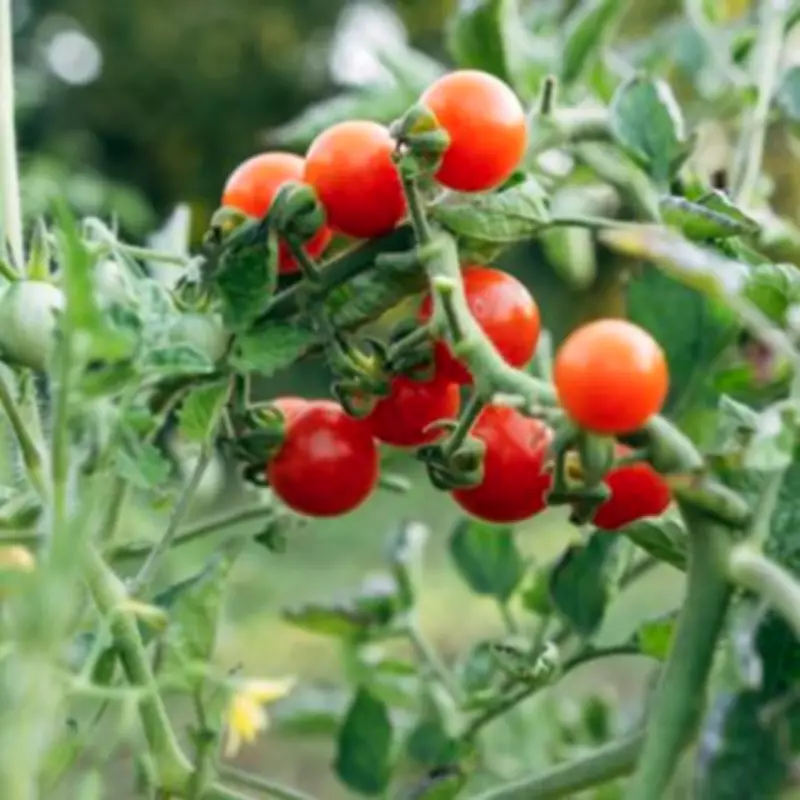
Tomatoes are widely regarded as one of the most straightforward and low-maintenance plants to cultivate in home gardens, but vigilant monitoring of their leaves is essential for success. April presents a notorious challenge with its combination of warm temperatures and frequent rainfall, creating ideal conditions for the development of a particularly destructive disease known as blight.
Understanding the Threat of Blight
Blight spreads through fungal spores that are carried in water, making it extremely difficult to control once it establishes itself in a garden due to its rapid propagation. The disease typically manifests at the base of plants, causing leaves to develop patchy, brown, and withered appearances. This severe damage critically limits the tomato plant's capacity to generate energy through photosynthesis.
A plant suffering from deteriorating leaves will inevitably struggle with stunted growth and is unlikely to produce any viable fruit. Even if a tomato plant manages to develop fruit despite the infection, the produce will typically rot on the stem and become inedible as the disease progresses upward through the plant structure.

Essential Protective Measures for Spring
Early blight represents a frequent concern during this season, but gardeners need not panic as straightforward prevention methods exist. The fundamental principle involves ensuring that excess moisture does not accumulate around the plants. Tomatoes require ample space to develop properly, as adequate airflow helps their leaves dry more efficiently following rainfall episodes.
Always provide each plant with sufficient spacing and complete sun exposure, since tomatoes growing in shaded areas remain damp for longer periods, significantly increasing their susceptibility to disease development. When watering tomatoes, always direct moisture as close to the soil as possible around the plant's base, avoiding overhead watering that creates wet leaves and perfect environments for spore development.
The Revolutionary Mulching Solution
Bob Wildfong, an experienced gardener from Seeds of Diversity, has revealed that the most effective defense against blight involves preventing rain from carrying spores toward your plants through proper mulching techniques. He explained: "That splash zone is where infected soil will infect your tomato plants. Fortunately, a good mulch will completely prevent the soil from splashing."
Whether you utilize straw, leaf mulch, newspaper, horticultural plastic, or fabric materials, any effective barrier placed on the ground around your tomato plants will successfully keep soil from splashing upward during rainfall. Mulching represents a straightforward gardening technique that involves covering plants with biodegradable materials that gradually break down into the soil, simultaneously boosting fertility and nourishing the plants.
Multiple Benefits of Proper Mulching
Mulching not only establishes a protective layer around tomatoes but also prevents soil from becoming waterlogged, giving fungal spores minimal opportunity to flourish. This technique additionally regulates soil temperature and moisture levels, reducing plant stress while decreasing humidity around the foliage. Beyond shielding tomatoes from blight, the nutrients released by decomposing mulch encourage robust, healthy plant development with greater natural resistance to various diseases.
However, gardeners must exercise caution regarding timing when applying mulch to tomato plants. Bob Wildfong warned: "Just a word of warning about mulching tomatoes, though. While mulch helps prevent blight, helps retain moisture, and keeps weeds down, it also cools the soil. If you mulch tomatoes in spring, at the same time you plant them, the cool soil will slow their growth and make them ripen late."
Optimal Application Timing
Ensure you wait at least one month before applying mulch to tomato seedlings, allowing the soil adequate time to warm up properly. Once plants have become established, cover them with straw, newspaper, or any dry material of your choice. When you mulch at the correct point during spring, your tomatoes will be properly safeguarded to develop robustly and healthily, ultimately yielding plump, red fruit come summer harvest time.

This simple yet highly effective gardening technique requires minimal effort but delivers maximum protection against one of the most common and destructive tomato diseases. By implementing proper mulching practices at the appropriate time, gardeners can significantly increase their chances of enjoying bountiful, healthy tomato harvests throughout the growing season.