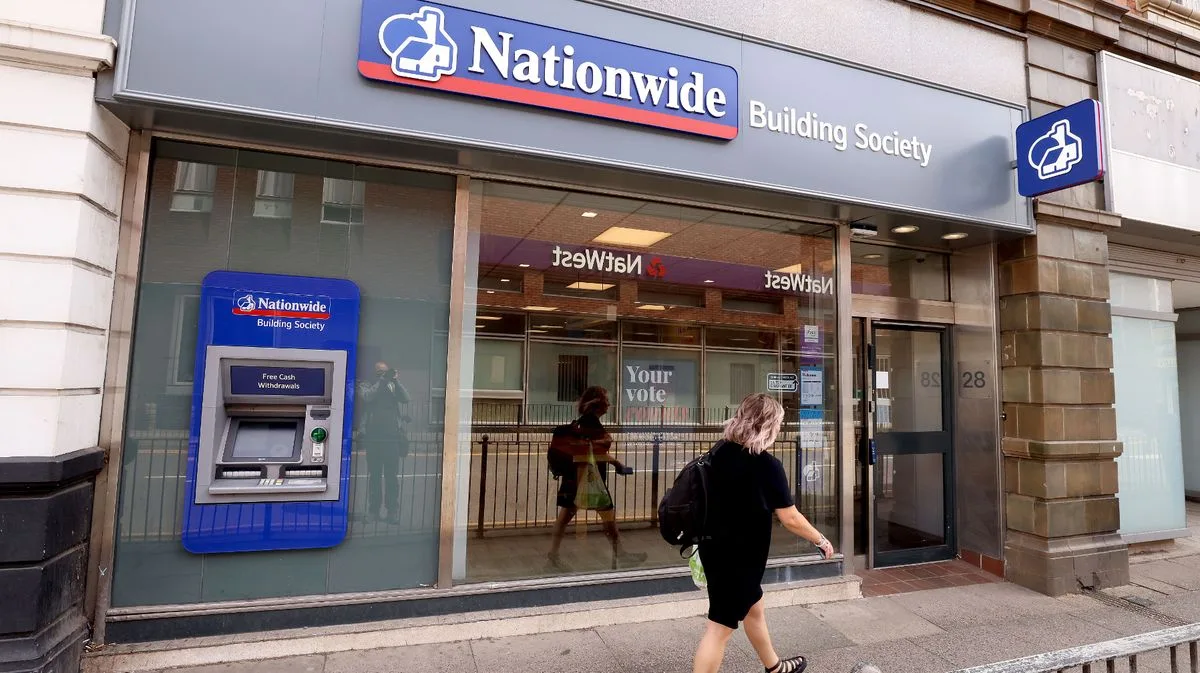
Nationwide Building Society will start paying £100 to millions of its members next month under its “Fairer Share” scheme, but millions more will miss out due to strict eligibility criteria. Only 3.85 million—just 24% of its 16 million member base—will receive the payment, sparking frustration among loyal customers.
To qualify, members must have a qualifying current account and either qualifying savings or a mortgage with Nationwide as of March 31. They must also have paid at least £500 into the current account for two of the first three months of the year and made two payments out. Additionally, they need to have held £100 in a Nationwide savings account or owed at least £100 on a mortgage at the end of March. Payments will be sent automatically between June 13 and June 28.
James Daley of consumer group Fairer Finance criticised the scheme, saying: “This annoyed people last year, and they’re doing it again when it’s only a small percentage of people who will get it. There are lots of long-term customers who are going to be upset by this, they are losing the PR battle.”
Nationwide members took to social media to express their anger. One X user, a customer since 2009, said they were not eligible this year despite receiving the bonus last year. Another said they had been with Nationwide for over 20 years with three accounts but received nothing. A third complained that loyal savers of 30 years were excluded, while others with 15 or 25 years of membership also missed out.