Monty Don's Essential March Gardening Guide: Feeding Birds and Spring Prep
Monty Don's March Gardening Tips for Birds and Spring

As March unfolds with its characteristically unpredictable British weather, renowned gardening presenter Monty Don has outlined three vital tasks that can significantly ease the transition into spring for both gardeners and wildlife. With the official arrival of spring on March 20, this month presents a unique blend of challenges and opportunities in the garden, from fluctuating temperatures to the awakening of flora and fauna.

The Unpredictable Nature of March Gardening

Monty Don, writing on his personal website, emphasises that March is a month of constant change, often shifting from snow and frost to warm sunshine within hours. He notes, "March changes from day to day, even hour to hour. We often have snow, frost, wind, rain and warm sunshine and always have daffodils, blossom, fritillaries, the hedges breaking into leaf and the grass growing." This variability can make it genuinely challenging for gardeners to plan and execute outdoor tasks, but tackling a few key jobs promptly can streamline spring preparations.

Priority One: Continue Feeding the Birds

With birds beginning to lay eggs and rear their young during March, Monty stresses the importance of maintaining birdfeeders to support fledglings' survival. He explains, "This is a time that puts great demands on their energy when there is not much natural food around, so keep feeding the birds all month, concentrating on high-energy items such as fat, peanuts and sunflower seeds." Fatty foods provide essential energy boosts, but budget-conscious gardeners can offer alternatives like leftover potatoes, rice, or even crushed eggshells.

Additionally, ensuring access to water is critical, as many natural sources may still be partially frozen. Gardeners should check bird baths are functional or place out fresh water regularly to aid hydration during this demanding period.

Priority Two: Start Planting Vegetables

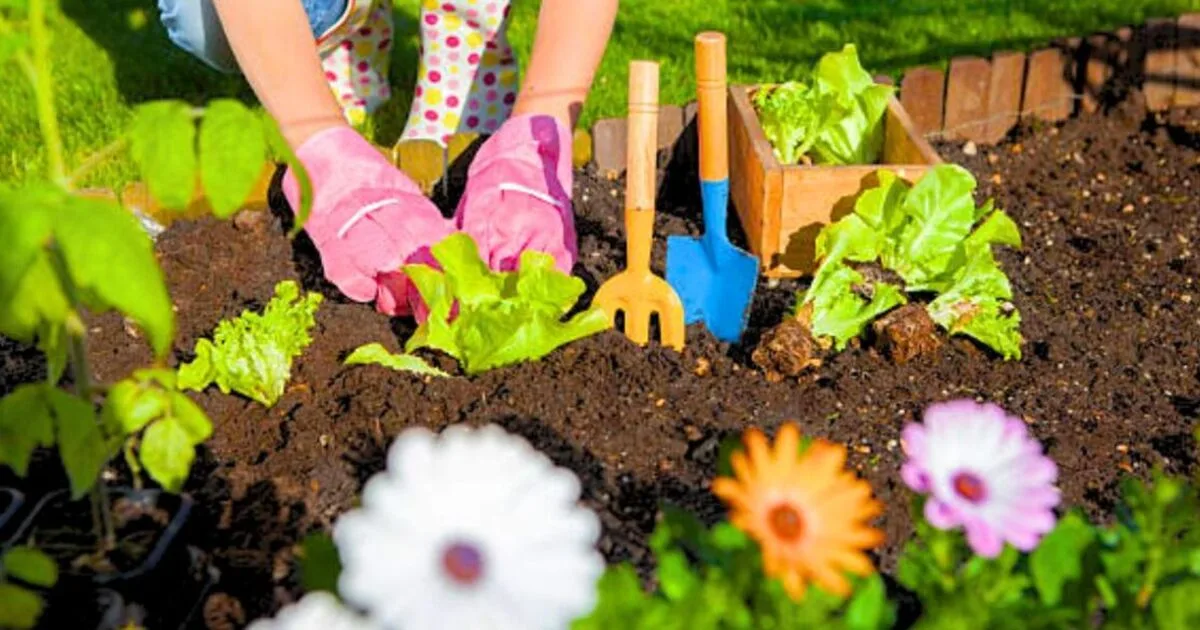
As soil temperatures begin to rise in March, Monty advises gardeners to commence planting robust vegetables that can withstand damp and blustery conditions. However, caution is essential: if the soil remains frozen or waterlogged, it is better to start seeds indoors in containers. Protection measures, such as horticultural fleece, can shield crops from the elements and accelerate growth, allowing for an earlier harvest of fresh vegetables.

Monty recommends, "Sow seeds under cover such as cabbage, lettuce, celery, beetroot and tomatoes. Do not sow any seeds outside if the ground feels cold to the touch. If warm and dry enough, sow broad beans, beetroot, rocket, spinach, mizuna, parsnips, radish and winter lettuce." This strategic approach ensures optimal conditions for germination and development.

Priority Three: Mindful Garden Tidying

March often leaves gardens in disarray, making it an ideal time for tidying to pave the way for new spring growth. Tasks include raking up fallen leaves to prevent fungal diseases, collecting dropped branches, and replacing compacted mulch in flower beds. Lawn maintenance, such as removing moss or dead foliage, also promotes healthy regrass.

However, Monty cautions gardeners to check thoroughly before clearing, as wildlife like hedgehogs emerging from hibernation, nesting birds, and butterflies seeking shelter may be present. He warns, "Try not to disturb natural hibernation spots, especially if you are vigorously tidying up after a long winter. These creatures all make a slow start and will be lethargic and weak - be mindful of them." This careful approach balances garden upkeep with wildlife conservation.

By following Monty Don's expert guidance, gardeners can navigate March's unpredictability effectively, supporting local ecosystems while preparing their outdoor spaces for a vibrant spring bloom.




