Middle East Conflict Threatens Australia's Food Security as Supply Chains Crumble
A food security expert has issued a stark warning that Australia may face significant pressure on food supplies in the coming months, with prices set to rise dramatically as the escalating conflict in the Middle East disrupts global supply chains. The situation is creating a perfect storm of challenges that could leave supermarket shelves sparse and household budgets strained.
Fuel and Fertiliser Crisis Hits Farmers Hard
Motorists across the nation are already feeling the pinch at the petrol bowser, with many regional towns having completely run out of fuel due to the global oil price hike triggered by the conflict. Farmers, who are on the cusp of harvesting summer crops and planting for winter, are among those being hit hardest by this fuel shortage. They believe these increased costs will translate directly into soaring prices for families at the supermarket checkout.
The fertiliser crisis presents an even more alarming dimension. The Middle East supplies up to forty-five percent of the world's urea, a crucial nitrogen fertiliser that promotes high crop yields for wheat and vegetables. Australia does not produce this essential agricultural input domestically, leaving the nation's food production dangerously exposed.

Shipping Chaos and Supply Chain Breakdown
Compounding the problem, major shipping giants have suspended operations through the strategic Strait of Hormuz, causing widespread chaos in international supply chains. While the Australian Retail Association has yet to report specific food shortages or supply-chain issues, experts warn that all sectors of the economy will be impacted as the Middle East conflict enters its third week.
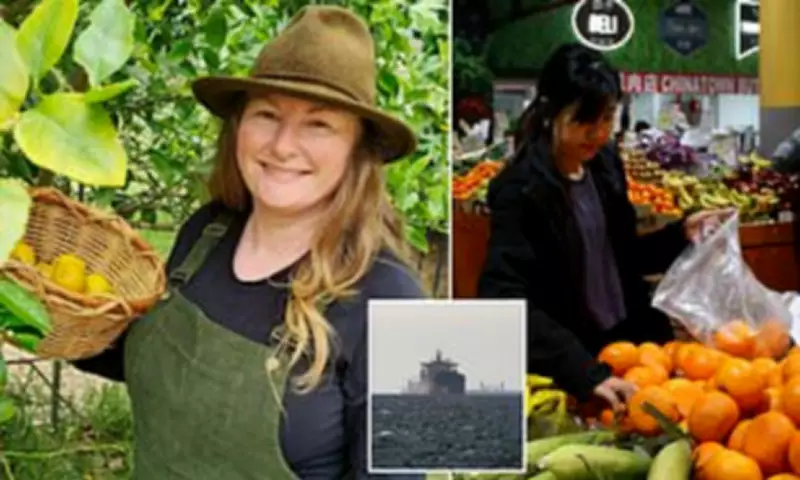
Susanne Peet, founder of Resilience Village and a food expert who helps families break their dependence on supermarkets, draws parallels with past conflicts. "Past wars have shown that disrupted supply chains often lead directly to food shortages," she stated. "Everyone is relying on the supply chain and the ability to go to a grocery store to get what they want every single week. The reliability of that is coming to an end."
Agricultural Insiders Sound the Alarm
Ms Peet's warning is based on concerning information from agricultural insiders. "I was talking to someone in commercial fertilising equipment and organic fertilising creation, who is at panic stations," she revealed. "He has already sold out of fertiliser for the season and is likely to receive only twenty-five percent of the ingredients needed to make more for next season because of the issues happening in the world right now."
She believes that food and financial security have become the most pressing issues for all Australians, regardless of socioeconomic status. "The middle class is worried about slipping into poverty, while the most vulnerable members of our society are quietly panicking because they already lack the support they need to get by," Ms Peet explained.
Potential for Rationing and Social Unrest
The expert fears that disrupted supply chains could lead to severe consequences, including food rationing, increased reliance on food vouchers, and a potential rise in crime. She recalled incidents during the Covid-19 pandemic in 2021–2022, where people from urban areas travelled to the countryside not just to buy food, but to steal from farms.
"At our local shop, you had to show ID and prove you were a local before they let you in," Ms Peet recounted. "Large farms hired extra security to try and reduce theft." This scenario could easily repeat itself if food becomes scarce.
Official Warnings from Farming Leadership
National Farmers' Federation president Hamish McIntyre echoed these concerns, stating that the conflict highlights how Australian farmers are at the mercy of geopolitical tensions due to their heavy reliance on imported inputs and export markets. "Livestock exports have been disrupted, and we expect farmers will soon face higher fuel and fertiliser prices," he warned. "Without fuel and fertiliser, farmers simply can't get food and fibre to consumers."

Mr McIntyre projected that costs on perishable goods such as dairy, fruit, and vegetables could rise by forty to fifty percent if constraints on fuel and fertiliser continue. "It's a double effect - it's cost of delivery, plus cost to farmers that will add up to a greater cost for consumers in our supermarkets," he explained.
A Call to Action: Grow Your Own Food
Ms Peet insists that food shortages can be mitigated if more Australians learn practical skills to grow their own produce. "Food security is the one thing that everyone can control," she asserted. "The three pillars everyone will need are to grow, preserve and store food."
She clarified that this is not about extreme prepping, but about developing sustainable skills. "I am not talking about 'prepping the bunker'. I'm talking about the ability to grow what you eat, preserve the harvest and store it in a professional inventory manner for long-term food security."
Community involvement is key to this strategy. "That's where community is part of the system of operations," Ms Peet advised. "Join a community garden or find a neighbour in your street who is growing food and learn from them, share the space and exchange skills, seeds and more."
She emphasised that growing food does not require vast spaces or full-time commitment. "People all over the world grow food in small spaces, like balconies, vertical gardens and hydroponic set-ups in spare rooms. Growing food does not have to be a full-time job; it can supplement what you eat at the very least."
Finally, Ms Peet urged Australians to support local producers. "Now more than ever, we need to frequent Australian-made and produced businesses, support farmers' markets and buy direct from farmers." This collective effort could be crucial in navigating the challenging months ahead as the global situation continues to evolve.