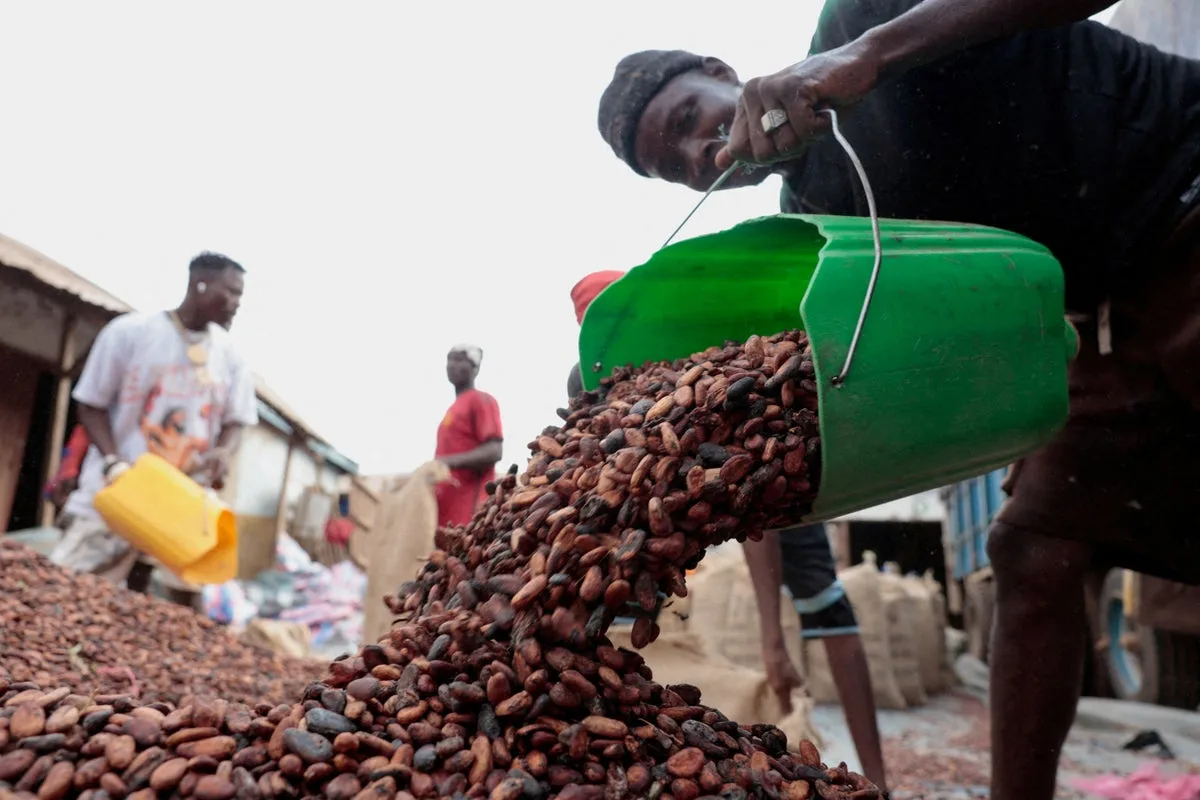
Ivory Coast, the world's largest cocoa producer, faces a mounting crisis with 200,000 metric tonnes of unsold cocoa expected by the end of March, unless the government reduces state-regulated farmer prices to stimulate sales, according to industry experts and global trading executives.
The West African nation, together with neighbouring Ghana, supplies about 50% of the world's cocoa. The unsold stocks, piled up inland and at ports for months, stem from the government setting main crop farmer prices last October significantly above current world rates, making purchases unprofitable for traders.
These surplus stocks are weighing on global prices, which have fallen 50% this year to a near three-year low. Many international traders stopped buying Ivorian main crop beans months ago, although local sources reported last week's sale of 200,000 tonnes of the upcoming April-September mid-crop to international traders.
In late January, Ivory Coast pledged to buy 100,000 tonnes of unsold cocoa at a cost of about $500 million to provide cash to unpaid farmers. However, global cocoa trade executives warn the volume of main crop needing purchase is likely much larger. Ivorian traders have defaulted on at least 100,000 tonnes of main crop purchases, and farmers will harvest another 100,000 tonnes by end-March that remain unsold unless prices drop.
The Coffee and Cocoa Council (CCC), the Abidjan-based regulator, dismissed the market estimate as "erroneous" without further details. Ivory Coast's agriculture minister announced on Monday that a decision on farmer prices for the upcoming mid-crop will be made by end-February, over a month earlier than usual. Ghana recently slashed its farmer price by almost a third, and sources indicate Ivory Coast is considering similar cuts to align with Ghana.