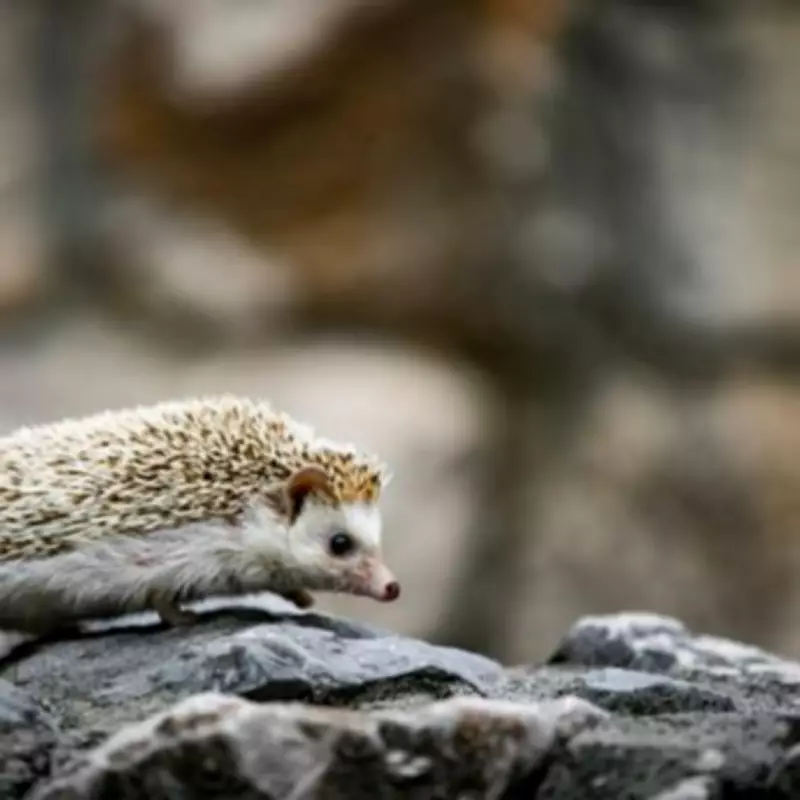
Hedgehog Feeding Guide: How to Attract Them to Your Garden This Spring
Spring has arrived, bringing longer days and warmer weather that encourage more time spent outdoors in gardens. While many people focus on creating beautiful spaces for themselves, it is equally important to consider the needs of local wildlife. Hedgehogs are now emerging from their winter hibernation, and after months of sleep, they require nourishment to rebuild their strength.
The Importance of High-Protein Food for Hedgehogs
As nocturnal creatures, hedgehogs become most active after dark during this season. Having lost a significant amount of body weight throughout hibernation, they need protein-rich meals to recover effectively. Experts emphasize that leaving out food and water can make a substantial difference in supporting their health.
If you encounter a hedgehog during daylight hours, it may appear unsteady or disoriented. In such cases, it is best to avoid disturbing the animal. Instead, ensure that fresh water and a bowl of suitable food are available nearby. For those with pets, this is often convenient, as hedgehogs can benefit from certain types of cat or dog food.

Recommended Foods and Feeding Tips
According to specialists from BBC Gardeners World, meat-based cat or dog food, particularly chicken flavour, is ideal for hedgehogs. This high-protein option helps them regain energy and encourages them to return to your garden regularly. However, it is crucial to check the ingredients list to ensure meat is listed first, indicating a higher protein content.
Maintaining cleanliness is also essential. All feeding bowls and areas should be kept thoroughly clean to prevent the spread of disease. Additionally, provide water in a shallow, sturdy bowl made from materials like terracotta to prevent tipping. Place the water bowl in a shaded spot in your garden and refill it as needed.
Protecting Food from Other Animals
Placing food bowls in the garden can attract other wildlife, such as cats, foxes, or badgers, which may consume the food before hedgehogs have a chance. To mitigate this risk, consider using a hedgehog house or a dedicated feeding station. These structures deter larger animals and predators while offering a sheltered space for hedgehogs to eat in peace.
You can purchase a hedgehog house from retailers like the RSPB website or embark on a DIY project to build your own. For a simpler alternative, a feeding station is highly effective and easy to construct.
How to Create a Hedgehog Feeding Station
The British Hedgehog Preservation Society outlines a straightforward method for making a feeding station. Use a plastic or wooden storage box and cut a 13cm square opening in one side. Place the food inside, positioning it as far from the entrance as possible to keep it secure.
To stabilize the station, place a heavy stone or brick on top. Positioning another brick approximately 13cm in front of the entrance can further deter cats from stealing the hedgehogs' food. This setup ensures that hedgehogs have safe access to nourishment without competition from other animals.
By following these guidelines, you can create a welcoming environment for hedgehogs in your garden. Providing the right food and a protected feeding area not only supports their recovery after hibernation but also encourages them to become regular visitors, contributing to local wildlife conservation efforts.