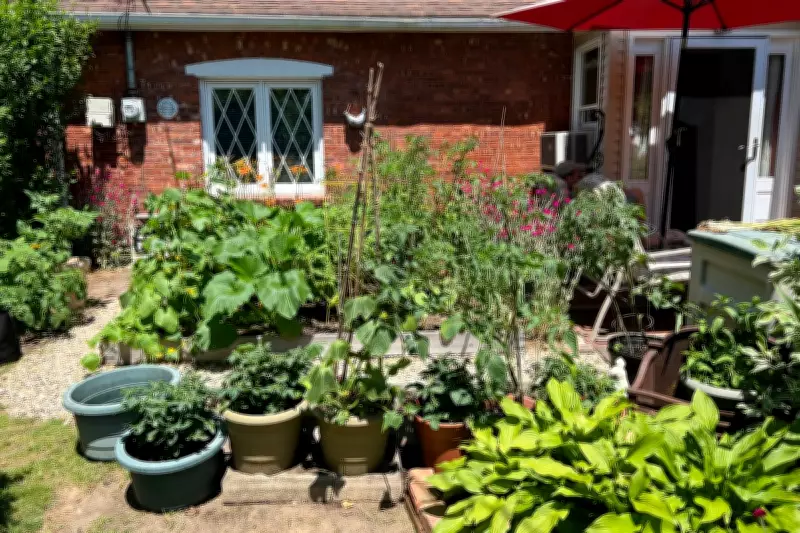
Front Yard Vegetable Gardens: A Sunny Solution for Space and Harvest
If you've ever dreamed of cultivating a vegetable garden but found your backyard too shady, paved, or simply too small, consider an unconventional yet effective alternative: the front yard. With careful planning, a front-yard vegetable garden can not only yield a bountiful harvest but also foster new connections with neighbors and passersby.
Reviving a Historical Tradition
Front-yard vegetable gardens were once a common sight generations ago, but their popularity waned over the years as lawns became a suburban status symbol. Fortunately, this trend is making a comeback as more homeowners recognize the environmental drawbacks of turfgrasses. Lawns often drain precious resources and their maintenance can risk polluting the environment, soil, and groundwater.
Planning Your Front Yard Garden
Before you start digging, it's crucial to check local regulations. Verify whether your municipality or homeowners' association imposes restrictions on street-facing gardens. Additionally, discussing your plans with neighbors can help ensure community harmony and support.

Finding the Perfect Spot: Begin by scouting your yard for an area that receives ample sunlight. Most edible plants require at least six hours of direct sunlight daily to thrive.
Building and Preparing Garden Beds
You have two main options for creating garden beds: raised beds or in-ground beds.
- Raised Beds: These can be installed directly over existing lawn. For short beds, fill them with high-quality topsoil and compost. For beds at or above 3 feet deep, use a layered approach: place firewood or logs from cut trees (avoid treated wood due to chemicals) at the bottom, followed by sticks, twigs, and branches in the middle, and top with equal parts topsoil and compost. Moisten each layer as you build, and add more topsoil mixture after settling to achieve the desired level.
- In-Ground Beds: Keep these beds no wider than 4 feet to allow easy access from all sides for tasks like weeding, pruning, trellising, and harvesting.
Sketch your garden plan on graph paper to visualize the ideal shape and size. Then, outline the bed on the ground using white flour in a plastic bag with a clipped corner or by laying down a garden hose.
Clearing and Preparing the Ground
Once satisfied with your template, remove grass, weeds, and other vegetation using a grub hoe or sod cutter. Lightly till the soil to a depth of 6-12 inches, mixing in generous amounts of compost to improve drainage in clay soils, enhance moisture retention in sandy soils, and add essential nutrients. Remove any rocks encountered during this process.
For a less labor-intensive approach, consider a no-dig method: lay cardboard over the area, hose it down, and cover with at least 6 inches of compost or a 50/50 mix of compost and high-quality topsoil. This method, which postpones planting until the following year, allows the lawn underneath to die off and the cardboard to decompose naturally.
Soil Testing and Fertilization
Before planting, test your soil's pH using an inexpensive home test kit. Most fruits, vegetables, and herbs thrive in soil with a pH between 6.0 and 6.5, though some plants, like blueberries, have stricter requirements (pH 4.5-5). Adjust the soil accordingly: add dolomitic lime if the pH is too low (acidic) or a soil acidifier containing elemental sulfur if it's too high (alkaline), following package directions closely.
Incorporate a slow-release, balanced fertilizer into the soil. However, if the bed is on a former lawn that was regularly fertilized, there may already be sufficient nitrogen. In such cases, use a product containing only phosphorus and potassium to avoid excessive nitrogen, which can negatively impact harvests. Note that synthetic fertilizers and lawn treatments can persist in the soil for about three years, which is important to consider if you aim for organic gardening.
Maintaining Aesthetic Appeal
Since your front-yard garden will be visible to the public, aim for a tidy and purposeful appearance. Arrange plants by height, create mulched pathways between beds, keep the area well-weeded, and promptly remove dead plants. Incorporating flowers can enhance curb appeal and even help deter pests.

Community and Social Benefits
Don't be surprised if your garden becomes a social hub. Parents with strollers, dog walkers, and other neighbors are likely to stop for conversations. You might even find yourself offering surplus produce, like zucchini, fostering a sense of community and shared enjoyment.
Jessica Damiano writes weekly gardening columns for the AP and publishes the award-winning Weekly Dirt Newsletter. For more gardening tips and stories, visit AP News Gardening Hub.