In the wake of June's record-breaking heatwave, South East Water and Southern Water are rolling out hosepipe bans across parts of Kent, Hampshire and the Isle of Wight. South East Water's ban for Kent is already in effect, while Southern Water's for Hampshire and the Isle of Wight began on July 10.
Residents are being urged to cut back on water usage and refrain from using a hosepipe to water gardens, wash vehicles, fill pools, clean windows and patios, and carry out other summer gardening tasks. With many hoping to take advantage of the warm weather to spruce up their gardens, the ban means thousands of Brits may need to reconsider their plans.
However, Ronseal's in-house DIY expert Jimmy Englezos says there are still plenty of tasks that require no water and can be carried out during a heatwave. He has outlined four garden jobs perfectly suited to hot, dry weather that won't breach any restrictions.
Preparation for Garden Painting Tasks
Jimmy said: "Applying paint to exterior surfaces during extreme heat can result in the paint drying too quickly and falling off, so don't be fooled by all warm weather being perfect for garden tasks. While decking oil can withstand the heat and won't crack if applied in warmer temperatures, it does need a thoroughly clean surface before application. As the recommended use of decking stripper requires a pressure washer hose down, this is another big job that's out of the question during a hosepipe ban."
He added: "What you can do instead is all the other prep work that goes into getting garden wood, whether sheds, fences or decking, ready for a revamp. These jobs are often much larger than we think, so breaking them down over several days can make them much more manageable."
"If you're storing unsightly items around the side or back of your shed, or against your fence, remove all these obstacles ahead of time and remove any fixtures attached to your fence or shed and clear your decking of any furniture. All these handy preparation tasks help to minimise the time investment needed on the day of applying paint, oil or stain products."
"Focus on removing climbing plants and weeds growing up, alongside or even through your wooden garden fixtures and use a rough garden brush to get rid of loose dirt, mould and other debris. Keeping on top of weeding your beds and borders not only helps clear the way for painting tasks, but also helps prevent unwanted plants from competing for the limited moisture in the soil."
Stay on Top of Deadheading
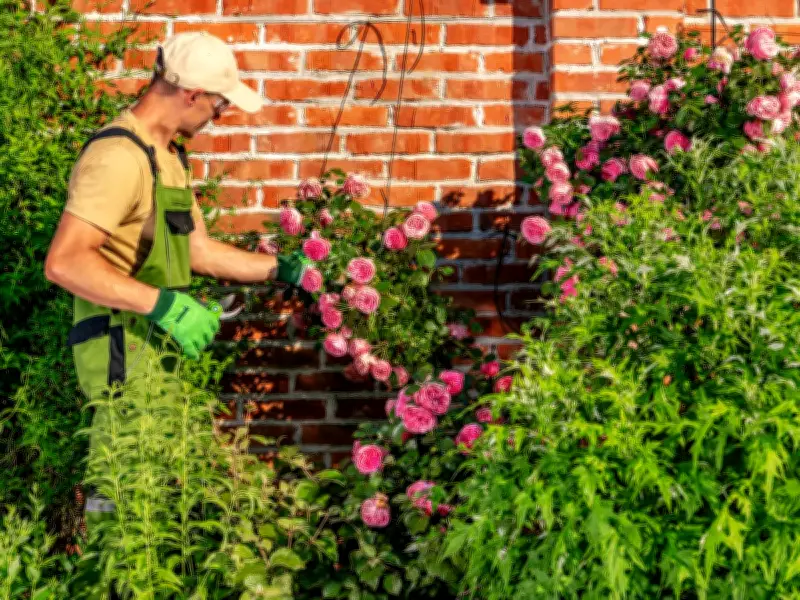
Jimmy said: "While your gardening gloves are on, deadheading spent flowers encourages new blooms and keeps your plants looking neat and healthy. Use a clean pair of secateurs or garden scissors to snip just above a new bud or leaf. It's a small job that can be done in the cooler parts of the day and makes a noticeable impact, especially during prolonged dry spells when plants are under more stress."
Attaching a Trellis to a Wall or Fence
Jimmy said: "Building your own trellis is relatively straightforward and can add some extra greenery to your garden or make use of empty space. Start by coating the trellis itself with an outdoor wood protector to prevent the wood from rotting, and leave to dry."
"If affixing to a wall, you need to provide enough space behind for the plants to climb. You'll therefore need to fix the trellis to a batten first to ensure there's enough room for you to wind your finger around. A batten is just a strip of wood or metal that you can affix something to."
"Fix the battens to the fence or wall at the points where the top and bottom of your trellis will sit and attach the trellis, leaving space at the bottom to avoid contact with the ground. Some trellises do come with a back panel, which provides a gap between the slats and the fence. If yours does, you won't need to attach battens."
"Now all that's left to do is pick your plants. Ivy, clematis, and honeysuckle are all able to climb and thrive when left alone."
Clean Garden Furniture
Jimmy said: "Many outdoor cleaning jobs are typically done with a pressure washer, however during a hosepipe ban, using this much water wouldn't be allowed. Given the warm weather, we understand people will want to be outside enjoying their garden spaces, so a more water-efficient alternative would be filling a bowl of warm, soapy water and using this opportunity to manually clean your garden furniture and get it looking good as new and help increase its lifespan."
"For wooden furniture, first brush away any loose dust and dirt using a sponge or stiff brush before applying your cleaning solution in small circular motions. Specially formulated garden furniture cleaners are a great option, or for a homemade alternative, try a mixture of bicarbonate of soda and vinegar."
"A bucket of warm, soapy water should do the trick on plastic or cast-iron furniture, just make sure to use an old toothbrush to get out all the hidden dirt in any of the intricate patterns usually found on cast-iron furniture."