Environment Minister Gives Crucial Update on Four-Bin Recycling Scheme
Environment Minister Mary Creagh has issued a significant statement regarding the Simpler Recycling plans, which local councils across England are mandated to implement by the start of next month. This initiative, set to launch in April, represents a substantial overhaul of household waste management, aiming to standardise recycling practices nationwide.
Details of the Simpler Recycling Legislation
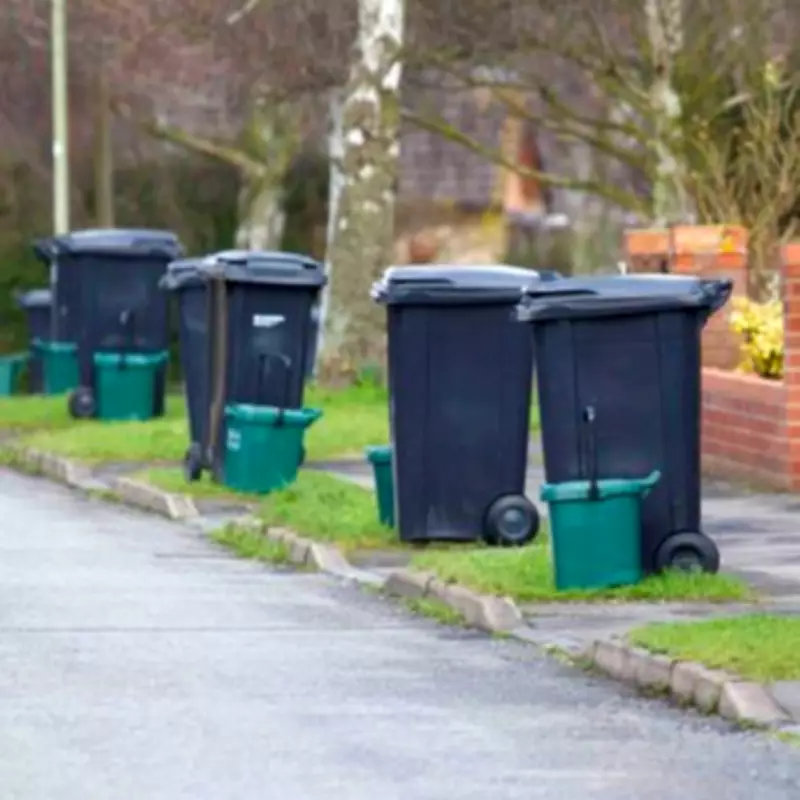
The new legislation stipulates that every household will be provided with four separate bins for waste disposal. Under this system, residents will use one bin for glass, metals, and plastics; another for paper and cardboard; a dedicated container for food waste; and a fourth for residual, non-recyclable materials. The primary objectives are to reduce the frequency of collections and offer clear, consistent recycling instructions to the public.
While the government is pushing for uniformity, local authorities will retain some flexibility in how they collect these materials. However, the default requirement for most households and workplaces will include containers for residual waste, food waste (which may be mixed with garden waste where appropriate), paper and card, and all other dry recyclables such as plastic, metal, and glass.

Challenges and Delays in Implementation
Despite the March 31 deadline for food waste collections, many councils are struggling to organise the necessary logistics in time. Over a quarter of English local authorities are expected to miss this official deadline, citing issues such as the need for new specialist vehicles and funding constraints, even after receiving more than £340 million in grants from the Department for Environment, Food and Rural Affairs (Defra).
In a recent interview with the BBC, Minister Creagh acknowledged these difficulties but emphasised a pragmatic approach. She suggested that it is preferable to introduce the scheme gradually, ensuring "consent and logistics are in place," rather than rushing implementation and risking errors. She expressed confidence that the public would support the initiative, noting that people are keen to do "the right thing."
Benefits and Public Reception
Creagh highlighted the environmental advantages of the new system, particularly regarding food waste. She expressed concern over excessive food waste ending up in landfills, where it produces harmful gas emissions and unpleasant odours. Instead, she described food waste as "really useful stuff," explaining that it can be used by farmers as fertiliser and the gas it emits can be harnessed as green energy to heat homes and generate electricity.
She described the launch of food waste collections as "really exciting" and was optimistic that the public would understand the goal of enhancing recycling efforts. Over half of local authorities already offer food waste collections, and Creagh noted that people appreciate the benefits of compost, especially when provided with secure, fox-proof caddies.
Broader Context and Future Goals
The Simpler Recycling scheme is part of a broader push to boost recycling rates, which have plateaued in recent years. The government has set a national target of achieving a 65% recycling rate by 2035. Defra has stated that this initiative will end the "postcode lottery" of bin collections in England, where different councils collect varying materials, causing confusion for households.
Through Simpler Recycling, all householders will receive comprehensive and consistent waste and recycling services. This will enable them to recycle as much waste as possible and dispose of bad-smelling food waste frequently, with collections scheduled at least weekly. Defra maintains that local authorities will have the flexibility to deliver these changes in the most appropriate way for their areas, ensuring a balanced approach between standardisation and local needs.