Five Essential Plants to Add to Your Garden Before April for Wildlife
Five Plants to Add Before April for Wildlife Support

As winter finally draws to a close, giving way to the gentler embrace of spring, a critical shift occurs in the natural world. With rising temperatures, pollinators such as bees begin their vital cycles of nesting and reproduction. For gardeners eager to foster a buzzing, vibrant ecosystem, creating a welcoming habitat is paramount.

Why Timing Matters for Bee Survival

Morris Hankinson, Managing Director of Hopes Grove Nurseries, emphasises that British gardeners can play a decisive role in bolstering bee populations with just five specific plant varieties. He explains, "Despite a surge in public interest, bee activity often fails to align with what is flowering in our gardens, and many are unaware of the straightforward gardening practices that can safeguard these essential insects."

Hankinson warns, "If nectar sources are scarce in March and early April, bee colonies can become weakened before the season has truly commenced." This underscores the urgency of planting before April, providing bees with the optimal opportunity to thrive, as highlighted in recent reports.

The Five Bee-Friendly Plants to Prioritise

Goat Willow (Salix caprea)

This shrub produces pollen-rich catkins in early spring. Its premature flowering makes it an indispensable food source for queen bumblebees, which commence their search for sustenance in March as spring unfolds.

Honeysuckle (Lonicera periclymenum)

Renowned for its intense fragrance and abundant nectar, honeysuckle delights both humans and bees alike. It can be trained to climb trellises or grown as shrubbery, depending on the variety, infusing your outdoor space with a beautifully soothing aroma.

Lungwort (Pulmonaria officinalis)

These plants offer excellent ground coverage in garden borders. They bloom early and prolifically, creating a wonderful resource for any visiting pollinators during the critical spring period.

Hawthorn (Crataegus monogyna)

Birds are particularly fond of the berries from hawthorn, while pollinators adore its flowers, making this an ideal choice for a garden rich in wildlife. It forms a superb hedge and blooms spectacularly in spring for a stunning visual display.

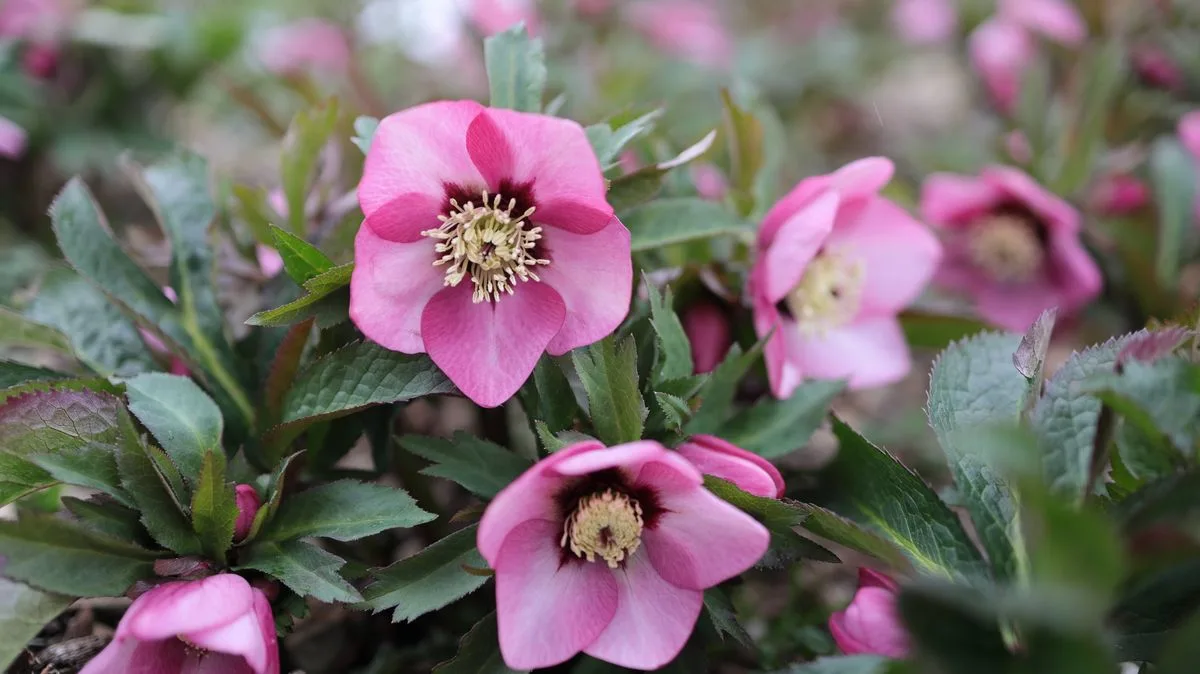
Hellebores (Helleborus orientalis)

These plants bloom from late winter into early spring, a time when nectar is notoriously scarce. This provides a much-needed boost for pollinators and encourages them to return repeatedly to your garden throughout the season.

By incorporating these five plants into your garden before April, you not only enhance its beauty but also contribute significantly to the health and survival of vital pollinator populations, ensuring a thriving ecosystem as spring progresses.




