After years of watching expensive plants wilt and struggle in a sunny balcony garden, one gardener has found a flower that thrives on neglect and keeps blooming for months on end: French marigolds.
The Struggle with Hydrangeas and Other Plants
Millie Bull, Deputy Editor of Spare Time, describes her south-facing balcony as ideal for catching the sun but problematic for most flowers, which fade and perish during the first heatwave of summer. The balcony receives afternoon sun for five to six hours daily, subjecting plants to extreme temperatures. Despite repositioning pots and watering thoroughly each morning and evening, many plants succumbed to heat stress and sun damage.
Hydrangeas were a particular disappointment. According to Bull, hydrangeas flourish in partial shade with soft morning sun and shelter from fierce afternoon rays—conditions difficult to create on her balcony. They also require reliably moist, well-drained soil, which is challenging to sustain in containers. Living near the coast, her balcony faces battering winds, making plants like peonies, climbers, fuchsias, and roses difficult to grow due to fragile stems and shallow root systems.
The Discovery of French Marigolds
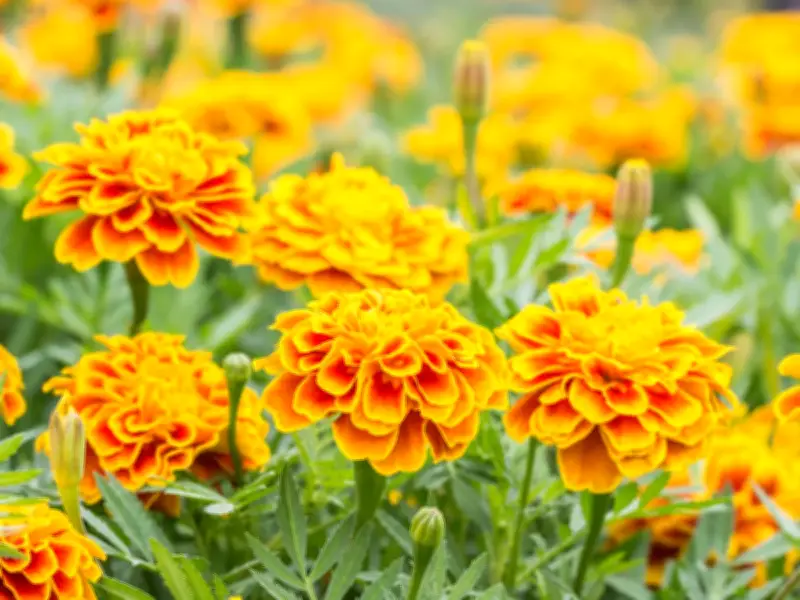
Rather than roses, hydrangeas, and other fashionable yet high-maintenance plants, Bull relies on French marigolds to keep her garden vibrant season after season. Marigolds are half-hardy annual flowers that bloom repeatedly throughout spring, summer, and early autumn. They come in a vast array of colours, including deep red, orange, and yellow. French marigolds have proved most successful in her garden.
The plants boast delicate, feather-like foliage and emit an aromatic, citrusy fragrance. While the scented leaves may not smell as lovely as roses, they serve another valuable function: they ward off pests. Bull originally planted marigolds as companion plants to keep aphids away from her tomato plants. Even after giving up tomatoes, the marigolds kept her strawberries, potatoes, and nasturtiums completely pest-free.
Benefits for Pollinators
While deterring pests, marigolds simultaneously attract pollinators. Bumble bees, hoverflies, and butterflies are regular guests in Bull's garden, enhancing biodiversity.
How to Grow Marigolds
Bull typically sows marigold seeds on her balcony in mid-spring, once the frost risk has passed and temperatures are consistently warm. Depending on location, sowing may need to wait until late spring or early summer. One reason marigolds are beloved is how rapidly they flower—blooms often appear just a fortnight after sowing, providing immediate confirmation of successful germination.
If temperatures remain too chilly or no shoots emerge within a week, simply pause for a few weeks and try again. Sowing marigolds is easy: scatter the seeds thinly onto damp, peat-free multipurpose compost in pots, leaving roughly 10cm between each seed to prevent overcrowding. The secret to thriving marigolds lies in sunlight—they require full sun to flower abundantly, making a south-facing balcony perfect for them.
Growing Marigolds Now
With reliably warm weather, marigolds can be planted now. For immediate blooms, pick up marigold plugs or potted plants from a local garden centre and place them directly into containers or borders. Alternatively, marigold seeds can still be sown during the summer, provided they are kept well-watered and positioned in direct sunlight.
Maintenance Tips
Until marigolds are properly established, they need watering every day. Once settled, they demand very little attention—just water them twice weekly or whenever the soil feels dry. During heatwaves, water marigolds once in the morning, and on days where temperatures peak above 30°C, give them a second watering in the evening.
As blooms begin to fade, pinch them off to encourage fresh flowers to grow. Come late summer and early autumn, allow the dying flowers to turn to seed, then gather them for planting the following year. Dried flower heads can also be left in place to self-seed naturally.
Flowering Duration
Marigolds typically bloom for three to four months, though in milder UK climates they can flower from April through to October. As long as spent blooms are deadheaded and the plants receive full sun and regular water, they will continue to flower and produce new buds.