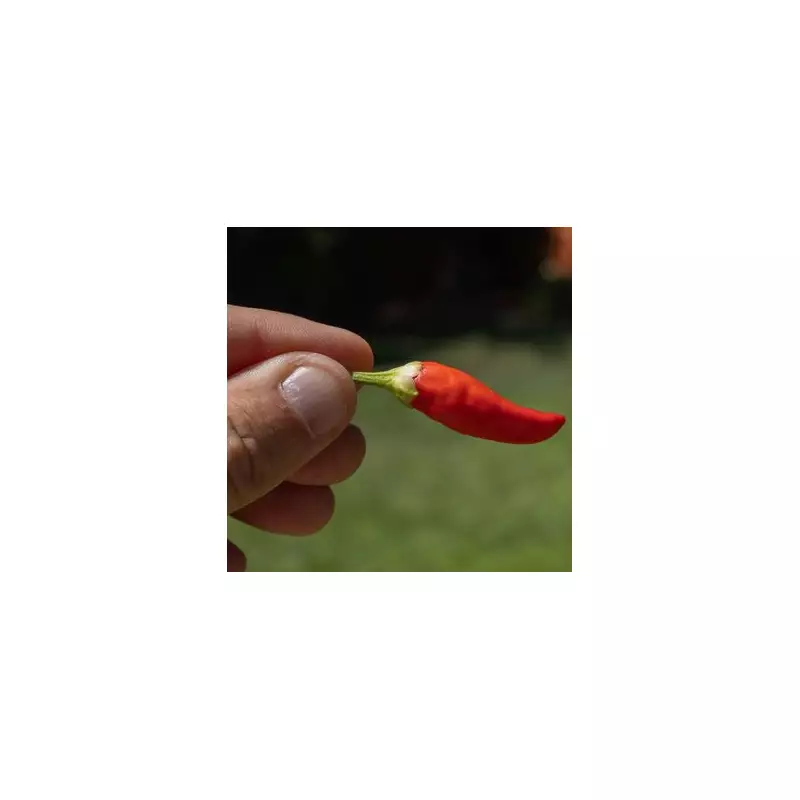
As January unfolds, a gardening expert is urging green-fingered enthusiasts and novices alike to stop discarding a common kitchen item and instead use it to cultivate a bountiful crop for free. Michael Griffiths, a passionate horticulturalist known for sharing his tips on social media, has revealed that chilli and pepper seeds typically thrown in the bin have a super important use in the garden.
The Simple Trick to Free Plants
In a recent social media post that has garnered significant attention, Griffiths demonstrated an incredibly straightforward propagation method. He advises saving the seeds the next time you chop a pepper or chilli. Simply place the leftover seeds into a container filled with moist compost, give them a light covering of more compost, and then put the lid on to create a miniature greenhouse environment.
He recommends keeping the container in a warm, bright spot. "Within a few weeks they'll be ready for a roomier home," he explains. The process proves that one single pepper can yield an entire crop, making it an exceptionally budget-friendly and space-efficient way to grow your own produce.

Why January is the Prime Time to Start
Timing is crucial for success, and Griffiths provides clear guidance. He states that January is prime time for starting chilli seeds, with sweet peppers best begun in February. This schedule allows the plants ample time to establish themselves indoors before potentially moving outside when the weather warms.
The expert's advice has resonated widely, with his instructional clip receiving over 9,000 likes and a flood of positive comments from eager gardeners. One follower shared their success, stating, "I did this last year. Got lots of pepper. I had to freeze them as [there were] way too many to eat at one time."
Maximising Your Garden's Potential
This tip underscores a broader principle of resourcefulness in the garden. Instead of viewing seeds from shop-bought produce as waste, they can be a valuable source of new plants. While results can vary compared to dedicated seed packets, the method is an excellent, low-cost introduction to growing your own food.
Griffiths's key message is a call to action: people should start taking action now to maximise the potential of their seeds. By turning kitchen scraps into productive plants this winter, gardeners can ensure a home-grown supply of chillies and peppers for the seasons ahead.