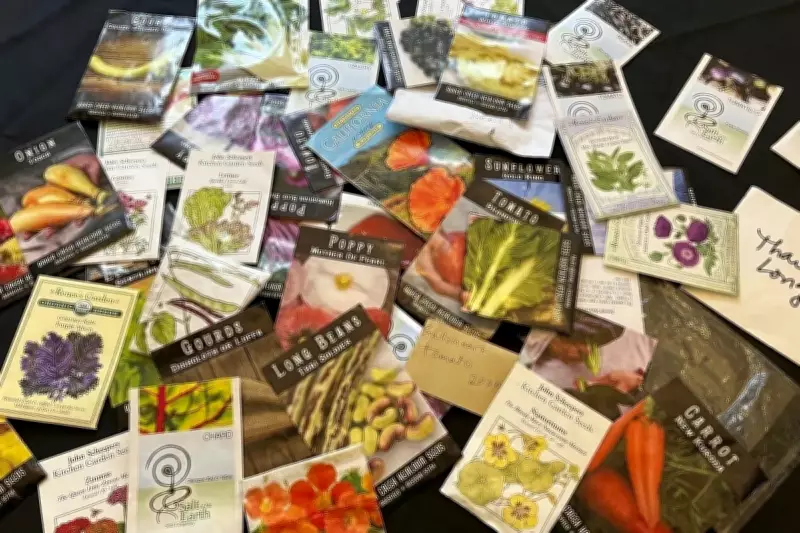
Seed packets may appear simple at first glance, but they often conceal crucial instructions and employ bewildering jargon that can leave gardeners frustrated. Jessica Damiano, writing on Tuesday 03 March 2026, highlights how this confusion can turn a straightforward task into a source of expletive-filled rants. However, with a comprehensive glossary at hand, you can navigate these terms with ease, ensuring you know exactly what you're buying and what your plants will need.
Timing Your Indoor Seed Starting
Most seed packets recommend starting seeds indoors a specific number of weeks before the average last frost date in your region, such as "4-6" or "6-8" weeks. To determine this date, use tools like The Old Farmer's Almanac by entering your ZIP code. Mark this date on your calendar and count back the recommended weeks to schedule your indoor planting. This timing is vital for ensuring seedlings are ready for transplanting outdoors at the optimal moment.
Conversely, if instructions state, "When the danger of frost has passed," note that this differs from the average last frost date. The latter is an average, not a guarantee, and the danger period can extend about a month later depending on your area. Understanding this distinction helps avoid premature planting and potential frost damage.

Essential Gardening Terms Explained
Before heading to the nursery, familiarize yourself with key terms to make informed choices and avoid confusion.
Plant Life Cycles
- Annual: A plant that completes its entire life cycle within one year.
- Biennial: A plant that takes two years to complete its life cycle, typically producing seeds only in the second year.
- Perennial: Plants with life cycles longer than two years. They may die back in winter and return annually or remain active year-round, especially in warmer climates.
Planting Methods
- Broadcast: Spreading seeds over a large area instead of planting in rows, often used for small seeds that require later thinning.
- Thinning: Removing overcrowded seedlings to allow the strongest plants access to nutrients, water, sunlight, and air circulation, typically done after broadcasting.
- Direct Sowing: Planting seeds directly in the garden rather than starting them indoors in containers.
Seed and Growth Metrics
- Germination Rate: Expressed as a percentage, this indicates the expected number of seeds that will sprout from a packet.
- Days to Maturity: The time required for a plant to produce a harvest, counted from germination for direct-sown seeds or from transplanting for indoor-started ones.
Sunlight Requirements
Understanding sunlight terms is crucial for plant health:

- Full Sun: Requires at least 6-8 hours of direct sunlight daily.
- Part Sun: Needs 4-6 hours of sunlight daily.
- Part Shade: Requires 3-6 hours of sunlight daily.
- Full Shade: Less than 3 hours of direct sunlight.
- Deep Shade: Sunlight rarely reaches the area due to trees or buildings.
- Dappled Shade: Filtered sunlight through overhead branches, creating light, spotty shade.
Plant Characteristics
- Resistance: Indicates breeding to resist specific diseases or pests, with abbreviations like A for Anthracnose or PM for powdery mildew.
- Open-Pollinated: Naturally pollinated plants whose seeds can be saved and replanted to produce identical offspring.
- Heirloom: Open-pollinated plants passed down for at least 50 years, often with historical or cultural value.
- Hybrid: Cultivated by cross-pollination to acquire traits like disease resistance or color, but seeds do not produce identical plants.
- F1: Short for "first filial," meaning the first generation from a hybrid cross.
- Non-GMO: Seeds whose DNA has not been genetically modified in a laboratory.
Seed Preparation Techniques
- Scarify: Scratching, soaking, or nicking hard seed surfaces to aid germination.
- Stratify: Exposing seeds to cold temperatures to mimic winter conditions necessary for spring germination.
Jessica Damiano, who writes weekly gardening columns for the AP and publishes the award-winning Weekly Dirt Newsletter, provides these insights to empower gardeners. By mastering this glossary, you can approach indoor planting with confidence, ensuring successful growth and avoiding common pitfalls.