Dairy farmers across Britain are waking up to crippling daily losses, with some facing a deficit of £1,800 before the day has even begun. This is the stark reality of a perfect storm hitting the industry, where the cost of producing milk now far exceeds the price paid by processors.
The Stark Daily Reality
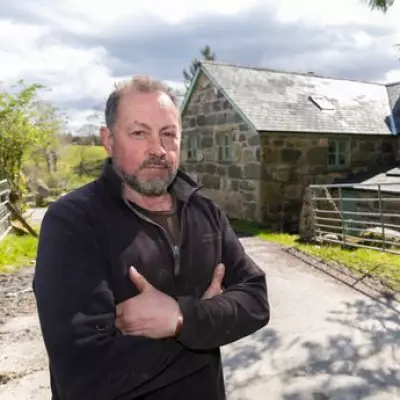
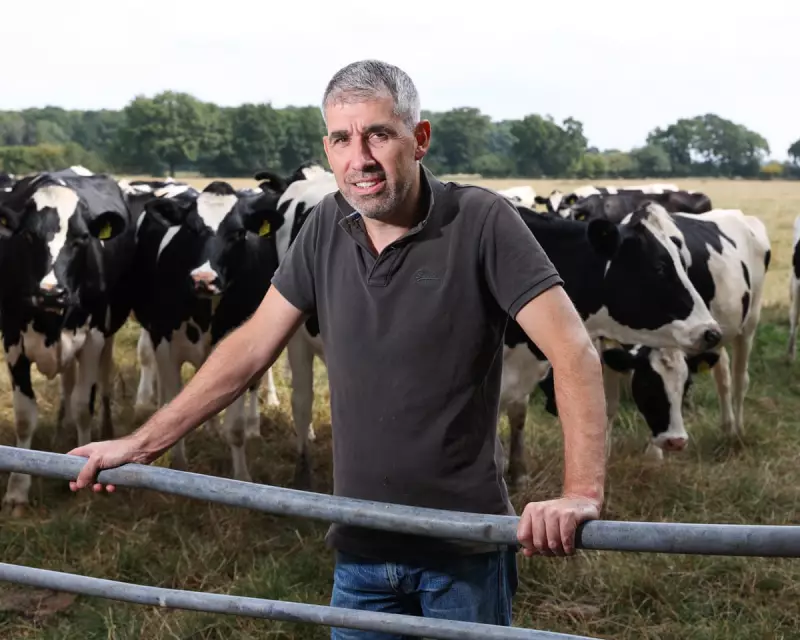
Paul Tompkins, a third-generation farmer running a 234-hectare farm in the Vale of York with 500 Holstein cows, embodies the crisis. He can produce milk for approximately 40p per litre but is receiving only 29p from his processor. "Every morning that I roll out of bed at 4.40am, I know I'm losing £1,800 that day, just by getting up," he states.
Tompkins, who chairs the dairy board at the National Farmers' Union (NFU), is not alone. His production costs mirror the national average. He benchmarks against peers, noting, "Dairy farmers are really good at sharing information." The collective effort is to "do more with less," but the financial mathematics are brutal. If prices stay at current levels, his farm faces an annual loss exceeding £660,000.

A Global Glut and Local Pressures
The root cause is a global oversupply of milk, outpacing demand. Mike Houghton, a farm consultant at Andersons, describes a "scary time for producers." Increased output in the United States and sustained production in New Zealand, coupled with stagnant buying from China, has created a market flood. "It all comes together and is a perfect storm. There is too much milk," Houghton confirms.
In the UK, production was 7% higher in the last quarter of 2025 compared to the five-year average, according to the Agriculture and Horticulture Development Board (AHDB). A dry spring and drought in early 2025 led to farmers buying then-cheap feed, resulting in record-breaking yields from well-nourished herds. Processors have been overwhelmed, with some milk being discarded.
An Industry on the Brink
The price shock compounds existing pressures from soaring fertiliser and fuel costs, post-Brexit labour shortages, and government tax changes. The result is an exodus. Since October 2019, nearly 20% of British dairy producers have quit, falling from 8,720 to 7,010.
Houghton predicts a further 10%—around 700 farmers—could leave for good. "If you have got to reinvest... which won't put on the bottom line, then why would you do all that at a milk price of 35p?" he questions. Robert Craig, chair of the Royal Association of British Dairy Farmers, summarises: "Unless you're on a cost-of-production-aligned retail contract now, you're losing money."
While some supermarkets like Tesco and Sainsbury's have cost-linked contracts, many farmers have no choice in their processor or price. Environment Secretary Emma Reynolds has pledged government support, praising farmer resilience, but concrete relief remains elusive.
Will Shoppers See Cheaper Dairy?
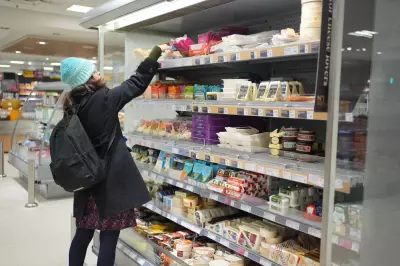
Consumers hoping for immediate price cuts may be disappointed. The AHDB indicates a typical seven-month lag before lower farmgate prices reach shops. Retail butter prices may not fall until April, with the biggest drops from June. Cheddar prices might only start decreasing from July.
Morrisons has recently cut some milk, butter, and cheese prices. However, for items like coffee-shop cappuccinos, savings are unlikely. Jeffrey Young of Allegra Group notes that milk is just one cost among many, with rents and rising minimum wages exerting greater pressure on cafes.
The crisis underscores the fragile link between global commodity markets, national food security, and the survival of family-run farms. As farmers weigh their futures, the industry's structure continues to shift towards fewer, larger herds, raising profound questions for the British countryside.