
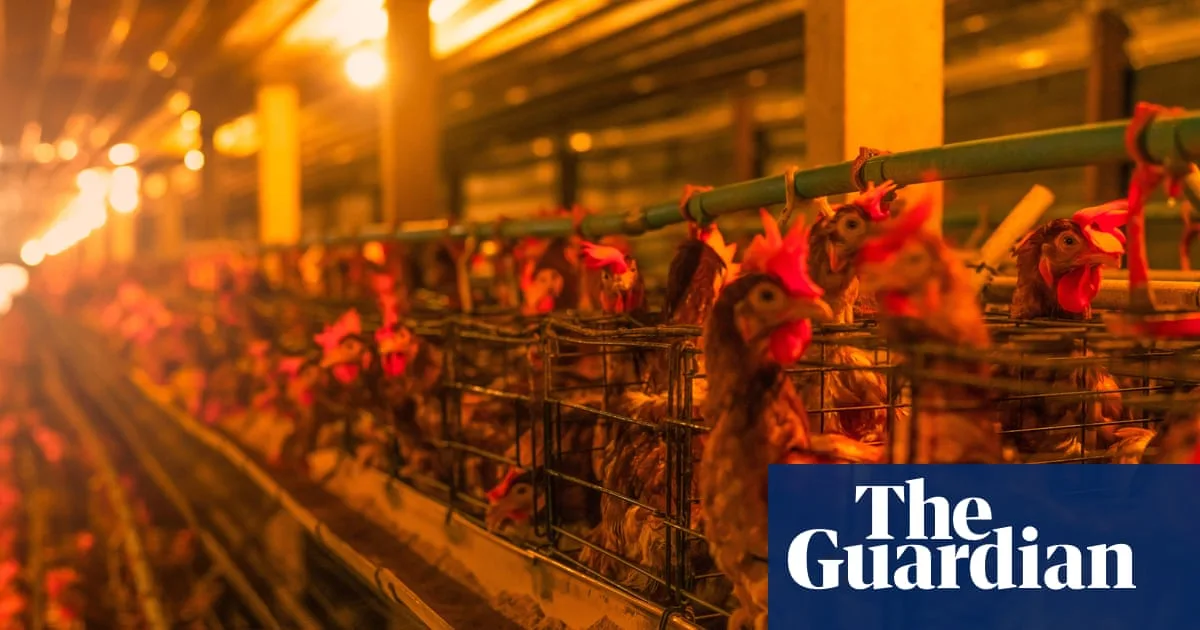
Ministers are rewriting planning rules to make it easier to build intensive livestock farms, despite concerns over water pollution, air quality, and local opposition. Documents obtained under the Freedom of Information Act reveal that proposed changes to the National Planning Policy Framework (NPPF) were discussed in response to lobbying by the country’s leading chicken producers.
The British Poultry Council (BPC), representing the sector, told farming minister Angela Eagle last autumn that access to more growing space is the “number one priority”. In a submission to the government’s farm profitability review, the BPC said the need for planning reform “dwarfs all other issues”. At a January roundtable, Eagle stated that planning should “enable ambition, not stifle it”.
The draft NPPF includes measures to make it harder to refuse applications on environmental grounds, reduce local authorities’ ability to adopt tougher rules, and give greater weight to “domestic food production”. The industry argues that reforms are needed to accommodate voluntary welfare improvements, such as lower stocking densities, rather than to expand production.
Critics, however, say the food security case for intensive poultry is “illusory”, as the sector depends on imported feed and vitamins and increases vulnerability to disease outbreaks. Agriculture is the leading cause of water pollution in the UK, with intensive poultry units contributing to nitrate and phosphorus pollution. Last year, councillors in Norfolk rejected plans for one of Europe’s biggest chicken farms due to environmental concerns.




