The global cocoa market is experiencing a severe crisis that is devastating West African farmers, with beans rotting in warehouses and traditional livelihoods being abandoned after a dramatic price crash. In Ghana and Ivory Coast, which together produce nearly 70% of the world's cocoa beans, farmers are taking desperate measures to survive, including leasing their land to illegal sand and gold miners.
From Prosperity to Desperation
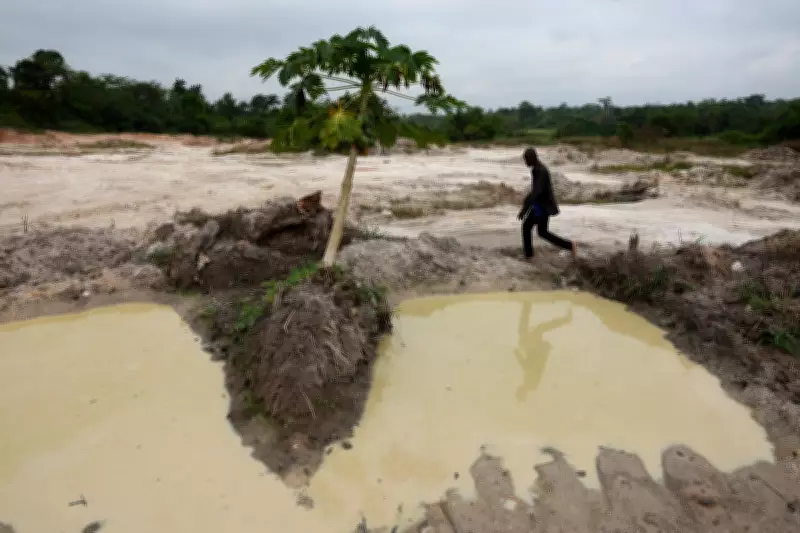
Manu Yaw Fofie, a 52-year-old cocoa farmer in Ghana, represents the human cost of this economic collapse. Born into the cocoa farming business, he has watched his annual yields plummet from 300 bags during better times to just 50 bags in 2025. With cocoa prices crashing, he has been forced to lease part of his family land to illegal sand miners, despite knowing this will render the soil infertile for future farming.
"If I keep this cocoa farm for the next 10 years, I would die a poor man," Fofie stated bluntly, capturing the desperation felt across the region. His situation is far from unique, with thousands of farmers in both Ghana and Ivory Coast facing similar impossible choices.

The Price Rollercoaster
The crisis stems from a dramatic boom-and-bust cycle in cocoa futures. After reaching historic highs of over $12,000 per metric ton in 2024, prices crashed to around $4,000 as supply outstripped demand. This sudden downturn left global traders facing significant losses if they purchased beans at government-set prices, leading to massive stockpiles of unsold, rotting cocoa.
Edward Karaweh, former general secretary of Ghana's General Agricultural Workers Union, explained that while commodity markets are prone to occasional crises, "Preparation allows you to mitigate the crisis. It is not that you prevent the crisis altogether." He suggested authorities were unprepared for the scale of this particular market collapse.
Government Responses and Farmer Protests
Both Ghanaian and Ivorian governments have taken drastic measures to address the crisis. Ghana slashed its fixed cocoa price by 28% to 41,392 cedis ($3,881) per metric ton in January, while Ivory Coast this week reduced payments to farmers by more than half to 1,200 CFA ($2.13) per kilogram for the 2026 season.
These price cuts have sparked protests from farmers who say their profit margins have become unsustainable. Mercy Amponsah, a 50-year-old cocoa farmer from Ghana who joined protests in Accra in January, stated plainly: "Accepting the current price means my son will have to drop out of school."
The Mining Alternative
With cocoa becoming increasingly unprofitable, many farmers are turning to more lucrative alternatives. François N'Gbin, a farmer in Ivory Coast, has leased part of his land to illegal gold miners and even obtained a mining license out of fear of authorities. Standing beside a mining area covering at least 1,000 square meters on his former cocoa farm, he explained: "Today, gold is more profitable than cocoa. We get 1,500 CFA francs ($2.67) per gram of gold, and we're about to negotiate an increase."
Moussa Koné, president of the Ivorian cocoa farmers' union, confirmed this trend is widespread. "Cocoa is not selling, but farmers still need money to feed their families," he noted, explaining why so many are turning to illegal mining operations despite the environmental damage they cause.
Structural Challenges and Climate Pressures
The crisis is compounded by multiple structural issues. Government regulators in both countries typically set fixed prices at the beginning of each planting season, with most beans sold through government-licensed parties to protect farmers from international market fluctuations. However, this system meant farmers missed out on benefiting from the original price surge before the crash.
Climate change is adding another layer of difficulty. Walking through his cocoa trees in Ivory Coast, N'Gbin pointed to blackened, dried-up pods caused by disease and insufficient rainfall. These environmental pressures are reducing yields even as economic pressures mount.

Regional Dominance Under Threat
While cocoa producers in South America and Asia have improved their supply capabilities, West Africa still dominates global production. The region's farmers contribute significantly to national economies, with cocoa bean exports making up 40% of total export revenue in Ivory Coast and nearly 15% in neighboring Ghana.
Yet this economic importance hasn't translated into security for the hundreds of thousands of farmers who rely on cocoa for their livelihoods. As Fofie's story illustrates, many are now making decisions that will permanently alter both their personal futures and the agricultural landscape of West Africa.
The cocoa crisis represents more than just a market correction; it's a fundamental shift that is forcing West African farmers to reconsider their relationship with the land that has sustained generations. With beans rotting and prices collapsing, the sweet promise of cocoa has turned bitter for those who grow it.