Expert Guide to Selecting the Perfect Mulch for Your Garden
As spring weeding gets underway, many gardeners turn their attention to mulching – spreading a protective layer around plants in beds and borders. This crucial step serves multiple purposes: suppressing weeds, retaining soil moisture, and adding valuable nutrients. However, with numerous options available, choosing the right mulch can be confusing.
The Aesthetics Versus Functionality Dilemma
David Stanford-Beale, doctor of entomology at MAD (Make A Difference) Company, which develops organic and sustainable growing products, observes that most gardeners prioritize appearance over practical considerations. "Nine times out of ten, customers choose aesthetics above nearly everything else," he explains. "They want something that simply looks attractive in their garden, similar to how they select houseplants."
Stanford-Beale notes that only about one gardener in ten carefully examines ingredients, provenance, and what they're actually introducing to their soil. His advice is straightforward: "When selecting mulch at your garden centre, read the bag carefully, check its origin, and whenever possible, buy locally sourced products."

Compost: Nutrient-Rich but Potentially Costly
Whether homemade or purchased, compost provides essential nutrients for hungry plants like roses and hostas while suppressing weeds. The Royal Horticultural Society (RHS) recommends using compost on all soil types to improve moisture retention and soil structure. However, they caution against spreading it around plants such as lavender or salvias, which thrive in drier, nutrient-poor conditions.
Be aware that some compost may contain weed seedlings requiring removal as they appear. Stanford-Beale adds an important financial consideration: "If you have a large area and aren't making your own compost, purchasing bags can become quite expensive for mulching purposes."
Farmyard Manure: Rich but Must Be Well-Rotted
This nutrient-dense option excels at moisture retention and enriching soil in beds and borders, making it ideal for roses, shrubs, and other nutrient-demanding plants. It improves soil structure and typically doesn't contain weed seeds. The RHS emphasizes that manure must be well-rotted to prevent plant scorching. If it emits strong odors or steam, allow additional decomposition time before application.
Straw Mulches: Quick Breakdown with Potassium Boost
"Straw-based mulches are acceptable options," says Stanford-Beale. "They have appealing appearance and scent, which customers appreciate. They decompose rapidly, releasing substantial potassium into the soil." He recommends straw mulch for raised beds or allotments in spring but cautions: "Ensure young plants and new seedlings don't receive excessive potassium all at once. Problems only arise with consecutive yearly applications leading to buildup, but sensible usage shouldn't cause issues."
Bark Chippings: Mimicking Natural Forest Cycles
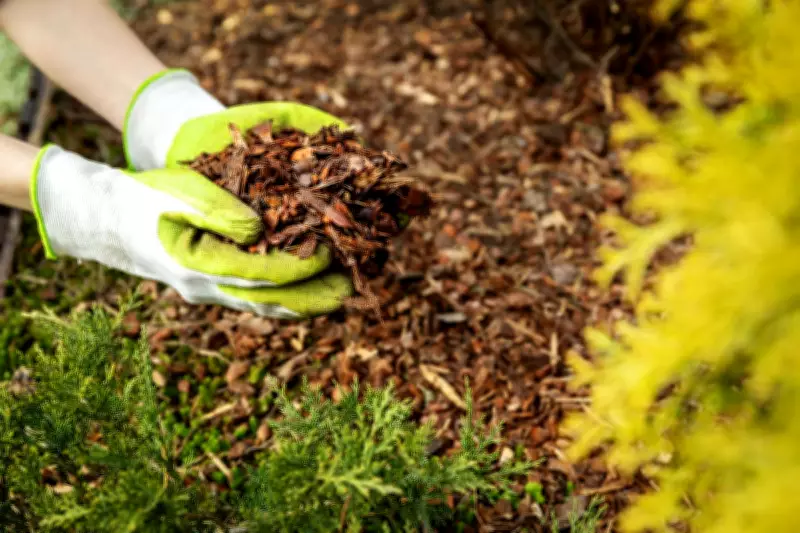
Popular for weed suppression and moisture retention, bark mulch offers additional benefits. Stanford-Beale explains: "Increased moisture reduces air circulation, creating different soil cycles that encourage worms and burrowing insects to surface and recycle the mulch. This mimics natural forest processes where fallen leaves act as mulch, stimulating ecosystems to draw nutrition downward."
He recommends using bark mulch around tree bases, ideally matching tree and bark types (oak bark for oak trees, pine bark for pine trees). Always check packaging for UK sourcing and avoid mulches containing treated wood, though identification can be challenging. Stanford-Beale warns: "Some suppliers aren't labeling responsibly, making informed choices difficult for customers. However, retailers like Crocus and Blue Diamond Garden Centres are improving by ensuring suppliers properly label product composition."

Non-Biodegradable Options: Permanent but Problematic
Materials like slate, stone chippings, pebbles, shingle, and decorative glass enhance border appearance while conserving moisture and suppressing weeds. However, Stanford-Beale highlights potential long-term issues: "These materials can scatter onto grass and damage lawnmowers. You'll likely find remnants in your beds indefinitely. If you choose something for its aesthetics today, ensure you'll still appreciate it in twenty years, because it will remain."
Optimal Mulch Depth for Maximum Effectiveness
For effective weed suppression without using weed membranes, Stanford-Beale recommends a three-inch mulch depth. He adds: "Any amount helps, even a light scattering contributes organic matter to your soil."
Ultimately, successful mulching requires balancing aesthetic preferences with practical considerations about soil needs, plant requirements, and long-term garden management. By understanding different mulch types and their specific applications, gardeners can make informed decisions that benefit both their plants and the broader garden ecosystem.