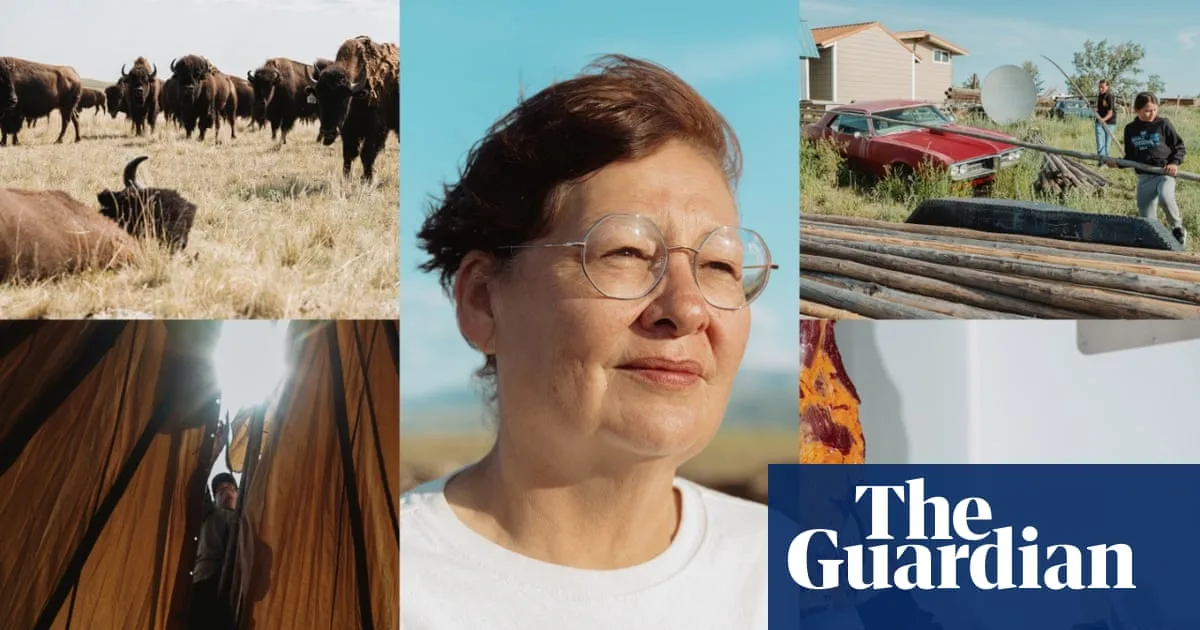
The Blackfeet Nation in northern Montana is turning to bison to address food insecurity and chronic health issues on the reservation. Only four grocery stores serve the entire area, with limited fresh produce and high prices, leading to reliance on processed foods. Rates of diabetes, heart disease and certain cancers have exceeded state and national averages for over a decade.
Bison are central to Blackfeet cultural identity, and their extermination nearly 200 years ago caused generational trauma. In 2016, the tribe implemented an agricultural resource management plan (ARMP) focused on food sovereignty and self-determination, built around five pillars: sustainable economic development, cultural knowledge, organisational development, investment in the Piikani people, and health and nutrition.
Non-profits like the Piikani Lodge Health Institute (PLHI) have emerged to support the ARMP. Founded by Kim Paul, PLHI launched a traditional foods study examining biomarker responses to a pre-colonisation diet of bison, berries, wild onions and wild carrots. A 100-day diet trial showed promising initial results, though funding cuts have slowed progress. Final lab results are expected in early 2026.
Blackfeet Community College is also involved, integrating traditional practices with modern science to promote food sovereignty among students. The community continues to work towards restoring bison as a staple food source, aiming to improve health and reconnect with cultural heritage.