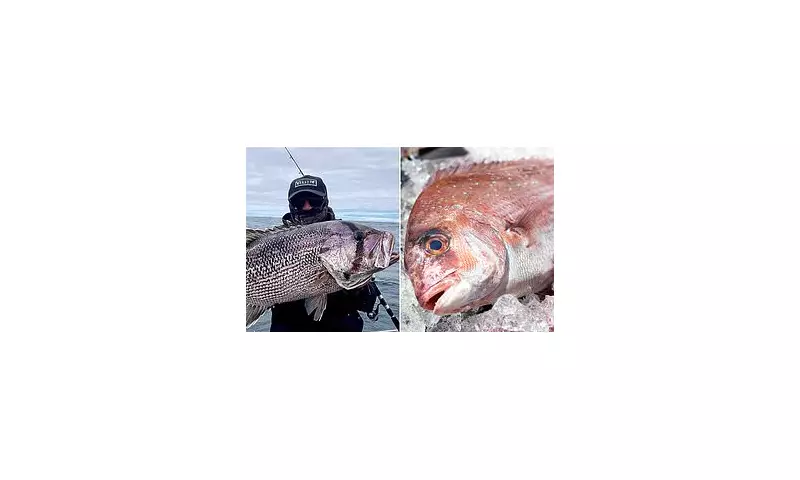
The price of popular seafood is set to rise sharply in the wake of drastic new fishing restrictions announced for Western Australia. The state government is imposing severe bans on both recreational and commercial fishing for key demersal species in a bid to rescue stocks from collapse.
Details of the Sweeping New Fishing Restrictions
The harsh new rules are scheduled to come into force on December 16. They specifically target demersal fish populations – those that live near the seabed – which have plummeted to alarmingly low levels. The affected species include prized table fish such as pink snapper, dhufish, and red emperor.
For recreational fishers, a blanket ban on boat fishing for these demersal species will be enforced along a massive 900km stretch of the west coast, from Kalbarri to Augusta. This prohibition will remain in place until at least September 2027. For commercial operators, the ban on catching these demersals is permanent.
Additional measures include outlawing trawl nets in the Pilbara region to protect dolphins and banning charter fishing for demersals around Perth. Furthermore, commercial catch limits in the Pilbara, Kimberley, and South Coast regions will be temporarily slashed by half.
Industry Shock and Government Compensation
The crisis prompting these measures was detailed in a WA government report, which revealed that dhufish spawning biomass off the Perth coastline had fallen to as low as seven per cent. A biomass below 20% indicates a population is at a high risk of total collapse.
The state government has proposed a $20 million buyback scheme for commercial licences and rebates for affected boat owners and tackle shops. However, industry figures have reacted with shock and scepticism.
Melissa Haslam, CEO of the WA Fishing Industry Council (WAFIC), said her organisation was blindsided by the scale of the bans. She told ABC Radio Perth, "We are just in a state of shock... $20 million, it would be laughable if it wasn't so serious." She expressed fears that the average person may never again enjoy these popular fish species.
Tackle shop owner Ashley Ramm was equally doubtful, stating government rebates would "absolutely not" provide enough cash flow to offset the lost income from demersal fishing.
Short-Term Pain for Long-Term Gain
Despite the economic pain, conservationists and some industry bodies acknowledge the necessity of the action. Dr Andrew Rowland, chief executive of Recfishwest, described the bans as "short-term pain, for long-term gain."
Sophie McNeill, WA Greens oceans spokesperson, welcomed the move as essential to prevent species from disappearing forever. "Today is a great outcome for our oceans," she said, citing decades of fisheries mismanagement.
The immediate consequence for consumers will be a far shorter supply of these popular fish, which will inevitably push up prices at markets and restaurants. It is noted that fishers will still be permitted to catch other species, such as tuna and mackerel.