Australian Farmers Face Fuel Crisis as Middle East Conflict Drives Up Costs
Australian Farmers Face Fuel Crisis Amid Middle East Conflict

Australian Farmers Confront Fuel Shortages as Global Tensions Escalate

Farmers across Australia are raising urgent alarms over dwindling fuel supplies, directly linked to the ongoing conflict in the Middle East, with fears that this will inevitably drive up costs for families at supermarket checkouts. Major petrol wholesalers, including industry giants BP, Ampol, Mobil, and Viva, have begun restricting sales to contracted buyers as global oil prices surge per barrel.

Supply Constraints and Price Hikes Hit Agricultural Sector

Many Australian farmers, who often rely on ad hoc deliveries rather than long-term contracts, are now struggling to secure fuel at predictable prices. Wholesalers such as United Petroleum are also implementing rationing measures, exacerbating the crisis. Disruptions in fuel availability are poised to impact both production and transport, creating a ripple effect that could significantly increase consumer prices.

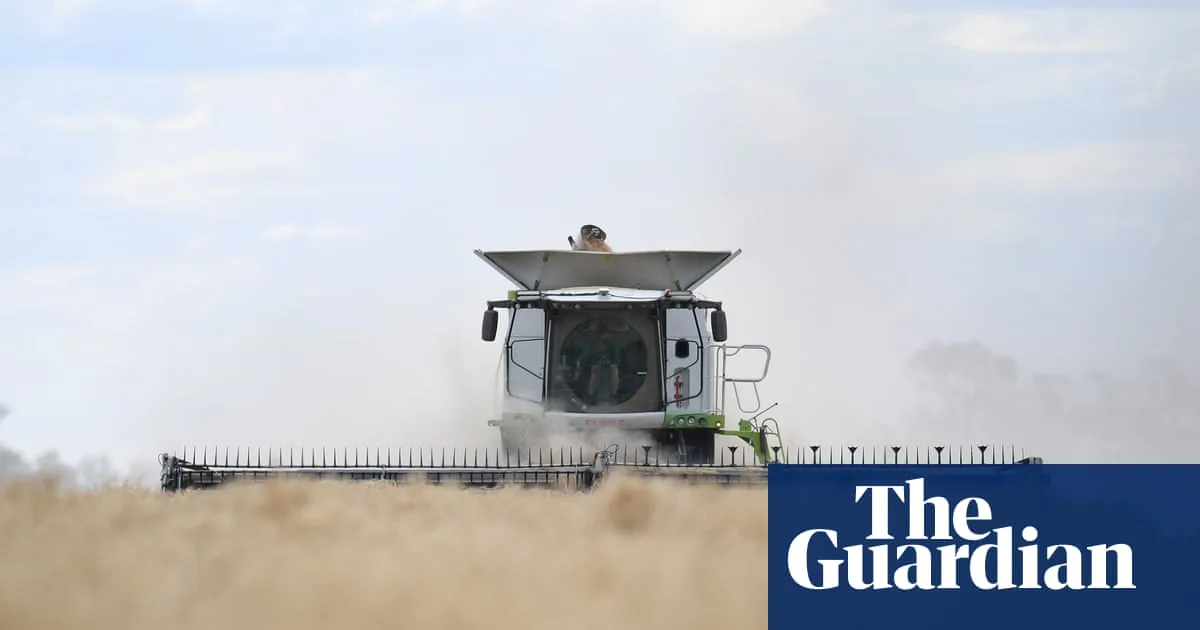
Reports indicate that fuel deliveries are becoming increasingly difficult to secure, with prices skyrocketing. Farmers emphasize that fuel is not only essential for operating tractors and harvesters from dawn to dusk but also for transporting produce to wholesalers. In many areas, the price of diesel has surged to over $2.30 per litre, with some locations, like the regional Queensland hub of Toowoomba, experiencing outright shortages.

Political and Industry Responses to the Crisis

Nationals leader David Littleproud has voiced deep concern, stating that farmers are already facing challenges in securing forward fuel contracts at agreed prices and obtaining reliable supply quotes. 'Farmers cannot get the fuel they need in regional and rural areas right now, which is placing enormous pressure on the agriculture industry,' he warned. Littleproud further emphasized that 'every Australian should be alarmed' as fuel shortages could lead to dire consequences: 'No diesel. No tractors. No harvest. No food. It's that simple and that serious. When supply drops, prices surge. Every family in this country will pay the price at the checkout.'

On the ground, farmers like Queensland's Leyton Free report running out of petrol within days, while cattle grazier John Lowe notes diesel prices in some regions have jumped by about 40 cents per litre. In one stark example, a producer locked in a delivery of approximately 27,000 litres at $1.70 per litre, only to later be informed the price had escalated above $2.

Underlying Factors and Broader Implications

The NSW Farmers committee chair highlighted that a dry summer led many to defer costs, creating a 'perfect storm' when combined with recent rainfall and simultaneous supply issues. John Lowe, who operates a cattle breeding and grazing business in the NSW Central Tablelands, expressed that the uncertainty has already disrupted planning: 'The crops we thought we were going to plant, we may not get to plant,' he said, noting potential flow-on effects on cattle grazing and necessitating difficult discussions with bankers.

Fuel retailers attribute part of the disruption to panic buying and wholesalers prioritizing existing contracts. Rowan Lee, chief executive of the Australian Convenience and Petroleum Marketers Association, told AAP: 'Unfortunately, there has been some panic buying of diesel which has depleted stock in some areas; however, these sites have been quickly replenished.'

Government Assurance and Future Outlook

Despite the challenges, the federal government maintains that Australia's fuel security remains robust. Energy Minister Chris Bowen asserted that the country is above minimum fuel stockholding levels and cautioned companies against exploiting the crisis: 'Australia's fuel pricing follows global markets, but the government has been clear - this is an international crisis, not a commercial opportunity.' He urged the industry to ensure farmers and smaller businesses can access necessary fuel.

An Australian Retail Council spokesperson noted that retailers have not yet reported shortages or supply-chain issues, with any potential impacts likely to manifest over the longer term. However, the immediate concerns from the agricultural sector underscore the critical link between fuel availability, food production, and consumer costs, highlighting a pressing issue for policymakers and the public alike.