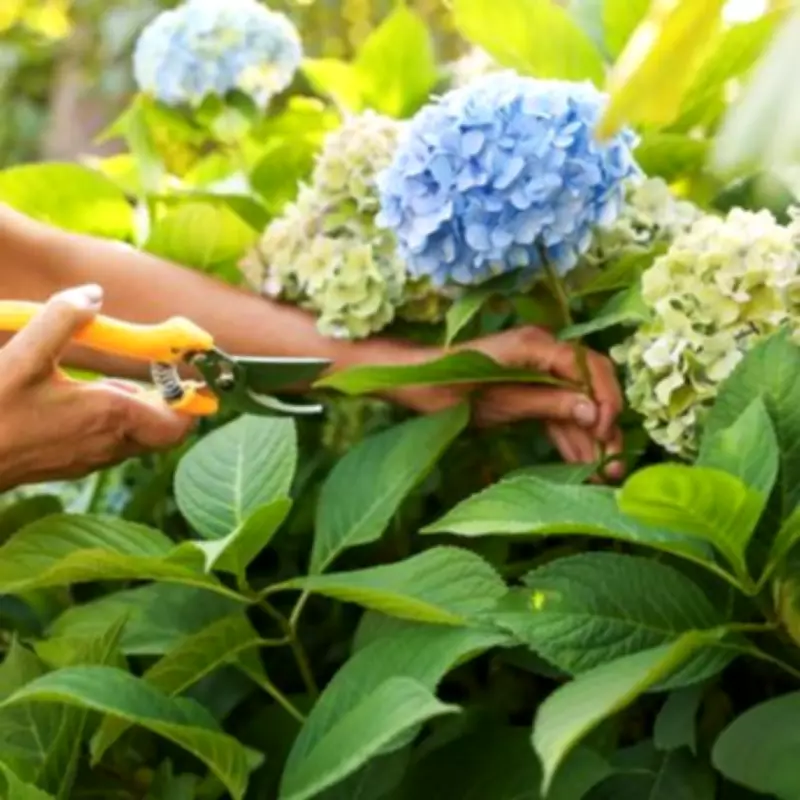
Pruning remains an essential gardening task performed throughout the year to maintain the health and appearance of plants, shrubs, and flowers. This practice not only enhances flowering but also helps control growth effectively. For hydrangeas, however, pruning is often overlooked, despite its significant benefits.
Optimal Timing for Hydrangea Pruning
Different hydrangea varieties require pruning at specific times of the year. April presents a prime opportunity for pruning mophead and lacecap types. In contrast, climbing hydrangeas should be pruned after their summer flowering period, so gardeners should avoid cutting them at this time if they have these varieties.
RHS Recommendations for Flowering Success
The Royal Horticultural Society (RHS) provides clear guidance: "Hydrangea flowers form mid-to-late summer on the previous year's growth. Mophead and lacecap hydrangeas will bloom satisfactorily with little attention, but annual pruning encourages new, vigorous growth and a better flowering display."

Gardeners can identify their hydrangea types easily. Mophead varieties feature full, rounded heads with large petals, while lacecaps have small central flowers encircled by an outer ring of larger petals.
Step-by-Step Pruning Techniques
For mophead hydrangeas, begin by removing spent flowerheads. Then, trim back the stems to the first robust, healthy pair of buds located just beneath the faded bloom.
The RHS advises that lacecaps are hardier. After flowering, cut back the faded flowerheads to the second pair of leaves below the head. This prevents seed development, which can drain the plant's energy.
Managing Mature and Overgrown Plants
For mature hydrangeas, it is beneficial to remove one or two of the oldest stems at the base to stimulate fresh growth. The gardening specialists note that overgrown or poorly shaped plants can be completely renovated by cutting off all stems at the base.
However, this drastic approach will eliminate all flowers for that summer, as new stems will not bloom until the following year.
Special Considerations for Climbing Hydrangeas
When dealing with climbing hydrangeas, it is crucial to trim back any excessively long shoots immediately after flowering concludes. Since most blooms appear in the upper section of the plant, aim to leave this area as undisturbed as possible.
Established plants can tolerate hard pruning in spring, but extensive cutting back in one session is likely to reduce flowering for the next couple of summers. To avoid significant flower loss, stagger drastic pruning over three or four years, gradually reducing the plant's size.
By following these expert tips, gardeners can ensure their hydrangeas thrive, producing a more vibrant and abundant display of flowers throughout the summer season.