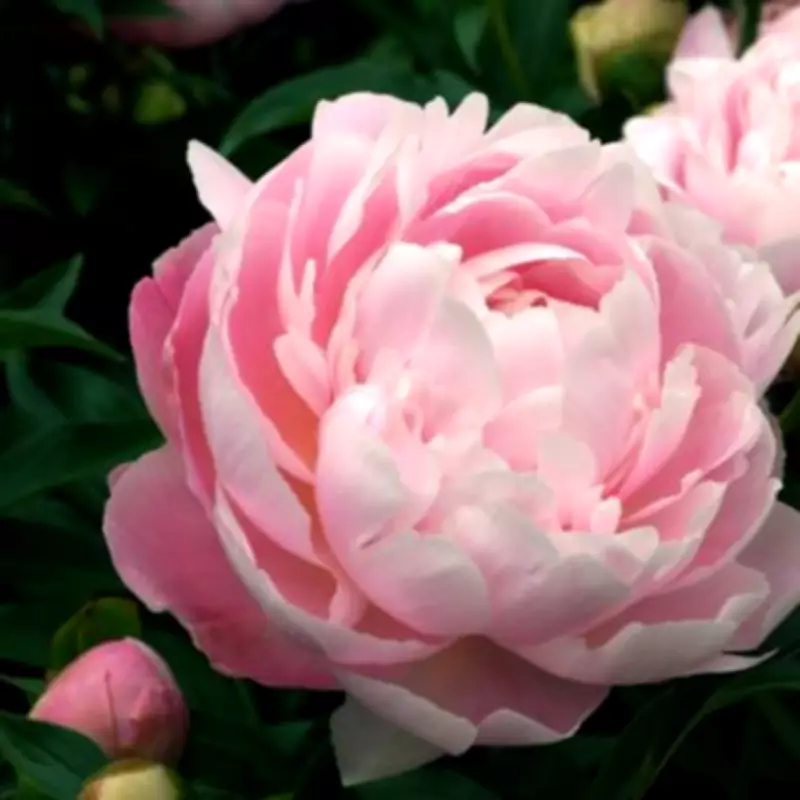
Alan Titchmarsh Exposes Simple Peony Errors Gardeners Must Avoid
Renowned horticulturist Alan Titchmarsh has unveiled essential guidance for cultivating peonies, highlighting two fundamental mistakes that can hinder their growth. In his publication My Secret Garden, Titchmarsh emphasises that these magnificent flowers thrive with minimal intervention, making them ideal for less active gardeners.
The Fleeting Beauty of Peony Blooms
Peonies offer a spectacular yet brief flowering season each spring, with their lavish, fragrant blossoms appearing in what Titchmarsh describes as a 'blink-and-you-miss-it' moment. Despite their transient display, these hardy perennial bushes can endure for decades, adapting well to the United Kingdom's variable weather conditions.
Titchmarsh poetically notes: "For me, they are prized treasures, not to be spurned, but to be anticipated eagerly, as although they may bloom only fleetingly, they are all the more appreciated." He further compares them to "firework plants" that enhance life's richness.

Critical Planting Depth for Peonies
The first major requirement for successful peony cultivation involves planting depth. Titchmarsh cautions that burying pot-grown peonies too deeply in soil will prevent flowering for many years. He explains that the yam-like roots, resembling large sweet potatoes, should sit only slightly below the soil's surface to ensure proper growth and bloom production.
Why You Should Not Split Peony Plants
Contrary to many herbaceous perennials, peonies do not require regular division every three to four years. Titchmarsh advises gardeners to adopt a hands-off approach, stating that peonies favour lazy gardeners who allow clumps to remain undisturbed. Over time, this patience rewards with larger, more abundant flowers as the plants naturally expand and flourish.
Additional Care Tips for Optimal Growth
Peonies thrive in locations with full sunlight and well-drained soil, demanding little maintenance beyond basic conditions. As winter concludes in March, Titchmarsh recommends applying rose fertiliser and a mulch of well-rotted manure or garden compost to stimulate blooming. By April, when distinctive red and maroon shoots emerge, gardeners can eagerly anticipate the flower count.
This straightforward methodology ensures peonies continue to multiply and enhance gardens year after year, proving that sometimes, less effort yields greater botanical rewards.