As the final weeks of winter give way to the promise of spring, February presents British gardeners with a vital opportunity to prepare their outdoor spaces. This month is a crucial window for both indoor and outdoor tasks that lay the groundwork for a flourishing and productive season ahead.
Seeding and Planting for Future Growth
February is the perfect time to kickstart new growth. Begin by sowing seeds indoors for a head start. Suitable vegetables include lettuces, tomatoes, peppers, chillies, salad crops, kale, peas, and leeks. For a colourful summer display, start flowers like cosmos, salvias, and sweet peas under cover.
In milder areas where the soil is workable and not frozen, you can sow broad beans, cabbages, carrots, and parsnips directly outdoors, using cloches for protection. Otherwise, it's best to wait until March.

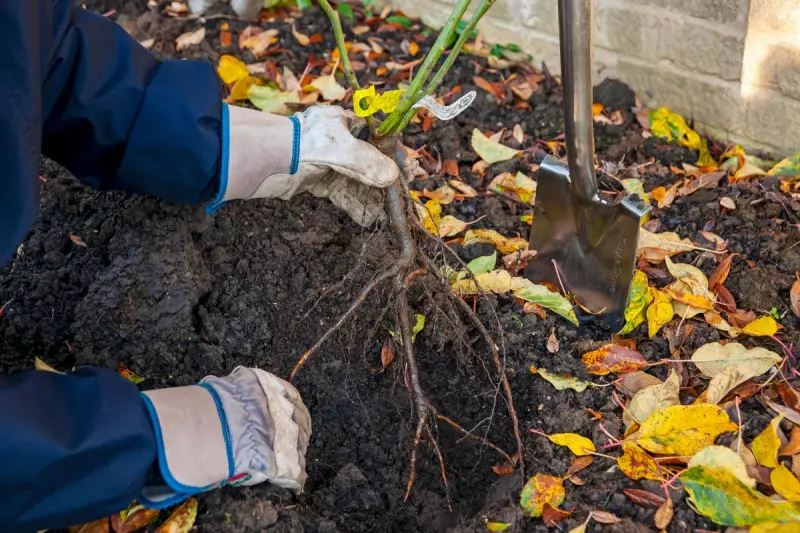
Take advantage of cost-effective bare-root plants this month. Provided the ground is not frozen or waterlogged, you can plant bare-root roses, fruit bushes, and shrubs. This is also an ideal time to plant raspberry canes and bare-root strawberries, allowing their roots to establish well before summer.
Pruning, Protection and Preparation
Strategic pruning is a key task for February. Winter-flowering shrubs, such as winter jasmine, should be cut back after they have finished flowering. You can also prune roses, Group Two and Three clematis, wisteria, and summer-flowering shrubs like buddleia and Hydrangea paniculata, which bloom on new wood.
Tidy up fruit bushes like blackcurrants and gooseberries to improve their structure, and cut back deciduous hedges before birds begin nesting in March. However, delay pruning spring-flowering shrubs like forsythia until after they have bloomed.
Don't forget to check all plant protection as February can still bring harsh frosts. Secure horticultural fleece and netting to shield vulnerable container plants or wall-trained varieties. Preparing your tools is also essential; clean and oil them, scrub pots ready for sowing, and service your lawnmower before the busy spring season.
Indoor Tasks and Soil Care
Give your houseplants a boost by moving them closer to windows for more light, but avoid draughts. Be careful not to overwater; check the soil moisture with your finger before reaching for the watering can. Regularly dusting leaves will help with photosynthesis.
To get a jump on summer colour, start summer-flowering bulbs indoors. Initiate lily bulbs in a cool room or greenhouse, and pot up overwintered dahlia tubers in a bright spot. You can also give gladioli corms a head start by planting them in seed trays in a light, warm location.
Warming the soil is a clever trick for better planting results later. Use cardboard, old sheets, bubble wrap, or cloches to protect the ground from the elements. Adding a mulch of organic matter, like compost, around trees, shrubs, and fruit bushes will nourish the soil and protect roots.
Finally, revitalise winter-weary container displays by deadheading flowers like violas and pansies, and clearing fallen leaves to remove hiding spots for slugs and snails. By diligently tackling these ten essential jobs now, you can ensure your garden is perfectly poised to burst into life with the arrival of spring.