Top 10 Fruit and Vegetables to Plant Now for an Easy, Bountiful Harvest
If you dream of fresh, homegrown produce but feel overwhelmed by gardening, this guide is for you. At this time of year, colourful seed catalogues can tempt gardeners with exotic options, but a little restraint pays off. By focusing on reliability, yield, and flavour over novelty, you can enjoy a simpler and more productive growing season.
The following fruit and vegetables are selected for their hassle-free nature. They might not be the flashiest crops, but they are tried-and-tested for success, offering great taste and minimal effort. Their resilience to common problems makes them easier to grow, and they are straightforward to harvest and prepare, leaving you more time to savour the results.
Vine Tomatoes
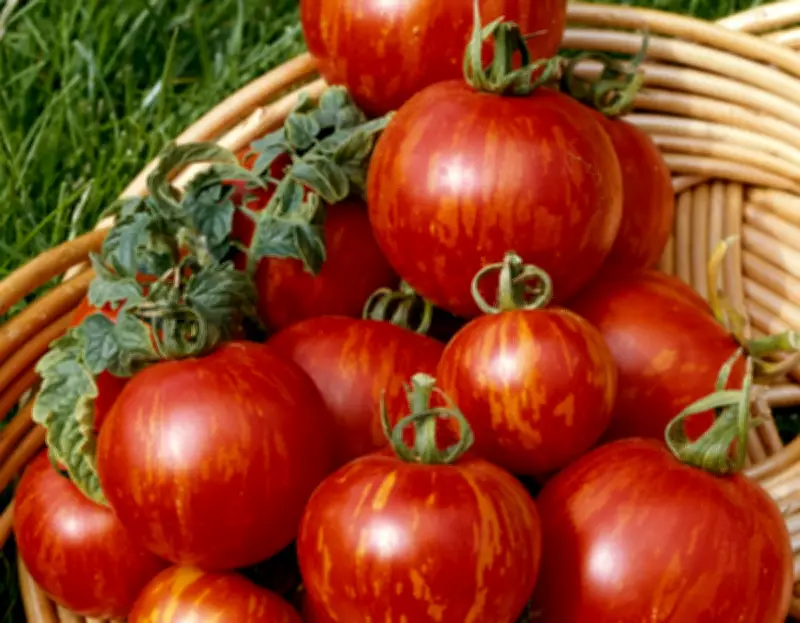
Vine tomatoes require some attention, but the reward is worth it. You need to remove side shoots and support the plants with canes or twine, as they can grow up to 2 metres tall. Weekly watering and feeding with organic tomato fertiliser are essential. In return, these plants produce abundant tomatoes from summer into autumn, using minimal space. Recommended varieties include cherry tomatoes like 'Golden Crown' and 'Apero', salad tomato 'Tigerella', and beefsteak 'Brandy Boy'.

Sow seeds in 9cm pots on a sunny windowsill in spring, lightly covering them with compost. Plant them outdoors only after all frost has passed.
Mangetout
Mangetout are as easy to grow as peas, with the added benefit of no podding—they are eaten whole. Harvest them before the seeds swell to avoid pea moth caterpillars. The 'Snow Wind' variety is particularly prolific and stringless.
Sow seeds 3cm deep in 9cm pots on a windowsill or in an unheated polytunnel or greenhouse in spring. Alternatively, plant directly into the ground as it warms up. Space plants 10cm apart in rows 60cm apart, using pea sticks or a bamboo wigwam with twine for support.
Courgettes
Courgettes are famously productive in summer, often yielding more than expected. Classic 'Defender' and yellow 'Jemmer' are excellent choices, while 'Romanesco Latino' is denser and less watery, ideal for grating or ribboning.
Sow seeds 2cm deep in 9cm pots of peat-free compost from May, in a greenhouse, polytunnel, or on a windowsill. Plant out when they have two or three adult leaves, giving each plant 50cm of space. 'Patio Star' is compact enough for a 40cm pot.
Chard
Chard, a sub-species of beetroot grown for its leaves and stems, is nutritious and easy to cultivate. Sown in spring, it often produces leaves into winter. While colourful varieties like 'Pink Flamingo' and 'Rhubarb Chard' are attractive, 'Fordhook Giant' wins for flavour and texture, with succulent white stems and large leaves.
Sow seeds 2cm deep in 9cm pots or directly in the ground, spacing them 30cm apart. Water the trench before sowing to prevent seeds from washing away.
Rhubarb
Rhubarb is a low-maintenance perennial that requires minimal care once established. 'Timperley Early' is a classic, but varieties like 'Canada Red' and 'Raspberry Red' retain their red colour and sweetness throughout summer.
Purchase rhubarb crowns in winter or early spring, or potted plants during the growing season. Plant in sun to part-shade with 50cm of space, adding peat-free compost, or use a large pot over 50cm.
Autumn Raspberries
Sweet raspberries are easy to grow, especially autumn-fruiting varieties that crop from late summer. These are simpler to manage than summer types—just cut down all stems in winter and let them regrow. They don't need support. 'Polka' and 'Joan J' are vigorous options.
Buy bare-root canes in winter or potted plants in spring and summer. Plant 45cm apart in rows 1.8 metres apart.
Winter Squash
Winter squash is a gardener's secret weapon, producing nutritious fruit that stores well through winter. Varieties like 'Sweet Dumpling', 'Crown Prince', and 'Kabocha Sun Spot' trail on the ground without support.
Sow seeds 3cm deep in 1-litre pots in a polytunnel, greenhouse, or on a windowsill from late May. Plant outside in a sunny spot with a bucket-size hole filled with compost and soil, spacing plants 1 metre apart.

Kale
Kale edges out purple sprouting broccoli for minimal hassle. Sown in spring, this hardy green crops through winter. 'Red Russian' has flat leaves less prone to whitefly and is easier to wash than curly varieties. It's delicious and can self-seed if left to flower.
Sow seeds 1cm deep in pots or directly in the ground. Space plants 50cm apart in rows 60-70cm apart.
Beetroot
Beetroot is incredibly easy to grow, largely because wildlife tends to leave it alone. Unlike potatoes or carrots, it avoids pests like slugs and carrot fly, growing undisturbed until harvest.
Sow seeds directly in full sun by making a 2cm deep trench, watering it first, then sprinkling seeds every few centimetres and covering with soil. Thin out weaker plants to one every 10cm.
French Beans
French beans require little preparation, making them a convenient pick-and-cook crop. Climbing varieties like 'Cobra' yield heavily in small spaces, while bush types like 'Boston' and 'Dior' need no support.
Sow seeds 2-3cm deep in 9cm pots from late May. Plant out at 15cm intervals in rows 60cm apart after frost risk passes. Dwarf varieties can grow in large pots, with three plants fitting in a 40cm pot.