
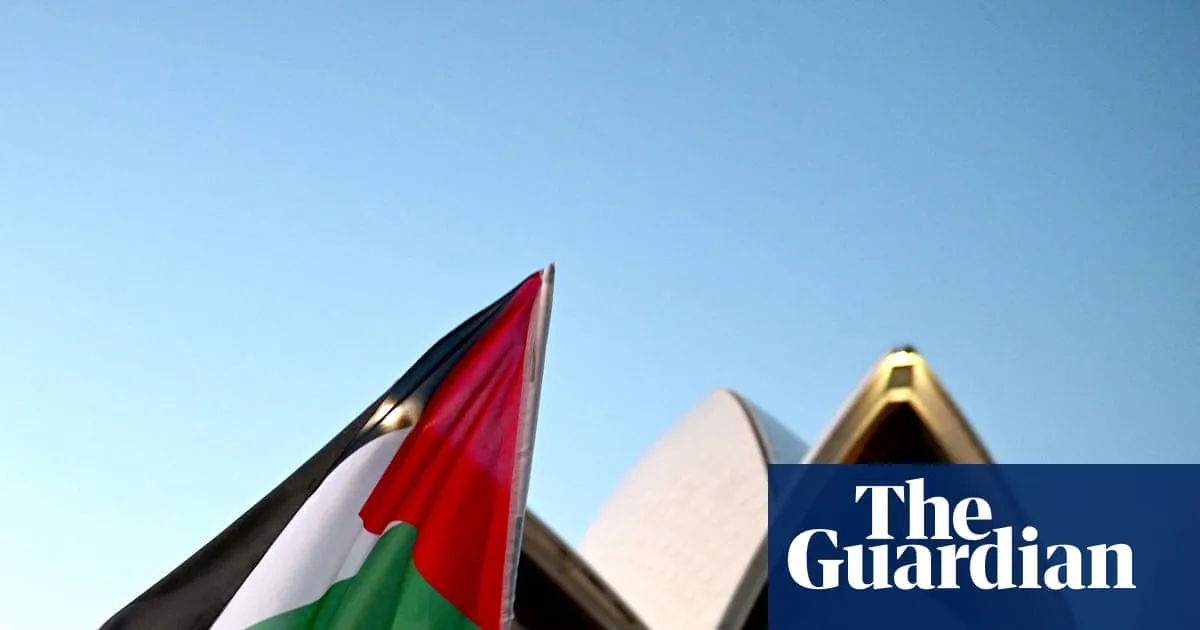
New South Wales' top court has banned a pro-Palestine march to the Sydney Opera House scheduled for this weekend, ruling that anyone attending could be held in contempt of court. The Court of Appeal sided with police on Thursday, citing 'extreme' safety concerns.
The ruling marks a landmark interpretation of the state's protest laws. Under a system introduced in 1979, organisers can apply to police using a 'form 1' notice. If police object, the Supreme Court decides whether the protest is 'authorised' or 'prohibited'. Previously, a prohibition was understood to merely remove immunity from traffic offences, but the court now says breaching such an order can lead to contempt proceedings.
Justice Andrew Bell, along with Justices Ian Harrison and Stephen Free, wrote that it would be 'highly incongruous' if a prohibition order did not carry legal consequences. The penalty for contempt is at the court's discretion with no maximum, and attendees could also face up to six months in jail under the Crimes Act for joining an unlawful assembly.
Nick Hanna, lawyer for the Palestine Action Group, said the ruling would have 'wide-ranging impacts on the right to protest across Australia'. He warned it could deter future protests regardless of the cause. Sue Higginson of the Greens criticised the 'draconian approach' to fundamental protest rights.
In response, the Palestine Action Group and Jews Against Occupation changed Sunday's route, marching from Hyde Park along George Street to Belmore Park instead. They also called on Premier Chris Minns to light the Opera House sails with the Palestinian flag, a move that sparked controversy two years ago after Hamas's attack on Israel.




