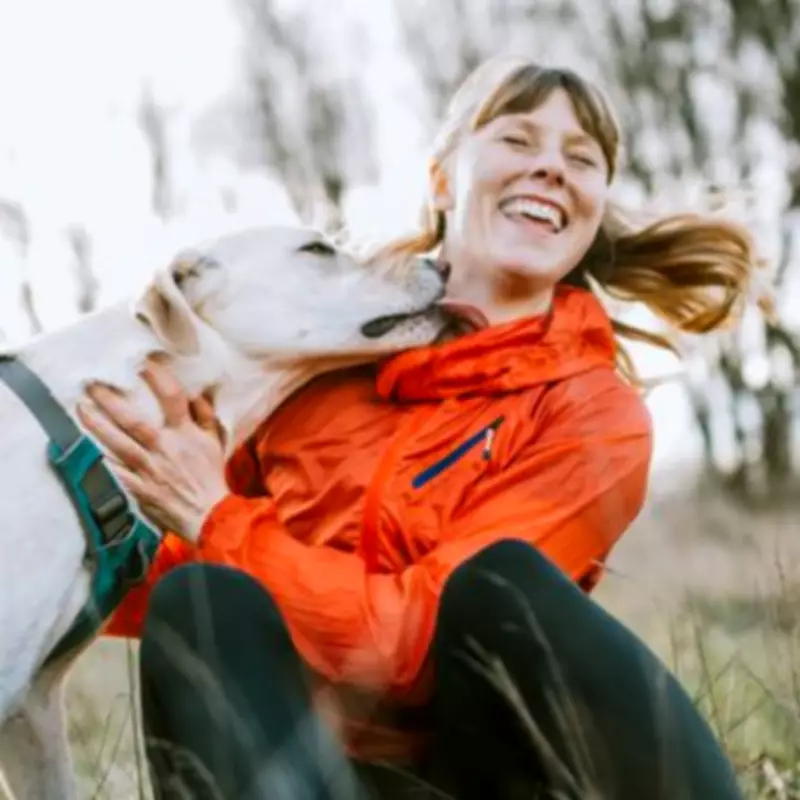
A professional dog trainer has unveiled his remarkably simple yet highly effective method to ensure your canine companion always comes when called, transforming what can be a frustrating challenge into a rewarding achievement for both pet and owner.
The Foundation of Flawless Recall
Dog training specialist Sam Hoke, who demonstrates his techniques with his impeccably trained Labrador Mo, understands that reliable recall stands as one of the most crucial commands any dog owner can teach. A dog that consistently returns when summoned avoids numerous potential dangers and accidents, making this skill essential for safety and peace of mind.
"Have you ever called your dog and they completely ignored you or ran away? There's a cure for that," Sam declared in a recent instructional TikTok video that has captured widespread attention from dog owners seeking solutions.

Step One: Stop Calling Without Offering Value
Sam's primary revelation centers on a fundamental shift in approach. "Step one - stop calling your dog when you have nothing to offer," he explained emphatically. This principle transforms each recall into an opportunity your dog finds genuinely irresistible rather than an obligation they might choose to ignore.
"Think about it like this," Sam elaborated. "If your friends text you every day and nine times out of ten it's to complain, how long until you stop responding? The same applies to your canine companion. When you call them, it should absolutely be worth their while."
Building Positive Associations Through Strategic Rewards
Sam's methodology focuses on creating powerful positive associations with the recall command. Rather than calling Mo purely for compliance or to end enjoyable activities, Sam deliberately calls his dog specifically to shower him with rewards, affection, or engaging playtime immediately upon successful response.
"This systematically builds a positive association with coming when called," Sam emphasized. "I'm intentionally building up the habit in places that truly matter, like the park or other stimulating environments where distractions might otherwise prevail."
Mastering Recall Amid Distractions
However, Sam stresses that positive reinforcement alone doesn't always guarantee dependable recall in challenging situations. To ensure Mo responds reliably even when highly distracted, Sam incorporates strategic practice sessions designed to trigger natural canine instincts.
"When Mo isn't paying attention, either my partner Lia or I call him over but watch how we don't move towards him," Sam demonstrated in his video. "We deliberately move backwards, which triggers his natural instinct to chase. And when he comes to us, boom, we immediately reward him with treats and enthusiastic praise."
Additionally, Sam revealed another clever technique: when Mo responds appropriately, they deliberately touch his collar before offering the reward. This subtle action reinforces that a collar grab doesn't necessarily signal the end of playtime, preventing the development of avoidance behaviors during recall situations.
RSPCA's Complementary Recall Training Guidelines
The Royal Society for the Prevention of Cruelty to Animals offers similar guidance that aligns remarkably well with Sam's professional approach. The animal welfare organization recommends beginning recall training by consistently providing something genuinely enjoyable whenever you call your dog over, whether that's a high-value treat or an entertaining game with a favorite toy.
Their step-by-step methodology suggests moving away a few steps before calling your dog's name and saying 'come' using a consistently cheerful and enthusiastic voice. When your dog approaches, gently grasp their collar and immediately deliver the promised reward or play session.
The RSPCA advises progressively extending the distance between you and your dog, eventually practicing recall from different rooms or garden areas. They recommend enlisting a partner or friend to hold your dog's collar while you walk further away to practice greater distances, always remembering to praise your dog enthusiastically each time they successfully respond.

Once your dog reliably responds indoors and in secure garden spaces, you can begin practicing in safe outdoor areas using lengthy training leads. These tools provide your dog with some liberty while preventing total free-range access during the crucial learning phase.
"Ultimately, you want to become the friend your dog genuinely wants to come to," Sam concluded. "Be the one who calls them over for treats, fun, and positive interactions - not the one who's always dragging them away from enjoyable activities or complaining. That fundamental shift in perspective makes all the difference in achieving perfect recall."