Shelter Dog Scheduled for Euthanasia Finds Forever Home After Volunteer's Viral TikTok
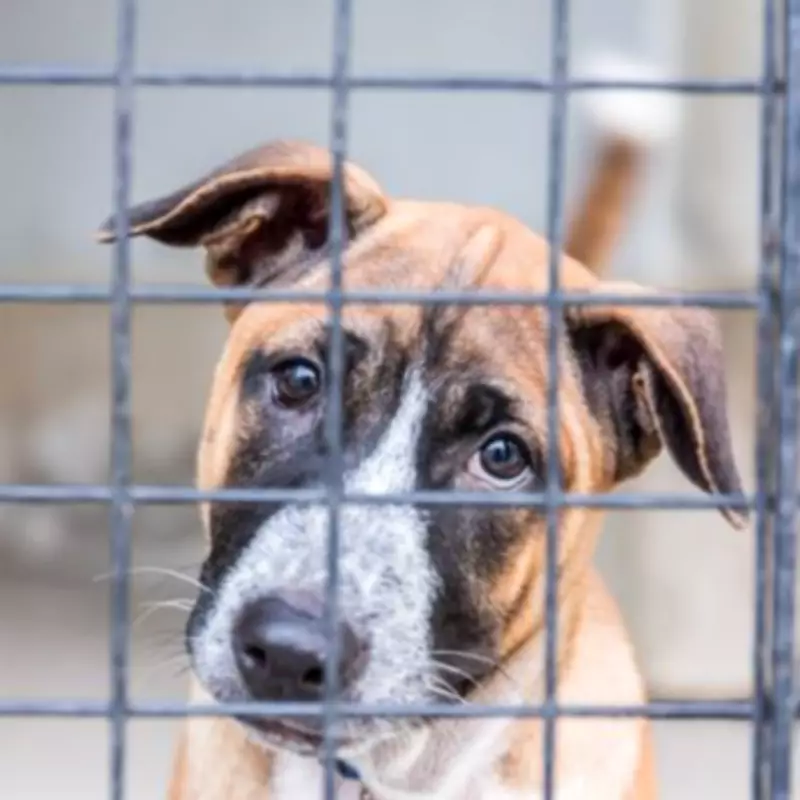
In a heartwarming turn of events, a shelter dog named Rain, who was facing euthanasia at an overcrowded Los Angeles rescue facility, has been adopted thanks to the compassionate efforts of a dedicated volunteer. Madison Giammona, a 28-year-old rescue volunteer, initially took Rain home for what she thought would be a final day of love and comfort before the dog's scheduled euthanasia on Friday.
Volunteer's Social Media Campaign Sparks Life-Saving Response
Madison Giammona, who regularly volunteers at a rescue shelter, focuses on spending time with dogs nearing the end of their lives, whether due to natural causes or euthanasia. The Los Angeles shelter where she works is severely overcrowded, and despite the team's relentless efforts to rehome animals, some, like Rain, end up spending their final days in its care. Madison shared a TikTok video detailing Rain's dire situation, with a caption that read: "POV: You give a shelter dog a sleepover and then you have to bring her back knowing she's set to die on Friday. Rain is scheduled to be euthanised on Friday. She deserves a chance."
Although Madison is only able to rescue dogs for short stays—having already adopted numerous dogs and unable to care for more permanently—she uses her social media platforms to "spread the word" about animals in need. Her goal is to find them loving homes, and in Rain's case, the strategy proved successful. When questioned online about why she would return Rain to the shelter, Madison explained: "I can’t have 100 dogs. They euthanise over 20 dogs a week, and I’m trying to at least give them a chance."

Rain's Adoption and Ongoing Advocacy Efforts
Thankfully, Rain was adopted as a direct result of the viral TikTok video, but Madison's work continues unabated. She remains committed to raising awareness about kill shelters and the plight of unadopted animals. In an update, Madison shared: "Rain update! My girl was adopted. Also, for everyone telling me to keep her and how mean I am for taking her back, I would recommend going to your local animal shelter and fostering a dog. Giving them back is truly heartbreaking, especially after building bonds with them, knowing you can’t save them all."
The online community responded with overwhelming support. One user commented: "Yay! Best news. Nothing makes me happier than these sweet pups being adopted. I’m just thinking, I’m a lawyer. How can I use my lawyer skills to get a bill passed during the next voting term? Just thinking out loud." Another added: "Congrats on Rain’s adoption. Thank you for helping all those animals in need." A third user urged: "Tell them, girl! Step up and help before you comment hateful stuff. If we adopt every dog we foster, that’s another dog dead."
Contrasting Approaches: UK vs. US Shelter Policies
This incident highlights a stark contrast in animal shelter policies between the United States and the United Kingdom. Unlike some shelters in the US, where euthanasia is often used due to overcrowding, the UK's RSPCA states that it only euthanises healthy animals when required by law. Instead, the organisation prioritises rehabilitation for both wild and domestic animals.
A statement from the RSPCA explains: "We're all animal lovers, and our main concern is always the individual animal's welfare. If an animal can be rehabilitated and live a happy life, performing natural behaviours, we'll work hard to find them a home or have them released back into the wild." However, the RSPCA acknowledges that in rare, tragic cases, animals may suffer severe psychological damage from trauma, leading to behavioural issues. In such instances, if rehabilitation fails and the animal poses a risk to public safety or cannot live without suffering, euthanasia may be considered the kindest option.
Madison Giammona's story serves as a powerful reminder of the impact that individual actions and social media can have in saving lives, while also prompting broader discussions about animal welfare policies and the ongoing challenges faced by rescue shelters worldwide.